


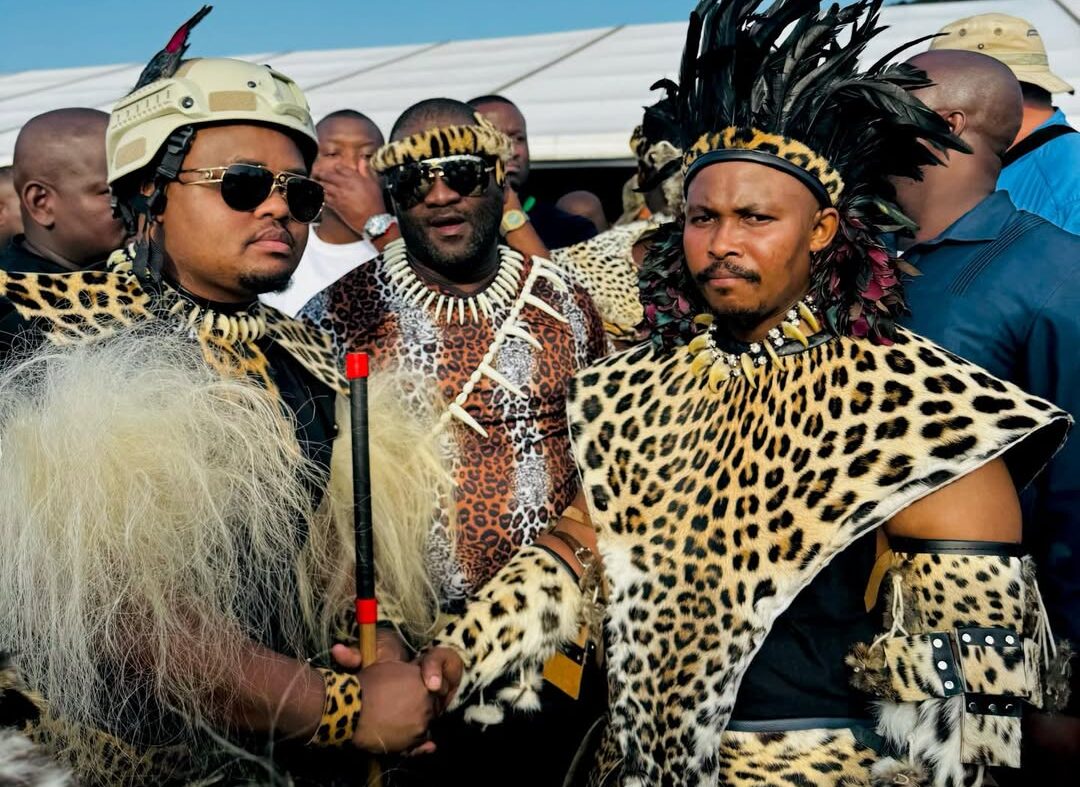

Maskandi has always been more than music. Rooted in Zulu heritage, it carries stories of identity, love, and township life. For decades, its twangy guitars and soulful lyrics have captured journeys of everyday people, from the long walks of migrant workers to the bustling streets of KwaZulu-Natal. Today, the genre is evolving. Its sound, style, and even language are shaped by modern influences and youth culture, showing how tradition adapts without losing its soul.
If you have ever watched a Maskandi performance, you might have noticed the umqhele, a decorative headband traditionally made from beads or fur. In the past, performers often paired these with animal skins and straw hats, creating a look rooted in ritual, symbolism, and cultural storytelling. Each piece told a story of the wearer’s lineage, role, or community.
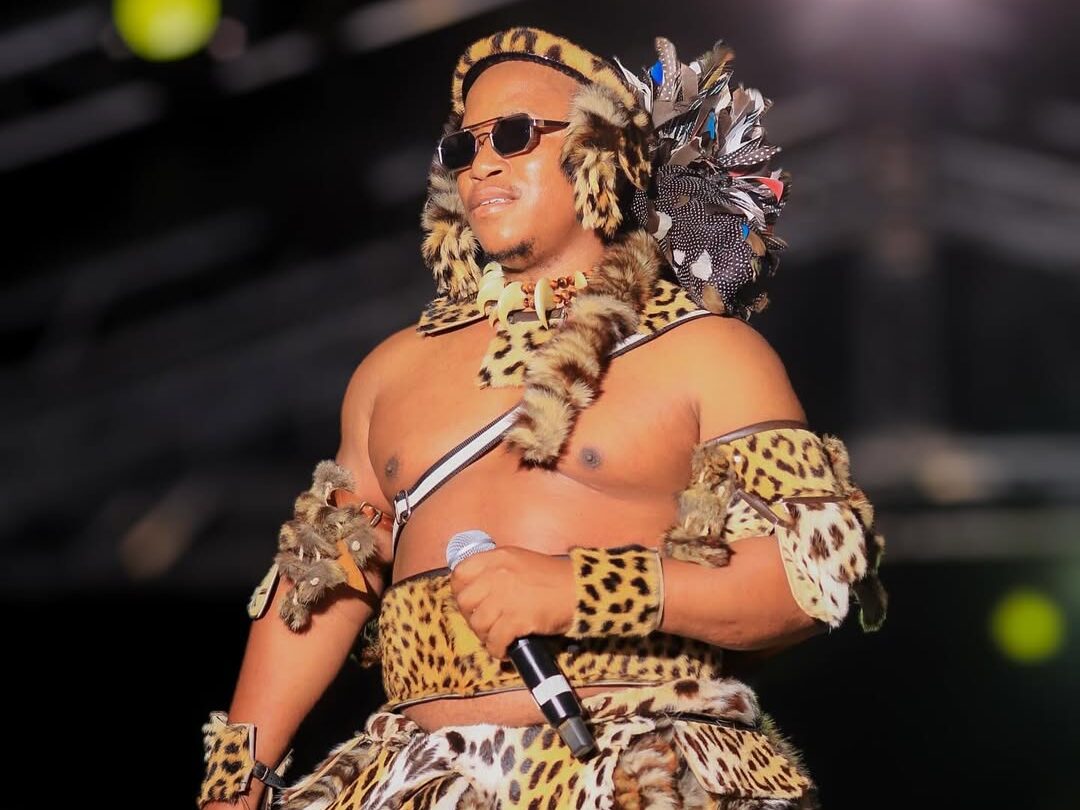
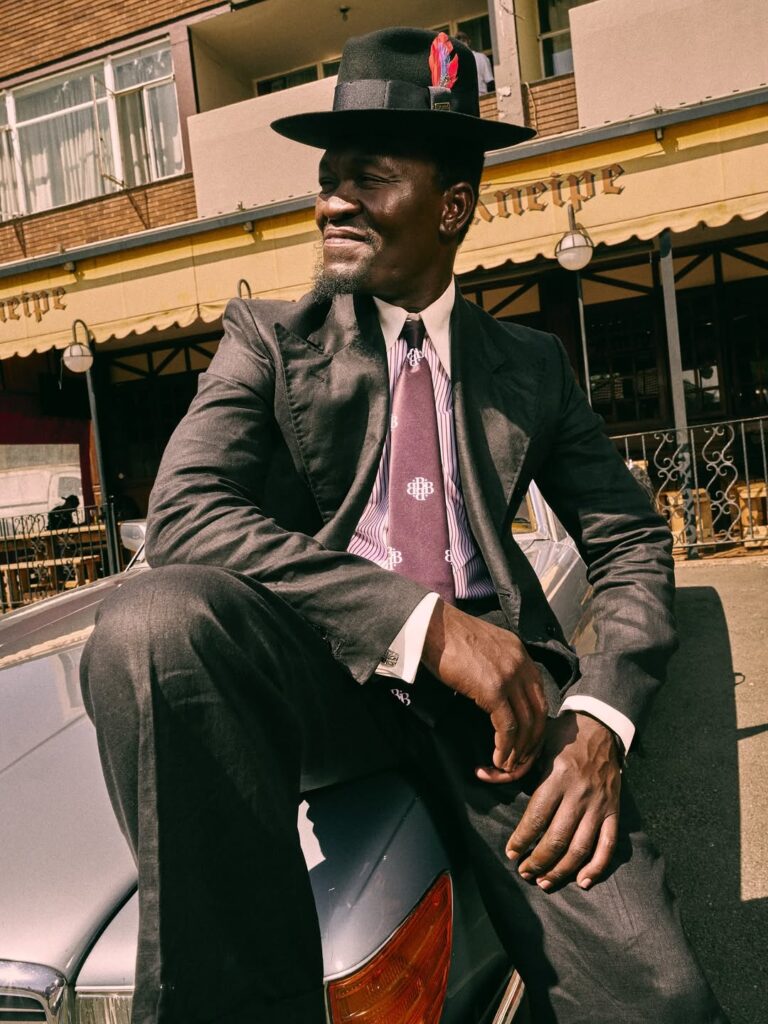
Now, stage looks have shifted. It is common to see artists in branded jackets, sneakers, and Swenka-inspired suits, combining township swagger with global fashion trends. Fashion from townships, global brands, and contemporary trends has become part of the Maskandi visual language. What was once strictly functional or symbolic has become playful, aspirational, and visually striking. Fashion no longer always follows tradition. Sometimes tradition follows fashion.
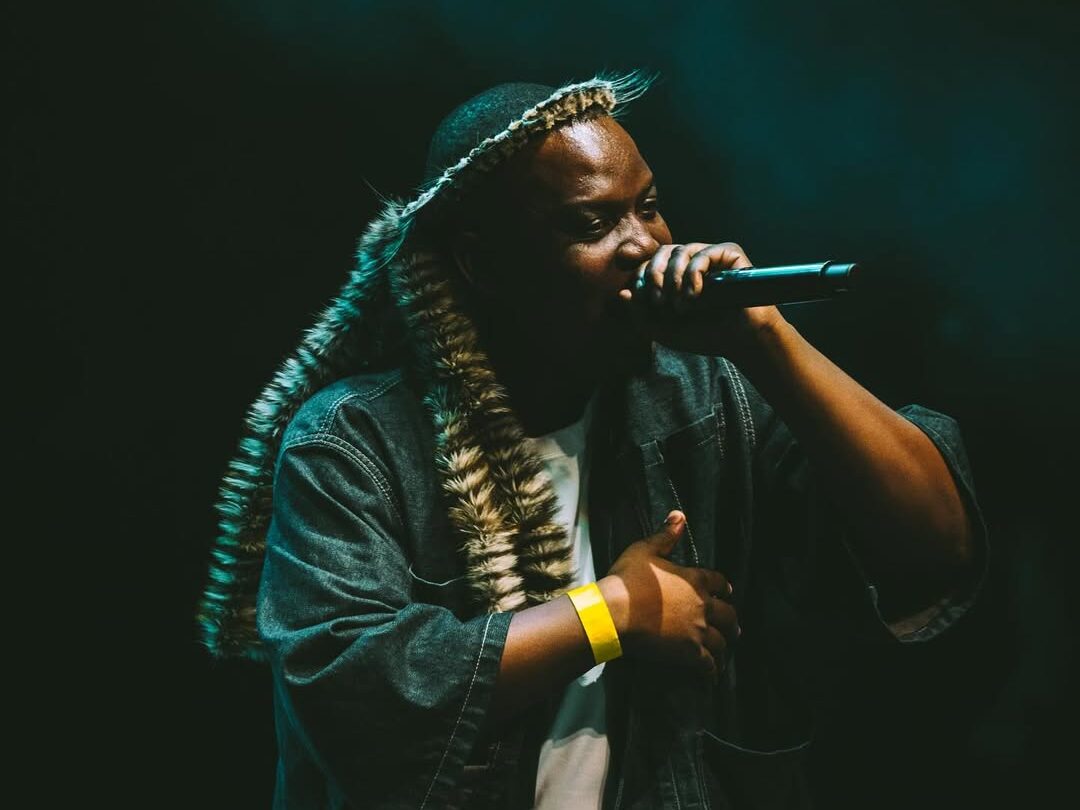
The music itself has evolved in similar ways. Maskandi songs that once relied heavily on traditional Zulu lyrics now weave in English words, slang, and pop culture references. This makes the songs relatable and fun for younger audiences. A perfect example is My Dululu by Mjolisi and Mnqobi. The word “Dululu” comes from the English word “delusional”. In the song, the artists refer to a lover and the idea of choosing to be “delusional” about them because of love. It captures the feeling of being irrationally devoted and accepting the risks that come with it. There is also a common saying in townships that to achieve anything in life, you have to be a little delusional. This mix of humor, language, and relatability shows how Maskandi adapts to youth culture while staying rooted in tradition.
Artists like Sjava embody this evolution. On stage, he might pair a traditional umqhele with a sharp designer jacket, sneakers, and layered accessories. The combination tells a story of respect for tradition, awareness of township style, and confidence in contemporary expression. Maskandi is no longer only about preserving the past. It has become a living canvas blending heritage with the influences of today.
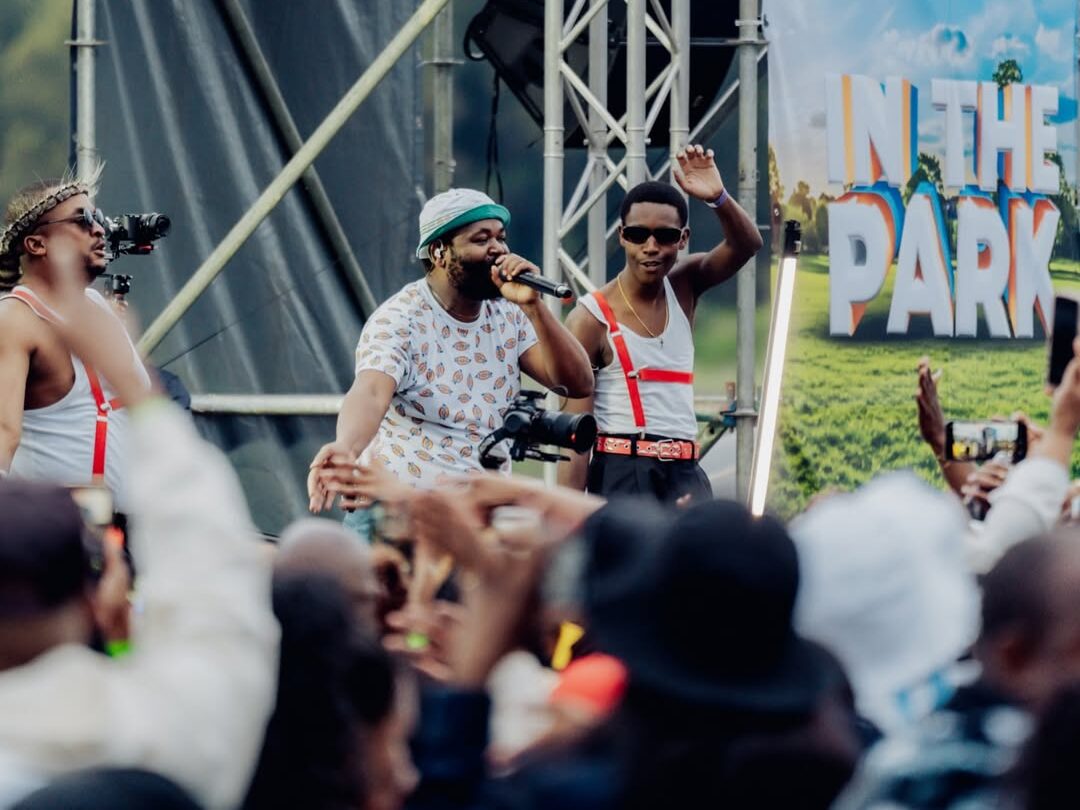
Even beyond South Africa, the interplay between tradition and modernity is visible. BOYDE’s Afrosartorialism collection, shown in Paris, draws from Swenka culture, where Johannesburg men treat fashion as ritual and storytelling. The aesthetics that influence Maskandi on stage, such as careful tailoring, bold prints, and township-inspired accessories, can now inspire global audiences.
Maskandi today is a genre in motion. It tells the stories of the past while embracing the language, fashion, and energy of the present. Traditional elements like the umqhele or animal skin appear alongside sneakers, branded jackets, and English slang. Songs mix Zulu and English effortlessly. What started as music from rural KwaZulu-Natal now reaches young audiences across townships and cities, influencing and being influenced in return.
This evolution shows one thing clearly. Culture is never static. Maskandi proves that traditions can adapt, absorb new rhythms, and still keep their roots alive. Fashion, slang, and township style are not replacing tradition. They are giving it new life, creating a story that is modern, vibrant, and unmistakably South African.