
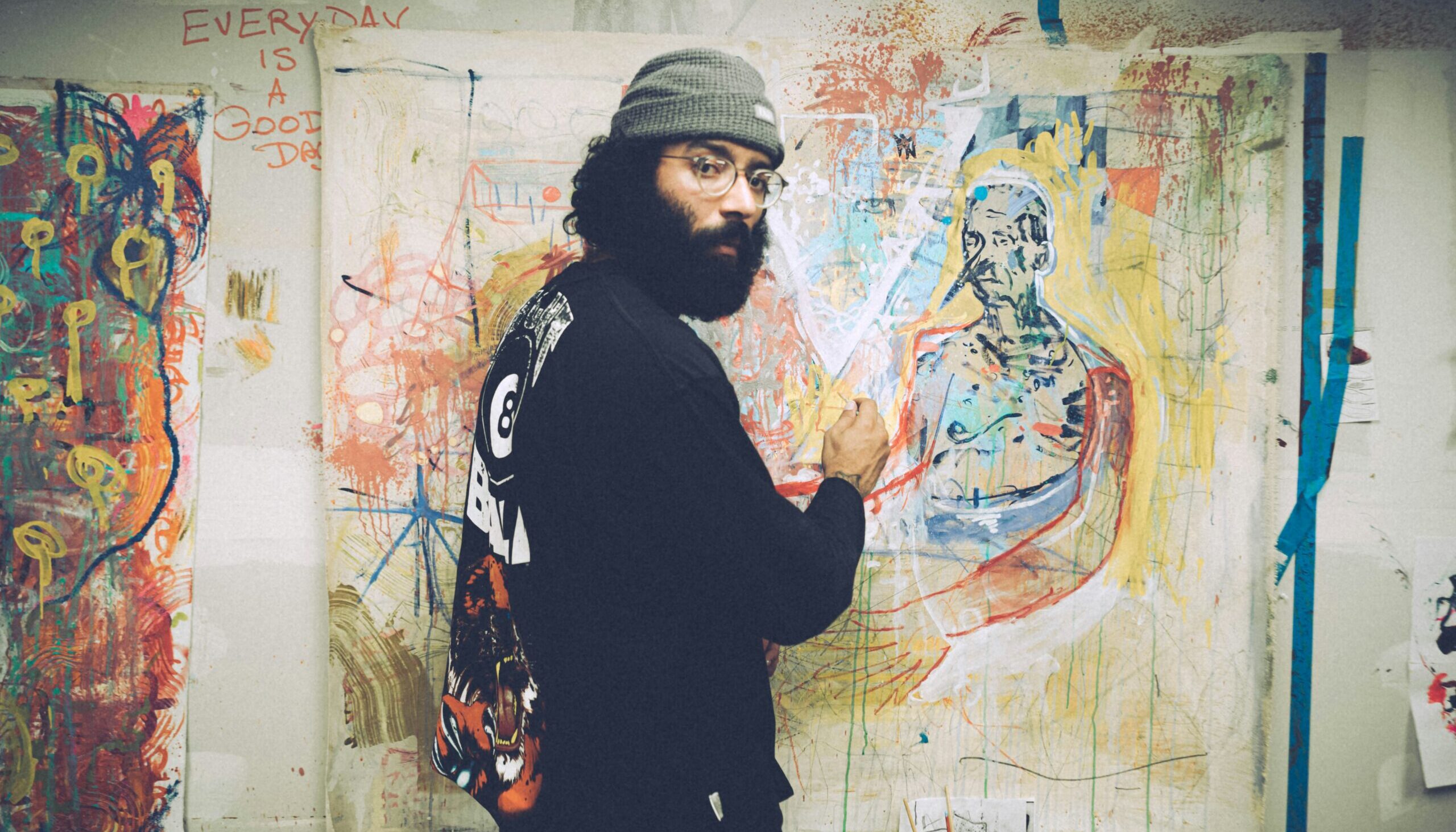

Creative burnout is a common challenge for SA creatives. Here’s how they are protecting their energy, focus and creative flow.
Across the creative scene, the conversation around mental health is getting louder. Young designers, writers, photographers and content creators are speaking openly about something many know too well: the constant pace of work and the pressure that often comes with it.
Creative burnout often shows up under different names. Writer’s block. Creative block. The feeling of being stuck. Ideas slow down. Motivation drops. The work starts to feel heavier than it should.
Psychology research describes burnout as a mix of emotional exhaustion, detachment from work, and a reduced sense of achievement. For creatives, it often comes from one thing. Too much output and not enough recovery.
In a culture that rewards constant posting, daily content and quick turnarounds, staying in a creative flow has become a skill in itself.
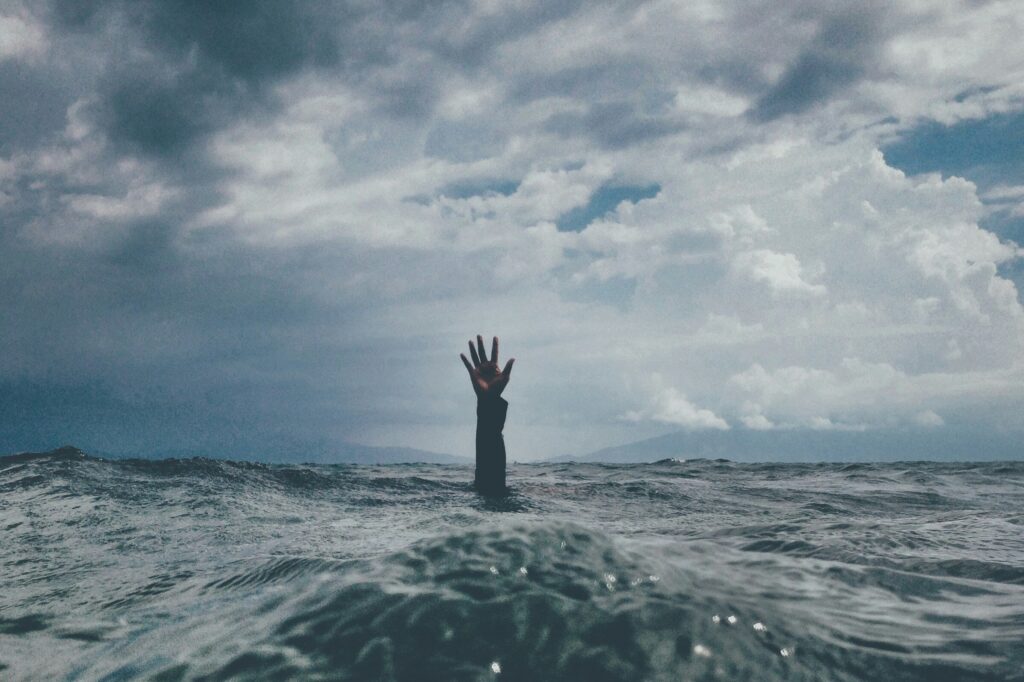
Pressure is part of the problem
Studies show burnout increases when there is high demand and low control. Many young creatives are freelancing, juggling multiple clients, or producing work for social media platforms that never pause.
Performance anxiety also plays a role. Research links creative block to perfectionism and fear of judgment. When the pressure to produce something good becomes too high, the brain shifts into a stress response. Flexible thinking drops and ideas slow down.
One way creatives are responding is by lowering the stakes. That can mean taking on less work, choosing simpler briefs, or changing how they deliver projects, allowing space for drafts, experimentation and process before worrying about a finished result.
It becomes less about perfection and more about keeping the work moving.

Protecting the flow
Psychologist Mihaly Csikszentmihalyi’s flow theory shows that deep focus happens when a task feels challenging but manageable. Clear goals and limited distractions help the brain stay engaged.
Many young creatives are building routines around this idea. They work in short, focused sessions and set small, achievable daily targets. That might mean developing one concept, finishing one sketch, or writing a single paragraph at a time.
Over time, it’s this kind of steady consistency, rather than bursts of intensity, that helps maintain focus and momentum and stave of high stress levels and burnout.
Input matters too
Creative work is often treated as output only. But research on creativity shows that new ideas come from exposure and experience. The brain connects what it has seen, heard and absorbed.
Without new input, creative thinking slows down.
That is why many creatives are stepping away from their screens. They visit exhibitions and markets, listen to new music and read outside their field. They make time to be offline, change their environment and step out of their usual work spaces for regular breaks.
Sometimes the best way to move forward is to stop producing for a moment.

Rest is part of the process
Neuroscience research shows that insight often happens during rest. When the mind relaxes, the brain’s default mode network becomes active. This supports daydreaming and idea connections. It explains why solutions appear during a walk, a commute, or a shower.
To counter burnout, creatives should treat rest as part of their workflow. Breaks between sessions. Clear boundaries around working hours. Sleep that is not sacrificed for deadlines. The goal is not to work less. It is to work sustainably.
The comparison trap
Social media has made creative work more visible than ever. It has also increased comparison.
Studies show that constant comparison increases anxiety and lowers creative confidence. When creatives measure themselves against others’ output, risk-taking drops. And risk-taking is essential for original work.
Some are responding by limiting time on platforms when it affects their mindset. Others are tracking their own progress instead of the algorithm’s pace.
Staying in the game
Creative burnout is not a lack of talent or discipline. It is often a sign that the system around the work needs adjusting.
Across South Africa, young creatives are learning that longevity depends on sustained energy rather than constant ambition. That means adjusting how work is structured, with smaller workloads, clearer boundaries, regular routines, and time built in for both input and recovery.
Writer’s block, creative block and burnout are often signals that something in the system needs to change. The aim is not to push harder, but to protect the conditions that allow ideas to form and keep work moving over time.
- Sources:
- Maslach, C., Schaufeli, W. B., & Leiter, M. P. (2001). Job burnout. Annual Review of Psychology, 52, 397–422.
- World Health Organization (2019). Burn-out an occupational phenomenon.
- Boice, R. (1993). Writing blocks and tacit knowledge. Journal of Higher Education.
- Kaufman, J. C., & Beghetto, R. A. (2009). Beyond big and little: The four C model of creativity. Review of General Psychology, 13(1), 1–12.
- Csikszentmihalyi, M. (1990). Flow: The psychology of optimal experience. Harper & Row.
- Nakamura, J., & Csikszentmihalyi, M. (2002). The concept of flow. In C. R. Snyder & S. J. Lopez (Eds.), Handbook of Positive Psychology. Oxford University Press.
- Arnsten, A. F. T. (2009). Stress signalling pathways that impair prefrontal cortex structure and function. Nature Reviews Neuroscience, 10(6), 410–422.
- Sio, U. N., & Ormerod, T. C. (2009). Does incubation enhance problem solving? A meta-analytic review. Psychological Bulletin, 135(1), 94–120.
- Raichle, M. E. et al. (2001). A default mode of brain function. Proceedings of the National Academy of Sciences, 98(2), 676–682.
- Vogel, E. A., Rose, J. P., Roberts, L. R., & Eckles, K. (2014). Social comparison, social media, and self-esteem. Psychology of Popular Media Culture, 3(4), 206–222.
- Lally, P., van Jaarsveld, C. H. M., Potts, H. W. W., & Wardle, J. (2010). How are habits formed? Modelling habit formation in the real world. European Journal of Social Psychology, 40(6), 998–1009.*