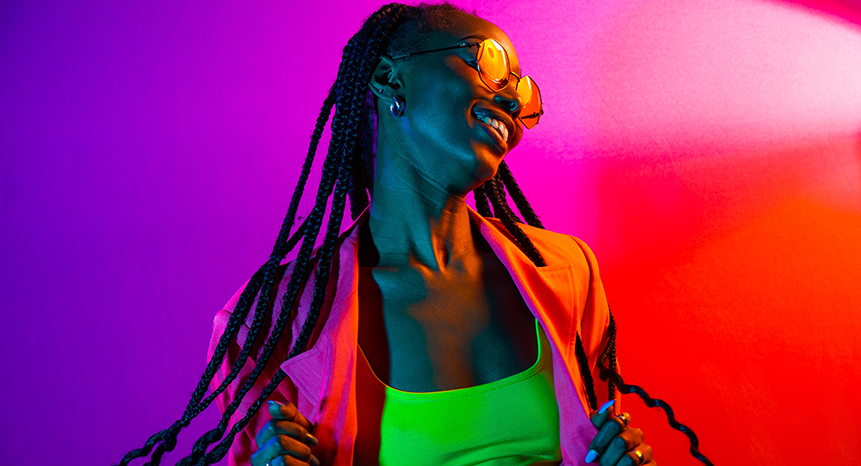


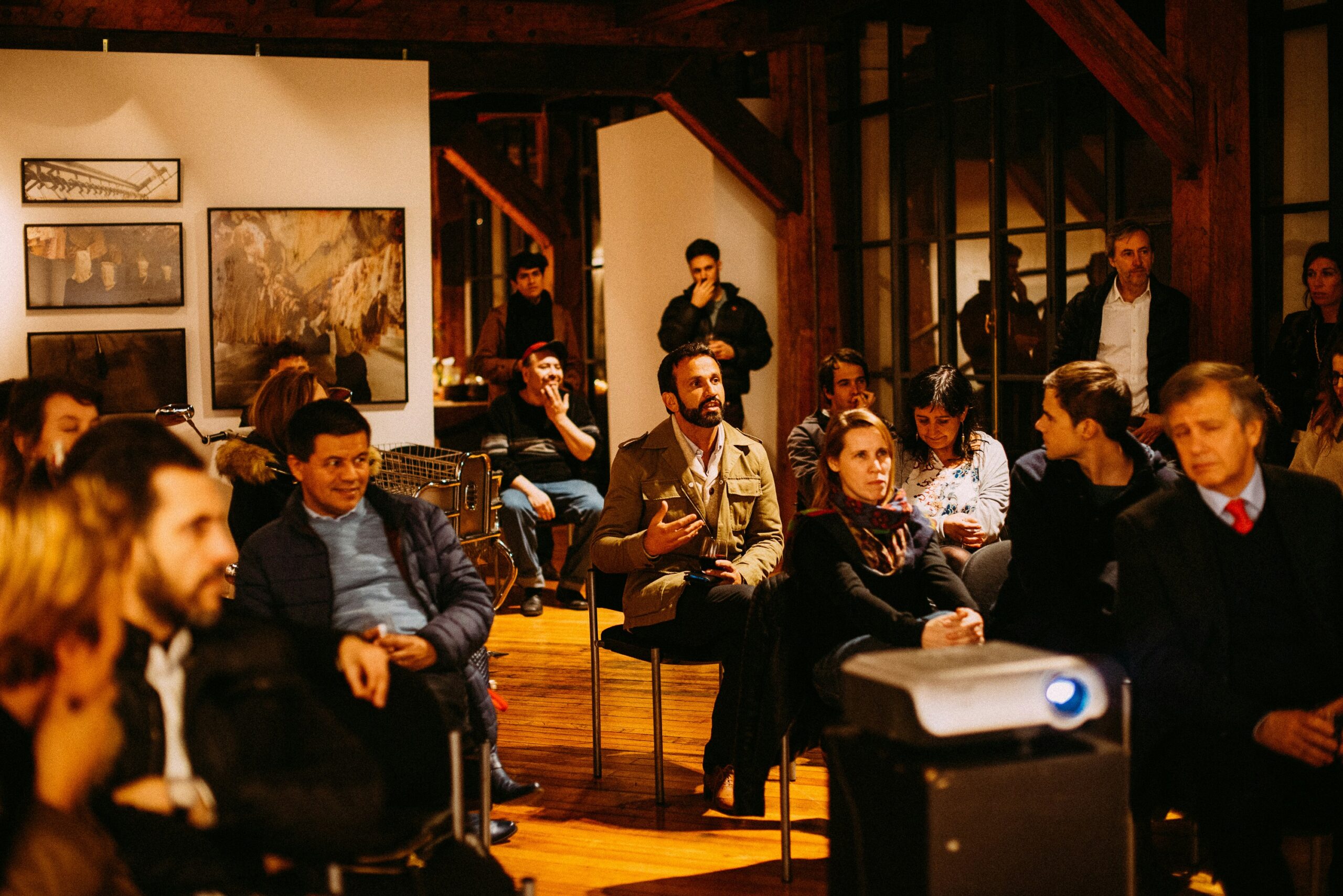

Anyone who has spent time in South Africa’s creative scene knows that the real energy of an event often begins before the work is even seen.
It happens in the first few minutes. People gather near the entrance of a gallery in Braamfontein or Bree. A DJ starts building the atmosphere at a fashion launch in downtown Johannesburg or Cape Town. Conversations quiet down as someone steps forward to introduce the work.
This is the opening.
In creative spaces, the opening is the moment when a body of work meets its audience for the first time. It marks the shift from preparation to presentation, from private creation to public experience. Whether it takes the form of a speech, a performance or simply the energy in a room settling into focus, the opening frames how the work will be encountered.
And in South Africa’s creative landscape, that moment often carries cultural meaning far beyond its short duration.
The Moment the Room Changes
Openings rarely last long, but they change the atmosphere of a space almost instantly.
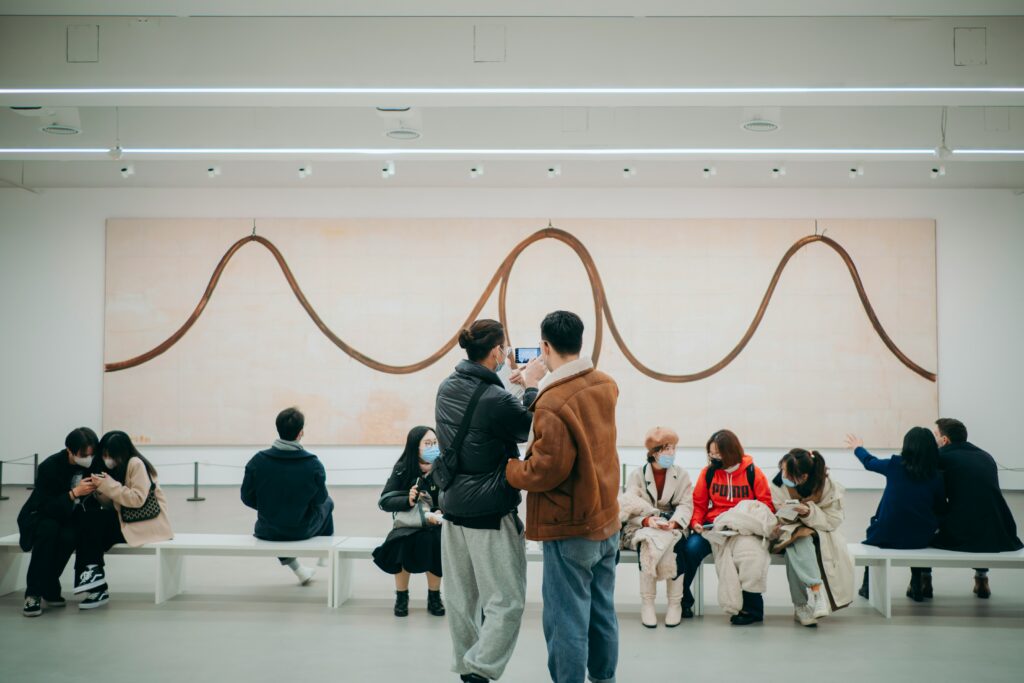
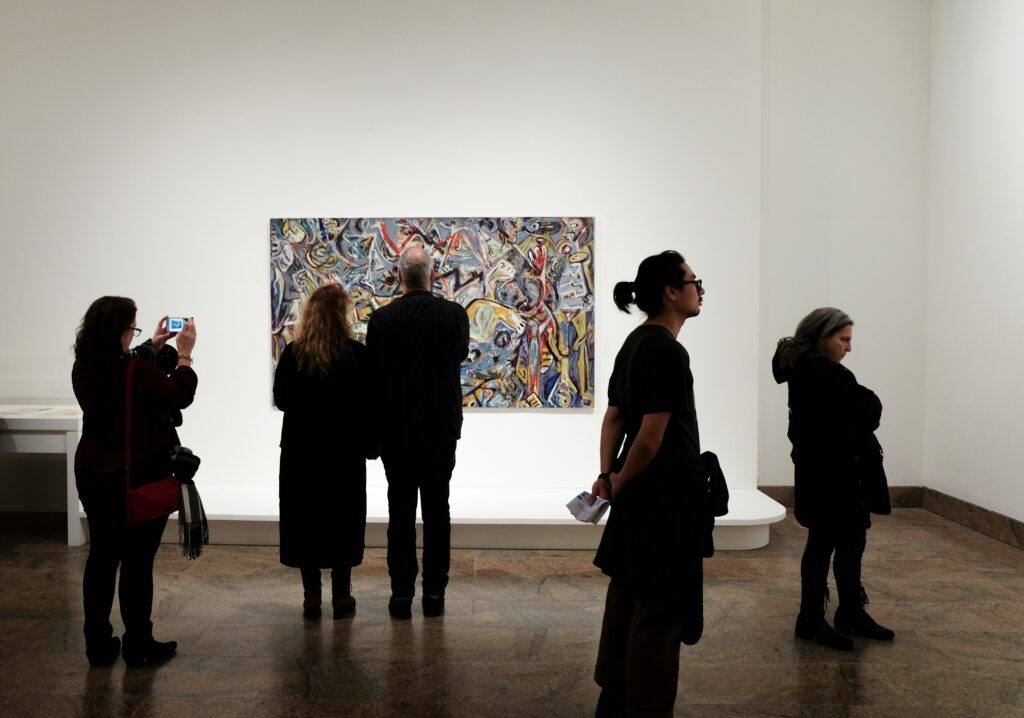
A room that moments ago was filled with scattered conversations suddenly becomes attentive. People move closer together. Phones come out, glasses pause mid conversation and attention turns toward whoever holds the floor.
It is a subtle shift, but an important one.
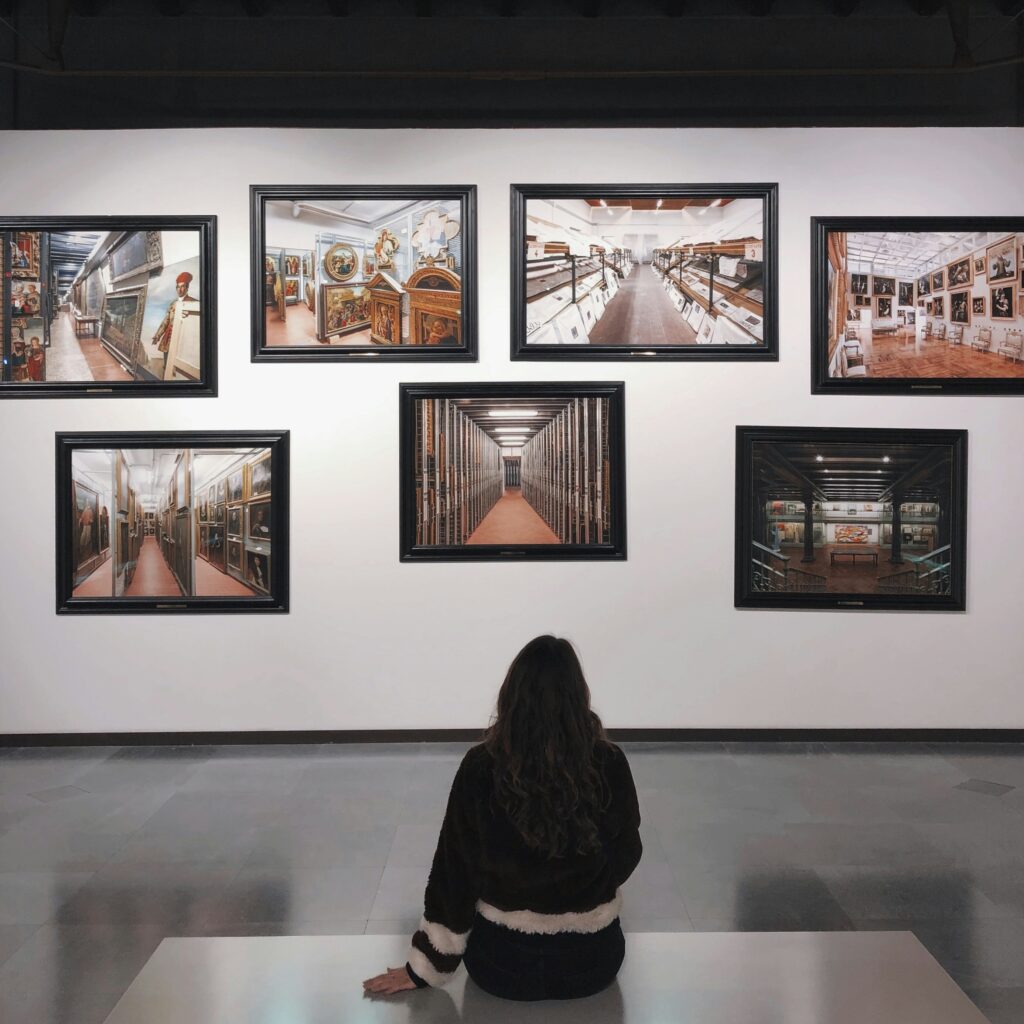
For artists, designers and cultural producers, the opening is the first opportunity to shape how their work will be received. A thoughtful introduction can guide audiences into the ideas behind an exhibition. A performance can establish the emotional tone of a fashion presentation. Even the absence of a formal welcome can signal something deliberate about the experience that follows.
Before the audience has seen a single artwork or garment, the opening has already begun telling the story.
When Culture Enters the Room
In South Africa, openings often reflect the cultural influences that shape the work itself.
A spoken word performance might introduce an exhibition. A praise poem may precede an artist’s talk. DJs, musicians and performers often play a role in setting the atmosphere of creative launches across cities like Johannesburg and Cape Town.
These gestures shift the opening away from the rigid structures that once defined many art world events. Instead of simply announcing the work, the opening becomes a space where culture and creativity exist in conversation.
This is particularly visible in fashion presentations and multidisciplinary art events, where music, movement and storytelling are used to establish the mood of the work before it is fully revealed.
In these moments, the opening does more than welcome guests. It prepares the audience for the world they are about to enter.
Beyond the Formal Speech
There was a time when most openings followed a predictable structure.
A host would welcome guests. Sponsors would be acknowledged. A curator or organiser would offer context before inviting the artist to speak. The format signalled professionalism and reinforced the institutional framework around the event.
But many creatives are beginning to move away from this script.
Some exhibitions now open without speeches at all, allowing audiences to encounter the work without explanation. Others begin with immersive performances that blur the line between event and artwork.
Fashion shows, in particular, have embraced the power of the opening moment. The first look on the runway often carries the narrative weight of an entire collection. Lighting, music and choreography combine to create an atmosphere that frames how the audience understands the garments that follow.
The opening becomes the first act of the story.
The Invitation
At its core, the opening is about invitation.
It invites people into a space, but also into a perspective. It signals how the audience should enter the work, whether with curiosity, reflection or celebration.
In South Africa’s creative scene, where artistic practice often intersects with culture, identity and community, this invitation carries particular significance. The opening becomes a gesture that acknowledges both the work and the context from which it emerges.
And while it may last only a few minutes, often slipping by before the evening settles into its rhythm, the opening remains one of the most revealing moments in any creative gathering.
Because before the work speaks for itself, someone has to begin the conversation.