


AI trends are everywhere online, but South African artists are raising concerns about ownership, jobs and the future of creative work.
Artificial Intelligence is no longer a future trend in South Africa’s creative industry. It is already part of the everyday process. Designers are generating mood boards in minutes. Photographers are building environments that would be impossible to shoot. Musicians are experimenting with AI-assisted sound.
But while the technology is spreading, the response from the creative community is mixed. Some see opportunity. Others see risk. Most are still figuring out where they stand.
Across Instagram and LinkedIn, creatives are sharing how they are using AI as a thinking tool, not a replacement but a co-pilot.
Pretoria-based illustrator and creative director Brent Swart has posted about using Midjourney and Adobe Firefly to develop concepts and visual directions. For him, AI speeds up early exploration and frees time for strategy and creative decision-making.
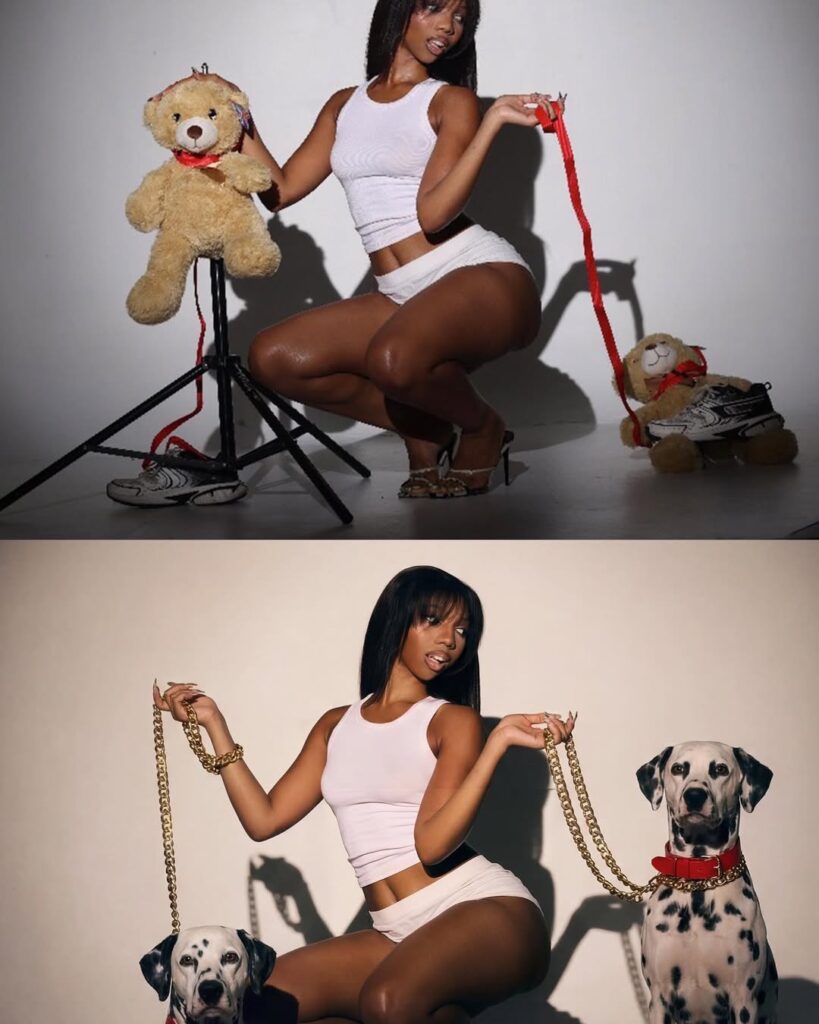
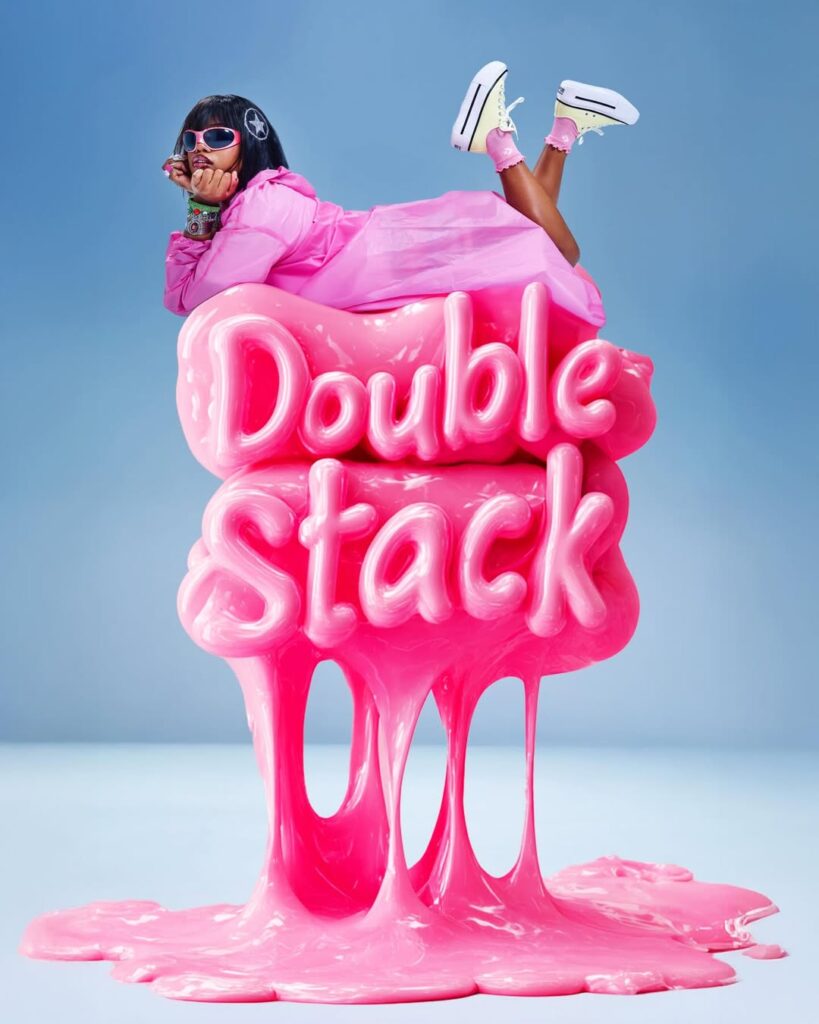
Photographer and digital artist Jr Ecko uses AI to extend his photographic work into surreal, futuristic scenes. The camera remains central, but the final world is built through a mix of traditional and generative techniques.
Multidisciplinary creative Dune Tilley has also been vocal online about AI as a rapid prototyping tool for fashion and campaign development, positioning it as part of creative research rather than the final product.
Experimentation across industries
The experimentation is happening across disciplines.
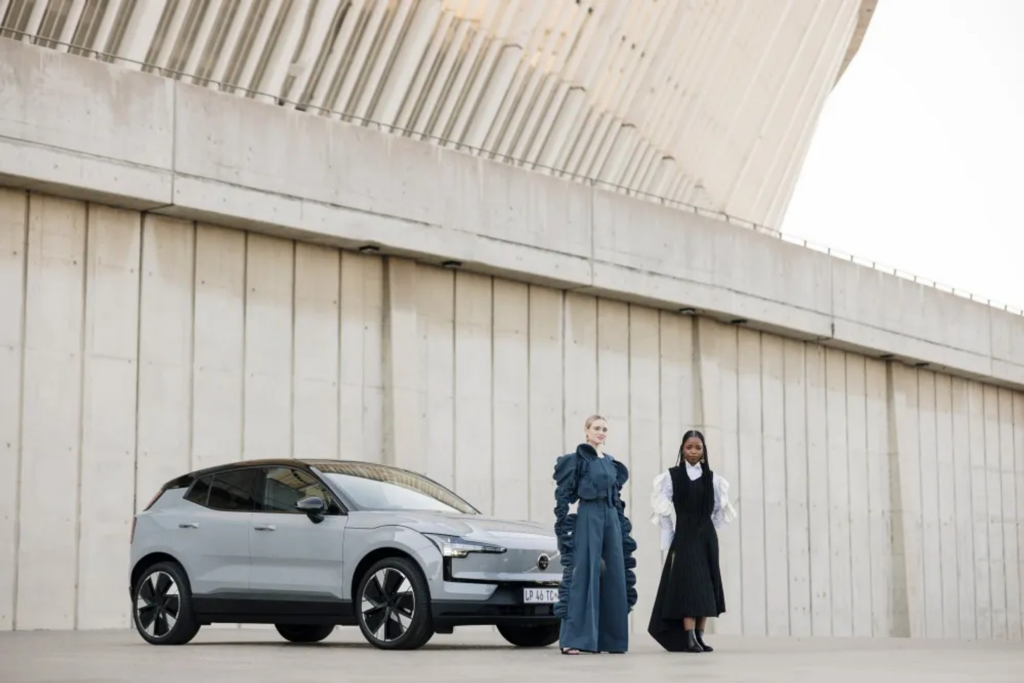
Designers Fikile Sokhulu and Nao Serati Mofammere used AI-assisted design in a collaboration with Volvo Car South Africa, translating digital concepts into physical garments.
Artist Sarina Engelbrecht shares AI-generated collections online that explore multiple visual styles, while Pietermaritzburg-based Mkhize has used AI comic formats to highlight local issues such as water shortages and electricity outages.
In film and storytelling, Garon Campbell is training emerging creatives to use AI for ideation and rapid development.
Music is also entering the conversation. Producer Gift Lubele gained attention on social media for creating an AI-generated Amapiano project that blends machine-generated elements with local sound and rhythm.
The TikTok paradox
This is where the tension becomes clearer. AI visuals are widely shared and celebrated on TikTok and Instagram. Filters, avatars and stylised animations regularly go viral.
But when the same technology moves into professional creative work, the reaction shifts. Especially in music. Voice and sound are closely tied to identity, and many artists worry about ownership, imitation and income in an industry where earnings are already limited.
The general public sentiment we’ve observed can be summarised in a way that reveals a contradiction. And that is that AI is fun when it’s entertainment but it becomes controversial when it replaces paid work.
Comment sections start asking harder questions: “Is this original? Was a creative paid? What happens to the jobs behind the work?”
The real concerns
Within the industry, three issues come up repeatedly:
- Consent — whose work trained the AI?
- Transparency — should AI-assisted work be disclosed?
- Creative labour — what happens to the people behind the production?
Some creatives now use AI only for mood boards and concepting. Others avoid it entirely. Many are experimenting while setting their own boundaries.
What AI can’t generate
The shift is also changing what creative value looks like.
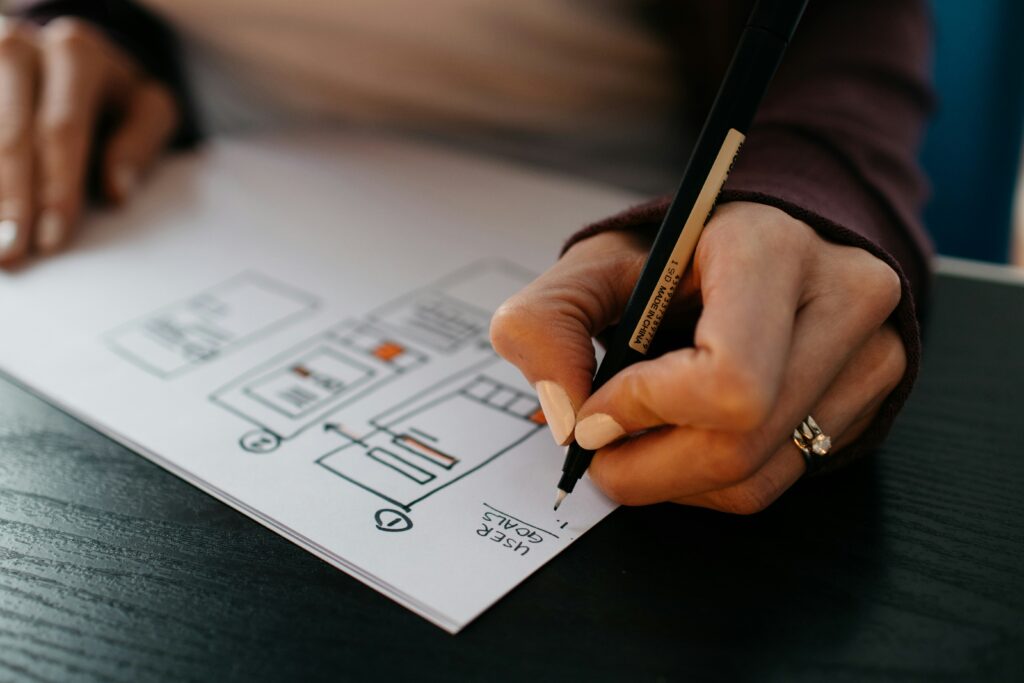
AI can generate images, text and sound. What it cannot generate is context. Asking they ‘why’ and adding a level of ‘taste’ and truly understanding what the human need is that a design, song or piece of work needs to address is still a uniquely human skill.
South African work is shaped by language, culture and lived experience. Township aesthetics, local humour and social realities still require a human perspective. For many, the role of the creative is moving from maker to director. The skill is no longer just execution, but taste, concept and cultural understanding.
In this context, AI is not replacing South African creativity. But it is changing how work is made, and the industry is responding with equal parts curiosity and caution.
The tool is here. The boundaries are still being negotiated. Stay curious and stay AI positive.