


South Africa’s participation in the 61st Venice Biennale has been thrown into doubt after Minister of Sport, Arts and Culture Gayton McKenzie cancelled the country’s official submission days before the final deadline.
The decision halted an independent curatorial process that had selected artist Gabrielle Goliath to represent South Africa at the international exhibition, which opens in May 2026.
Goliath, a former Standard Bank Young Artist, was chosen in December through an open call organised by non-profit arts organisation Art Periodic. Her proposed work, Elegy, is a performance-based project that responds to unjust death and collective mourning.
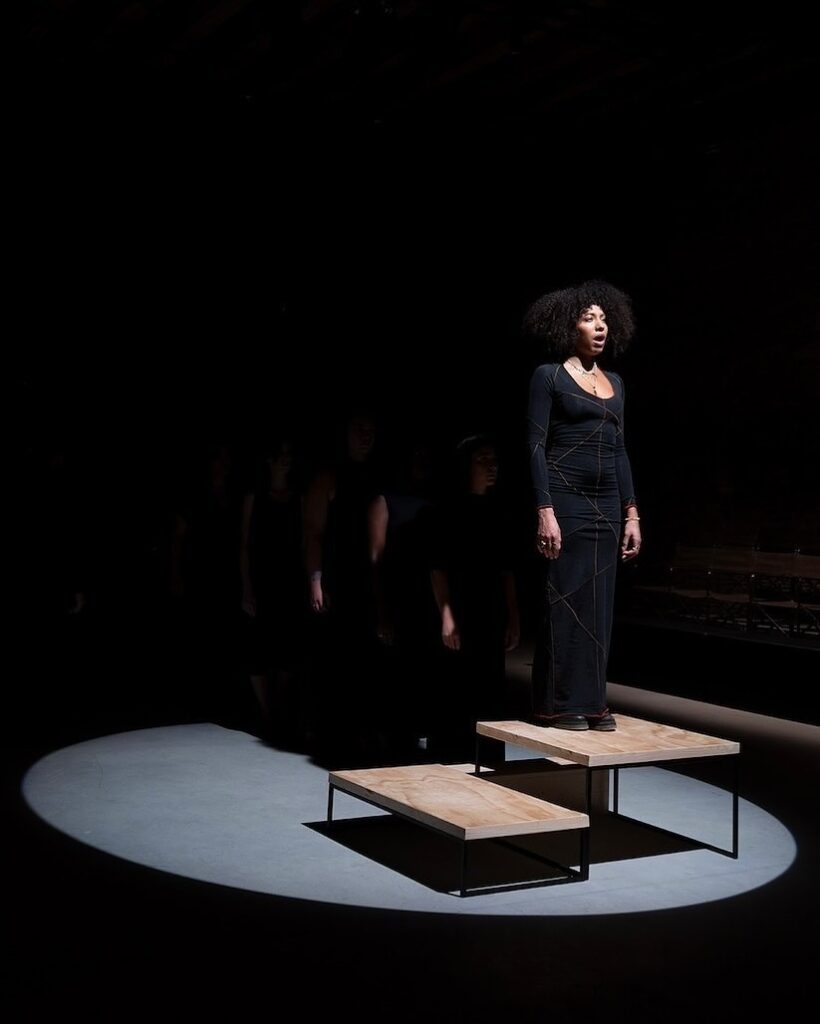
The version intended for Venice would have drawn connections between femicide and the killing of LGBTQI+ people in South Africa, the Ovaherero and Nama genocide in Namibia, and the deaths of women and children in Gaza since October 2023.
It was this final section that McKenzie objected to.
In a letter sent to Art Periodic on 22 December, the minister described the Gaza references as “highly divisive” and linked to a “widely polarising international conflict”. He requested a change in artistic direction and warned that failure to comply could result in South Africa withdrawing from the Biennale altogether.
On 2 January, McKenzie terminated the department’s partnership with Art Periodic, effectively cancelling the pavilion less than ten days before the Biennale’s 10 January submission deadline.
Artists push back
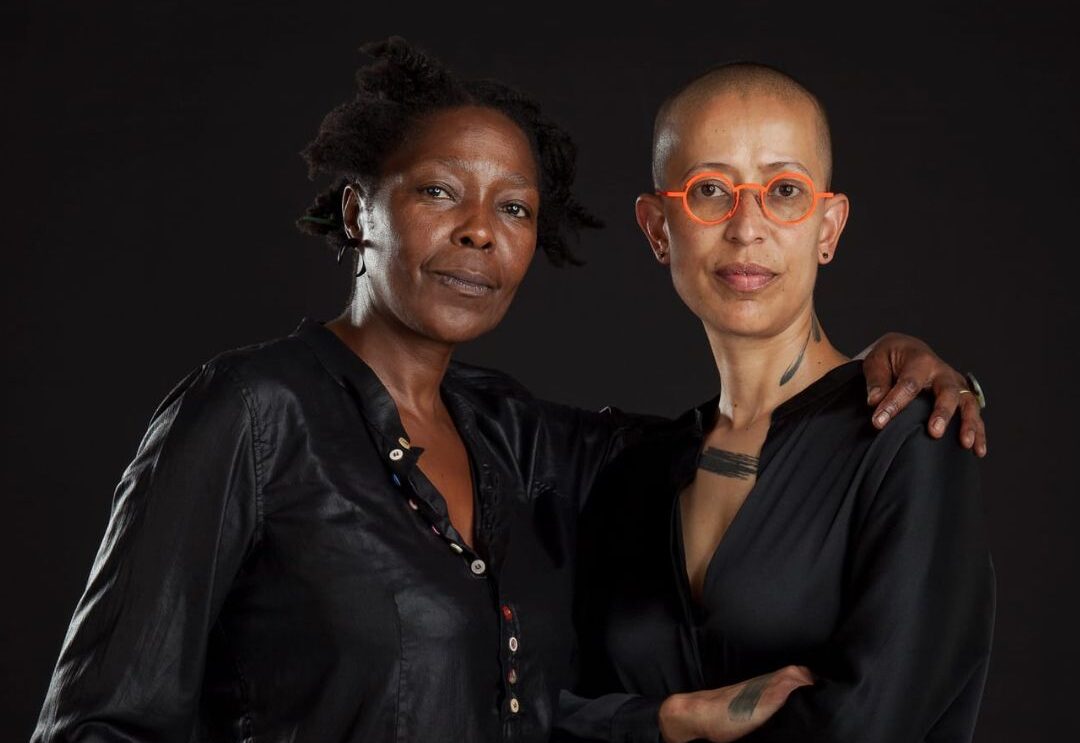
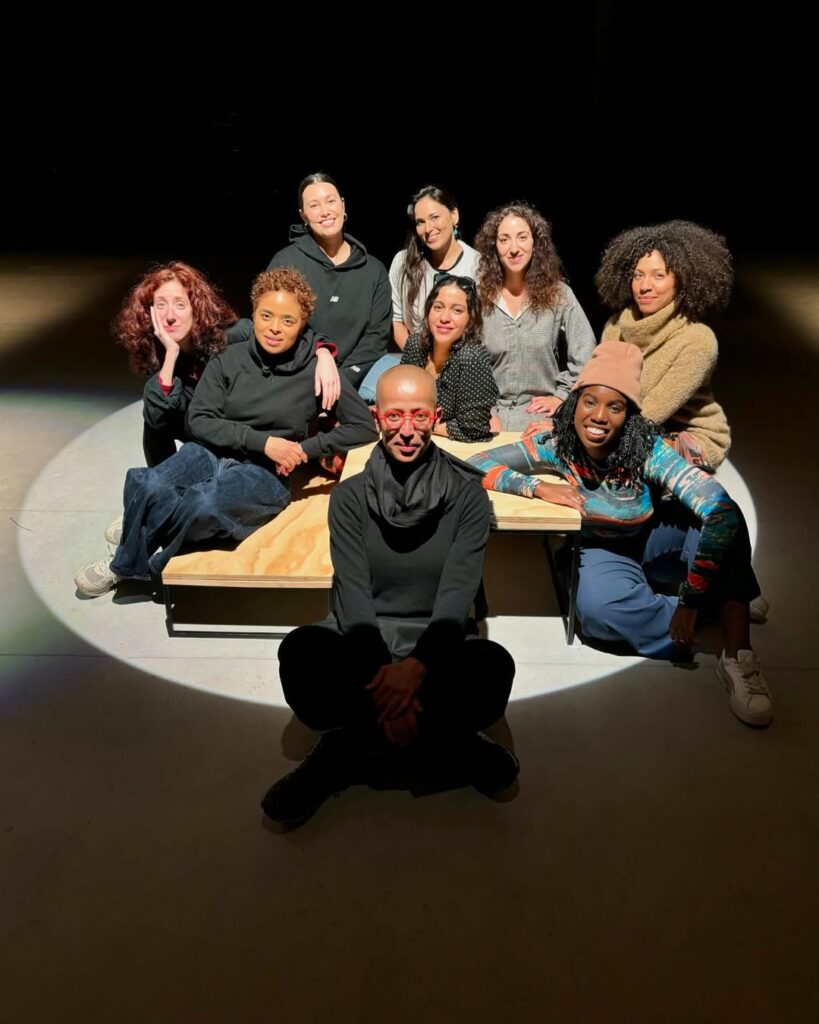
Goliath, curator Ingrid Masondo, and collaborator James Macdonald responded in an open letter dated 4 January, describing the minister’s intervention as a violation of the right to freedom of expression.
They rejected the idea that Elegy was divisive, instead framing it as a work of mourning and repair.
“We do not believe it is the role of a minister to prescribe what artists may or may not reflect upon,” they wrote, adding that the arts play a critical role in engaging with urgent social and political realities.
Goliath has also pushed back publicly against the expectation that national pavilions should present a polished or celebratory image of the country.
Her work, she said, is concerned with “revealing and refusing conditions that make violence possible” and with foregrounding care, survival, and remembrance.
Art world backlash
The decision has been widely condemned by the selection committee, which included Nomusa Makhubu, Tumelo Mosaka, Greer Valley, Molemo Moiloa, and Sean O’Toole.
In a public statement, the committee described the cancellation as “an abuse of executive authority” and warned against political interference in independent curatorial processes.
They emphasised that Elegy was selected for its sensitivity and depth, and that it engages with both local and global forms of violence through listening and intimacy rather than spectacle.
Political tension
McKenzie’s decision has also raised eyebrows within government. South Africa is currently pursuing a legal case against Israel at the International Court of Justice, arguing that Israel’s actions in Gaza violate the Genocide Convention.
Officials within the Department of International Relations and Cooperation have reportedly expressed concern that the cancellation sends mixed signals about South Africa’s official stance.
McKenzie has denied that his personal views influenced the decision. He has argued that South Africa’s pavilion should focus on work rooted in “South African experience” and promote social cohesion and nation-building.
He has also rejected claims of censorship, stating that the artist remains free to present the work elsewhere, even if it is not endorsed under the national banner.
Funding questions and uncertainty
The ministry has framed its decision as one of endorsement and representation. However, Art Periodic and members of the arts community have pointed out that no state funding was allocated to the production, transport, or installation of Elegy.
Despite assurances that South Africa will still participate in the Biennale, no alternative pavilion, artist, or curatorial team has been announced.
As the deadline passes, the episode has become a flashpoint for broader debates about censorship, artistic autonomy, and who gets to decide which stories are allowed to represent South Africa on the global stage.