


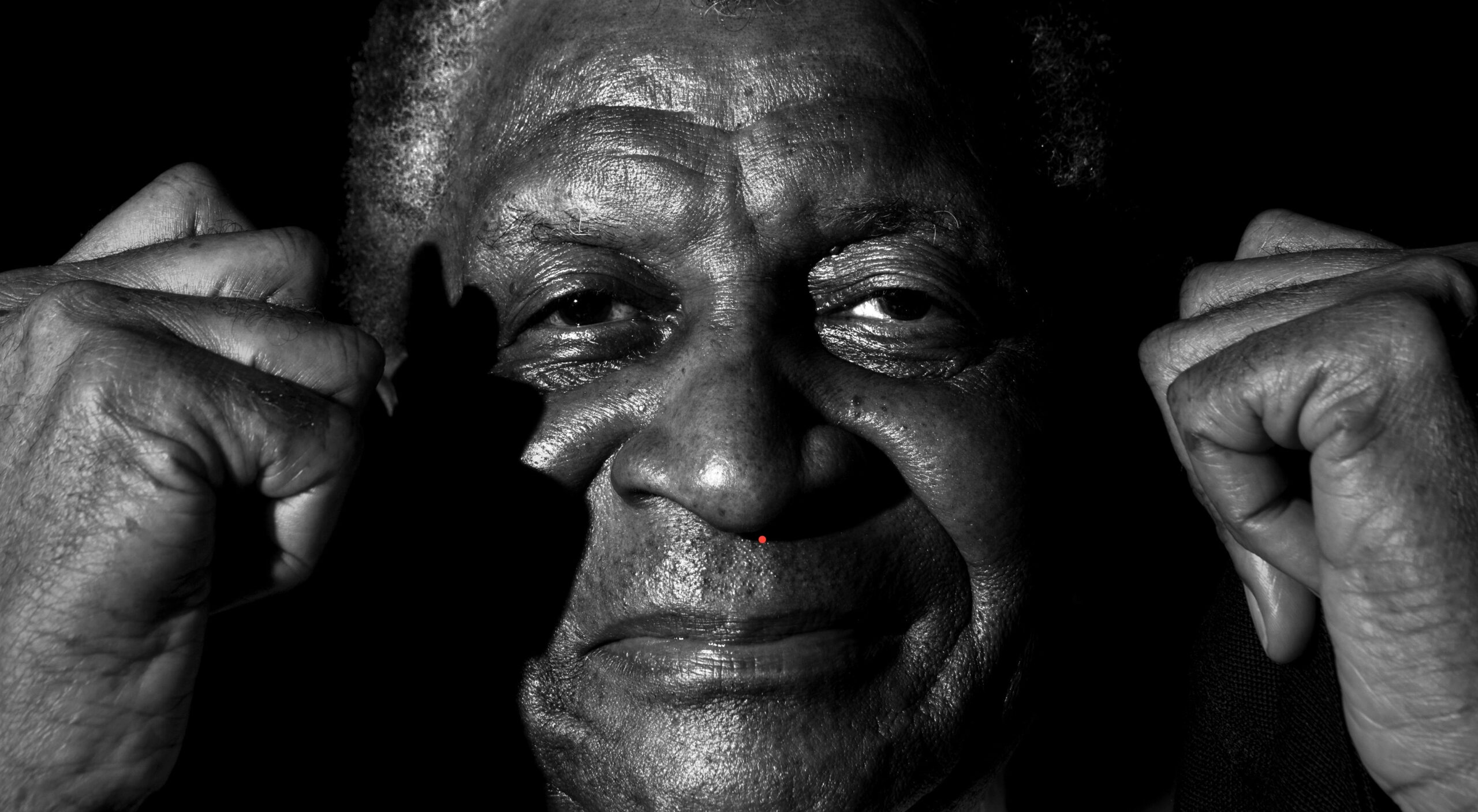

South Africa has lost one of its greatest musical minds.
Legendary pianist, composer and cultural icon Abdullah Ibrahim has passed away at the age of 91, bringing an end to a remarkable career that spanned more than seven decades and helped shape the sound of South African jazz as we know it today.
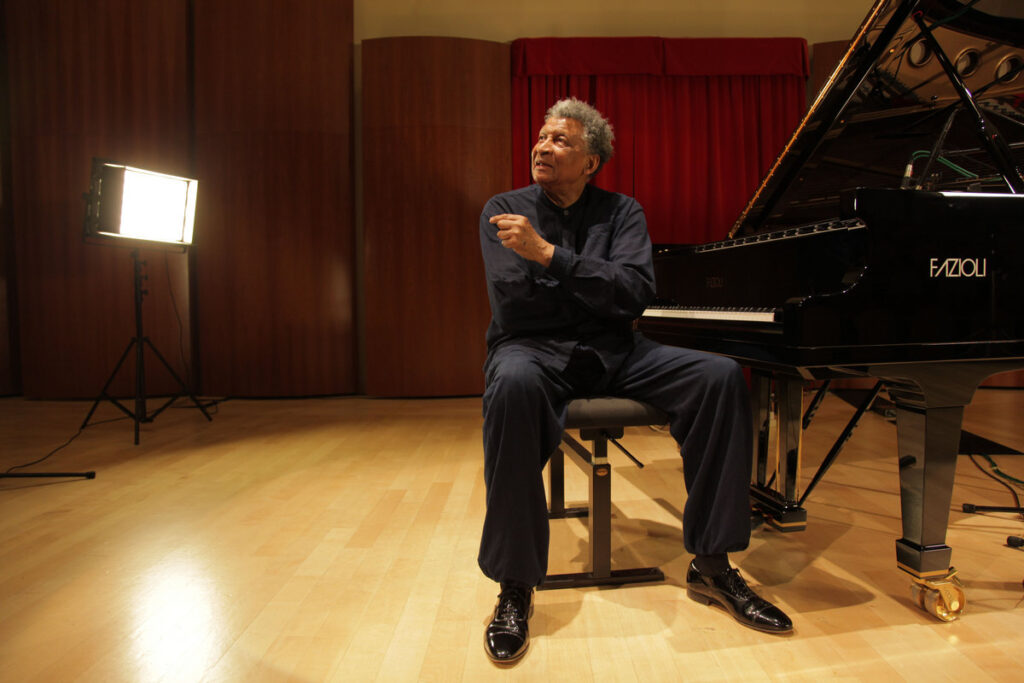
For younger music fans, Abdullah Ibrahim may not be a name that appears on daily playlists, but much of South Africa’s musical identity carries his fingerprints.
Pushing The Boundaries Of South African Jazz
Born Adolph Johannes Brand in Cape Town in 1934, Ibrahim grew up immersed in church music, Cape rhythms and American jazz. Long before he became an internationally respected musician, he was known as Dollar Brand and was already pushing the boundaries of what South African jazz could sound like.

In 1960, he became part of the groundbreaking group the Jazz Epistles, who recorded the first full-length jazz album by Black South African musicians. At a time when apartheid sought to silence Black creativity, their music became a statement of possibility and resistance.
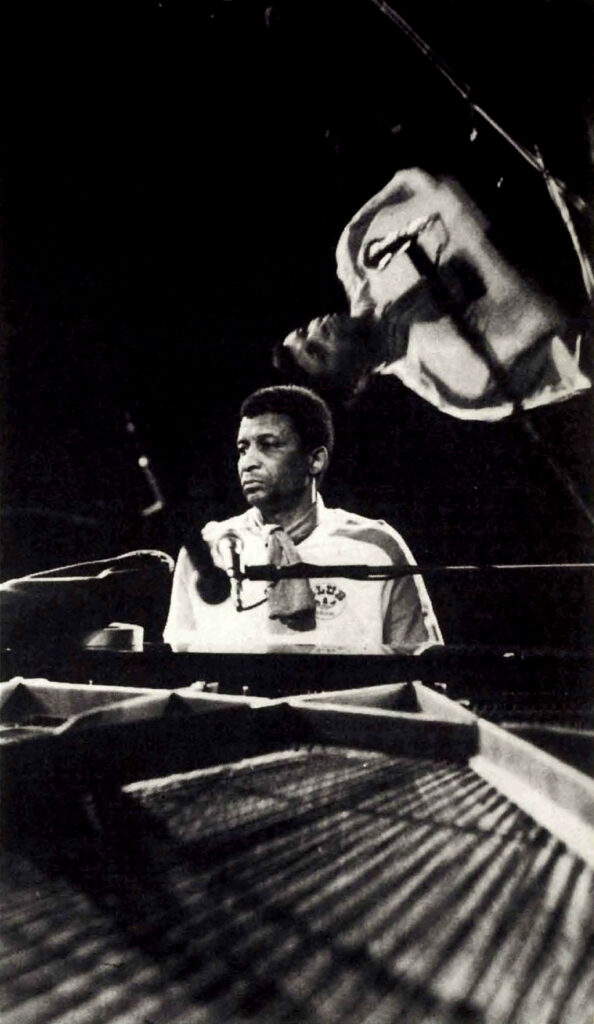
Forced into exile during apartheid, Ibrahim took South African music to the world. His talent caught the attention of jazz legend Duke Ellington, opening doors to international stages and audiences. Yet no matter how far he travelled, his music remained rooted in home.
Impact on Jazz In South Africa
Perhaps no composition captures his impact better than Mannenberg. Released in 1974, the instrumental became more than a song, it became a soundtrack for resistance, hope and liberation during some of South Africa’s darkest years. For many, it remains one of the most important pieces of South African music ever recorded.
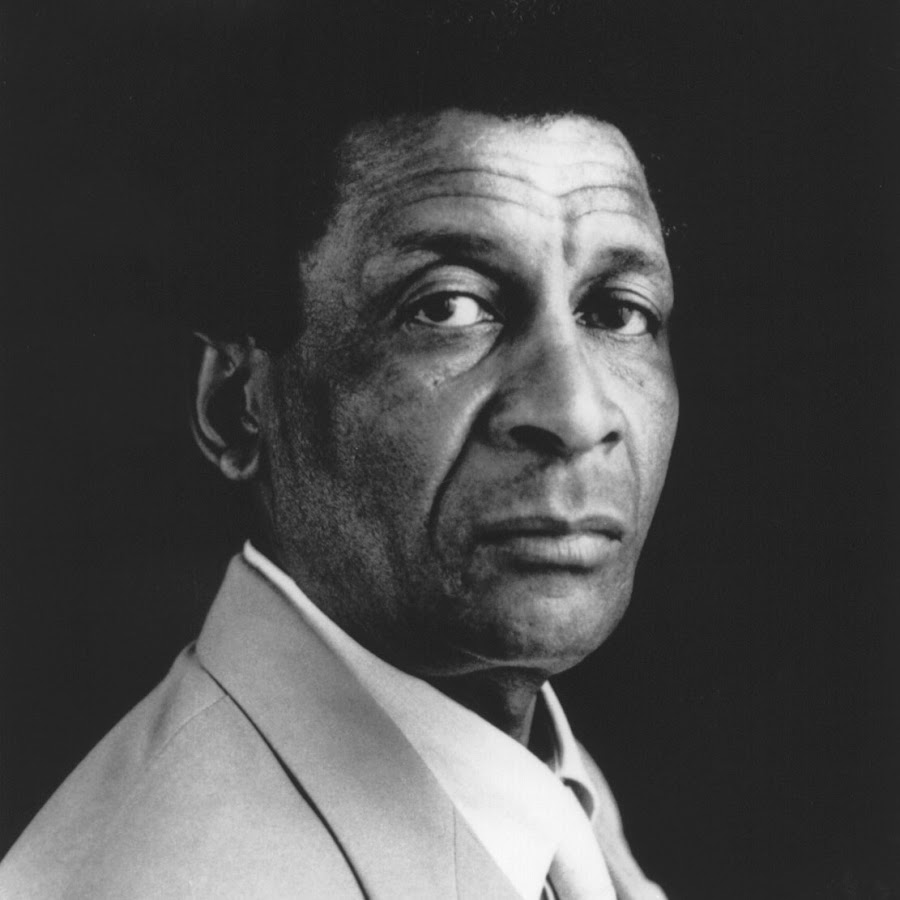
What made Abdullah Ibrahim special wasn’t just his technical brilliance on the piano. It was his ability to blend jazz, African rhythms, spirituality and storytelling into a sound that felt distinctly South African while resonating across the globe. His work inspired generations of musicians, from jazz purists to contemporary artists exploring their own cultural identities through music.
A Tribute To Dollar Brand’s Legacy
As tributes continue to pour in from around the world, Abdullah Ibrahim leaves behind more than an extensive catalogue of music. He leaves behind a blueprint for how art can preserve culture, challenge injustice and tell the story of a people.
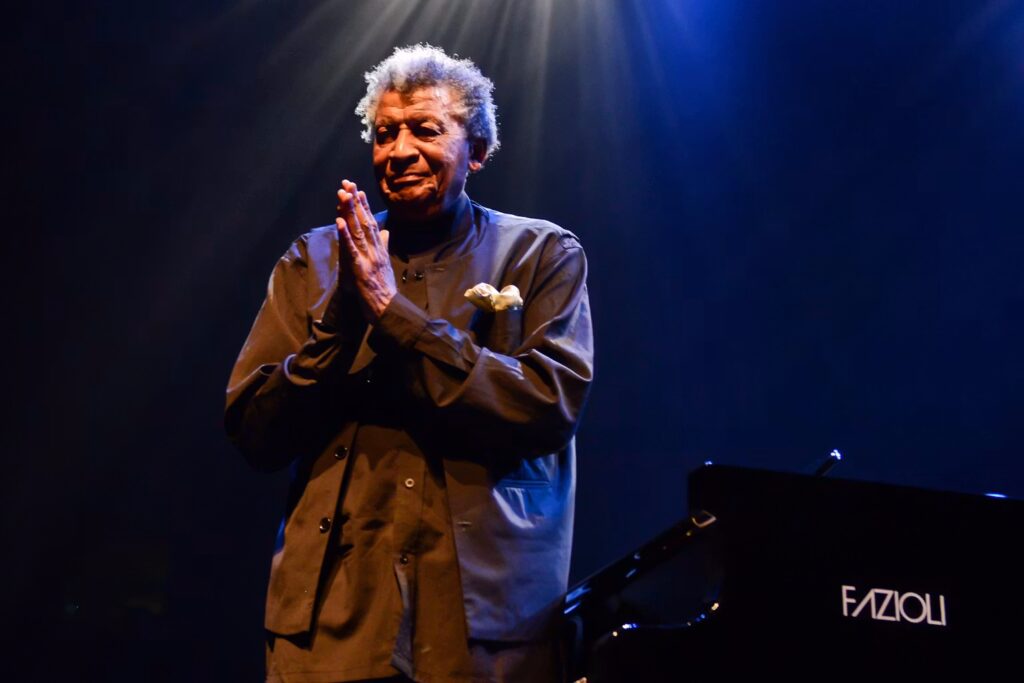
His music will continue to echo through South Africa’s clubs, festivals, headphones and history books for generations to come. Rest in peace, Abdullah Ibrahim. A jazz giant, a cultural freedom fighter, and one of South Africa’s greatest musical exports.