


In early January, South African stages welcomed Asake, Gunna and Mariah the Scientist. Together, their shows reveal how young audiences listen, feel and move with global sound today.
Early January has become a quiet but telling moment in South Africa’s music calendar. While many Early January has become a quiet but telling moment in South Africa’s music calendar. While many people are still easing into the year, stages in Johannesburg and Cape Town came alive. Within a few days, audiences gathered for performances by Asake, Gunna, Mariah the Scientist and Wale.
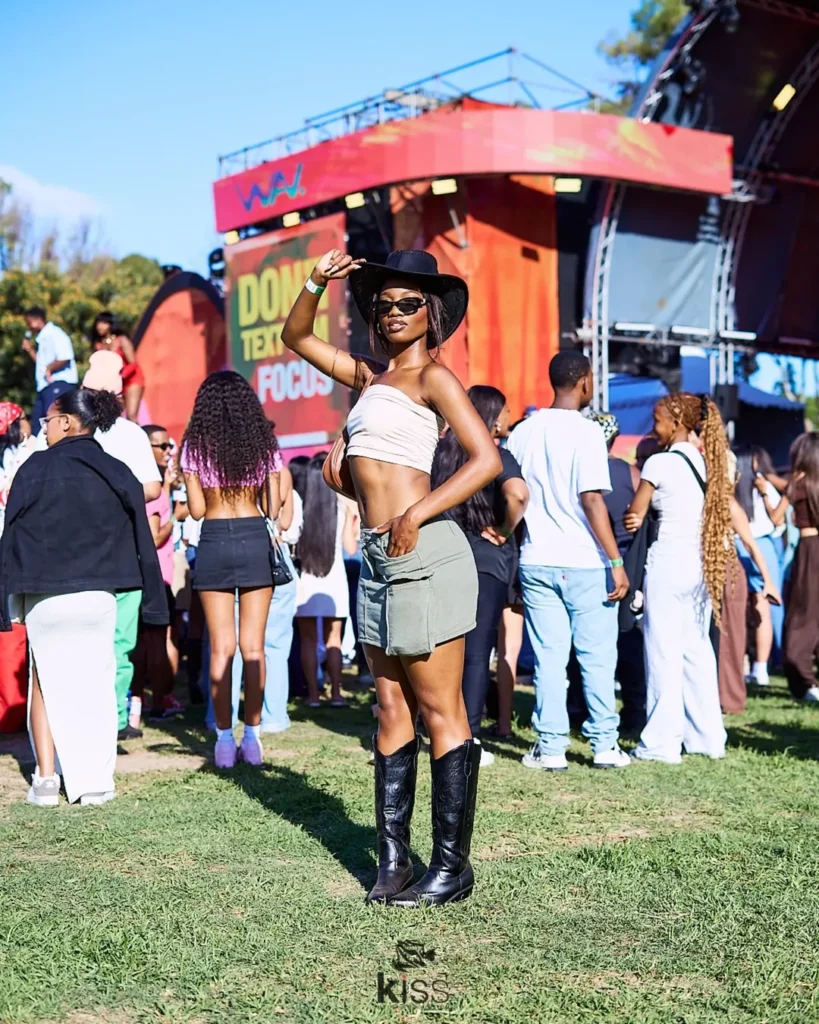
Different genres. Different spaces. The same season. Often, the same kind of crowd. Asake opened the month with a standalone headline show in Johannesburg, presented by AfroFuture as part of its Curated By Culture series. In Cape Town, Gunna appeared as a headline international act at the Milk + Cookies Festival. Mariah the Scientist and Wale shared a bill at the WAV Festival, a new R&B-led event focused on soul, hip hop and diasporic sound.
January sits between celebration and routine. The weather is warm. The pace is slower. People are open to gathering. This makes it a natural time for international artists to visit South Africa. But these shows were not only about timing. They revealed something about how young audiences are listening right now.
Connecting To The Music and Artist
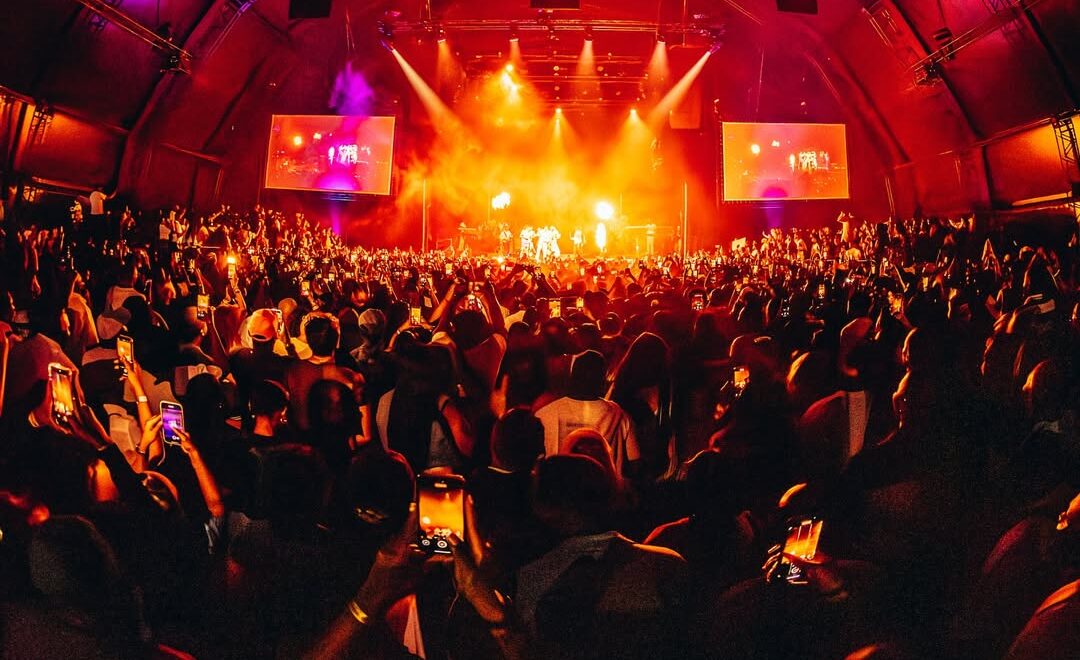
Across these performances, feeling mattered more than spectacle. At his Johannesburg show, Asake leaned into rhythm and repetition. His music moved through the crowd like a pulse, inviting dancing, chanting and shared release. It felt closer to a collective celebration than a formal concert.
At the Milk + Cookies Festival, Gunna’s set unfolded inside a lifestyle-driven space. Music blended with fashion, branding and visibility. The experience stretched beyond the stage. Outfits were considered. Phones stayed raised. The moment lived both in the crowd and online.
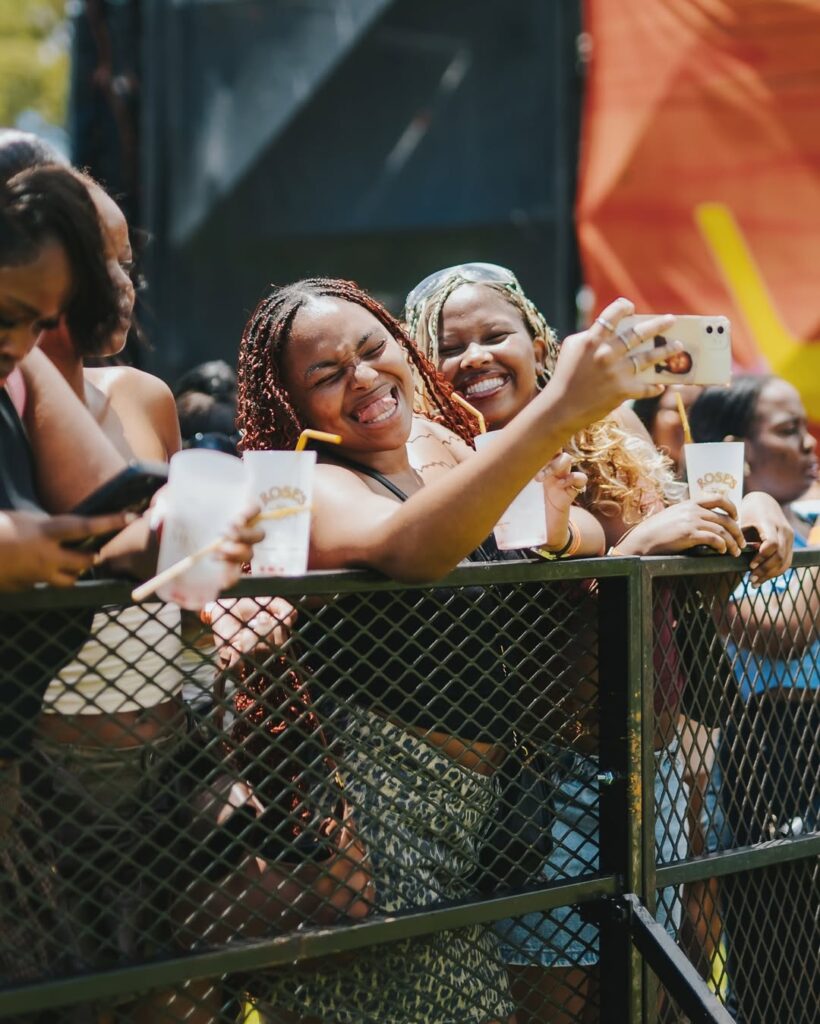
At WAV Festival, Mariah the Scientist and Wale offered a quieter, more reflective counterpoint. Mariah slowed the pace. Her songs made room for vulnerability and emotion, creating intimacy even in an open setting. Wale followed with lyric-led storytelling. His performance felt grounded and familiar, built on words, memory and connection rather than hype.
Despite their differences, these artists spoke to the same audience desire. Young listeners moved easily between Afrobeats, hip hop and R&B. Genre mattered less than emotion. Groove, melody and mood carried more weight than volume or excess.
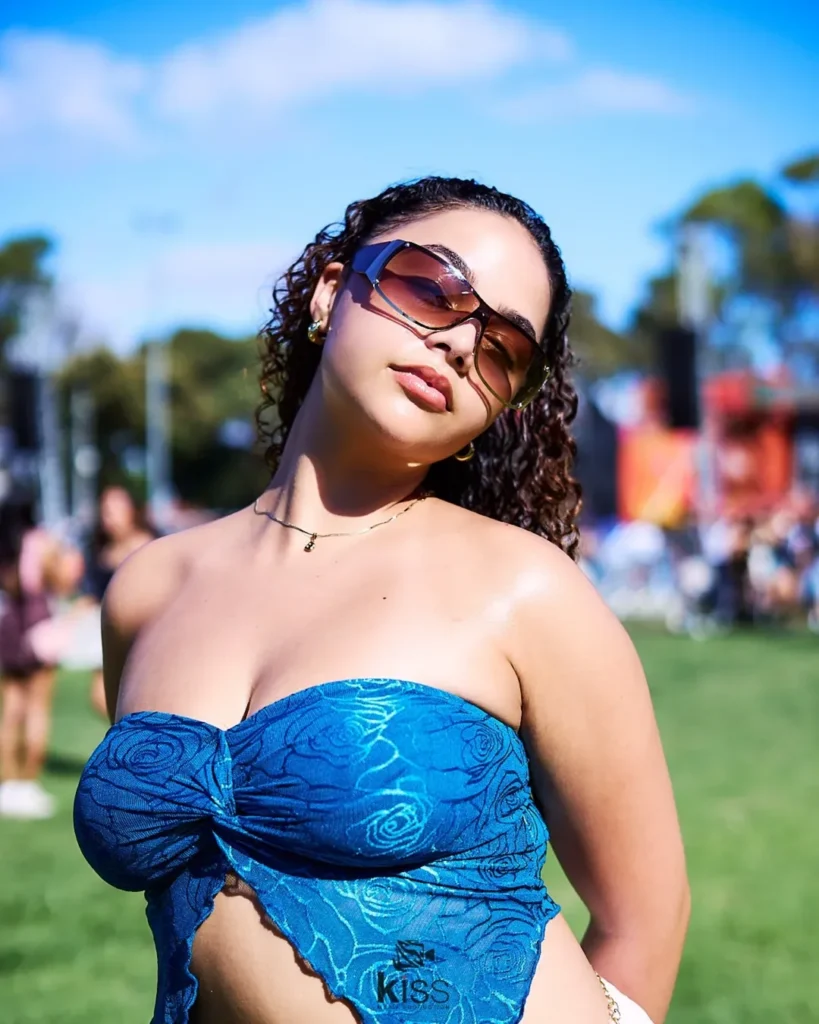
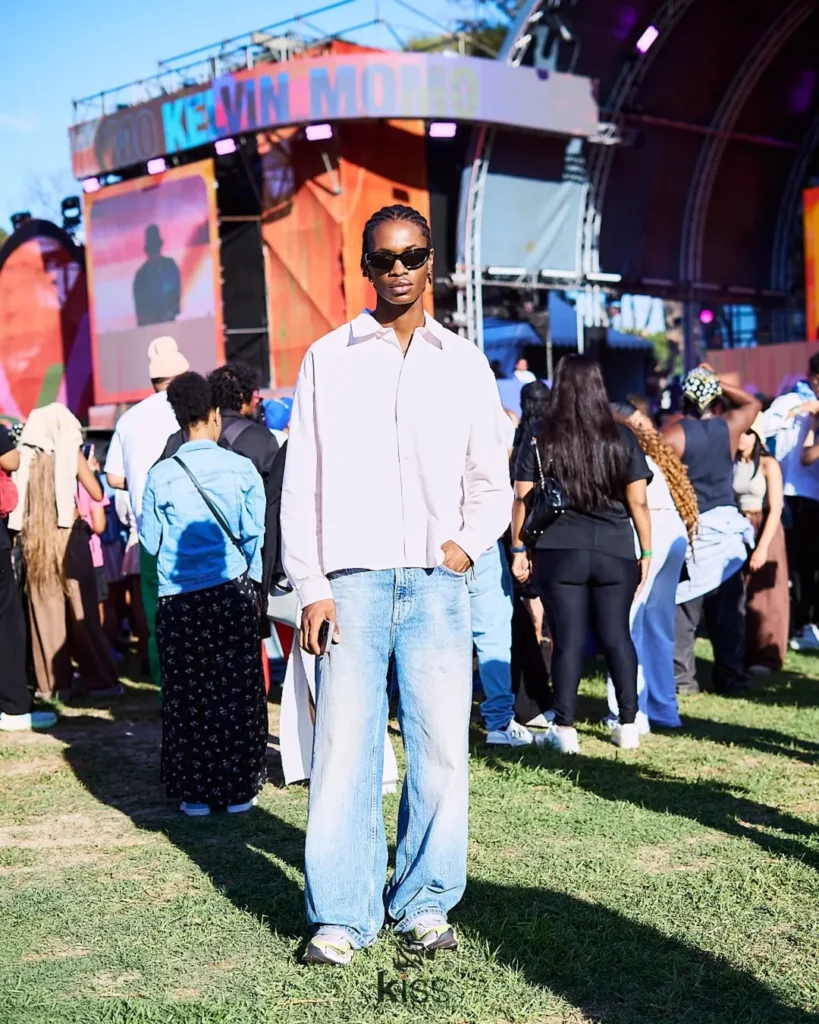
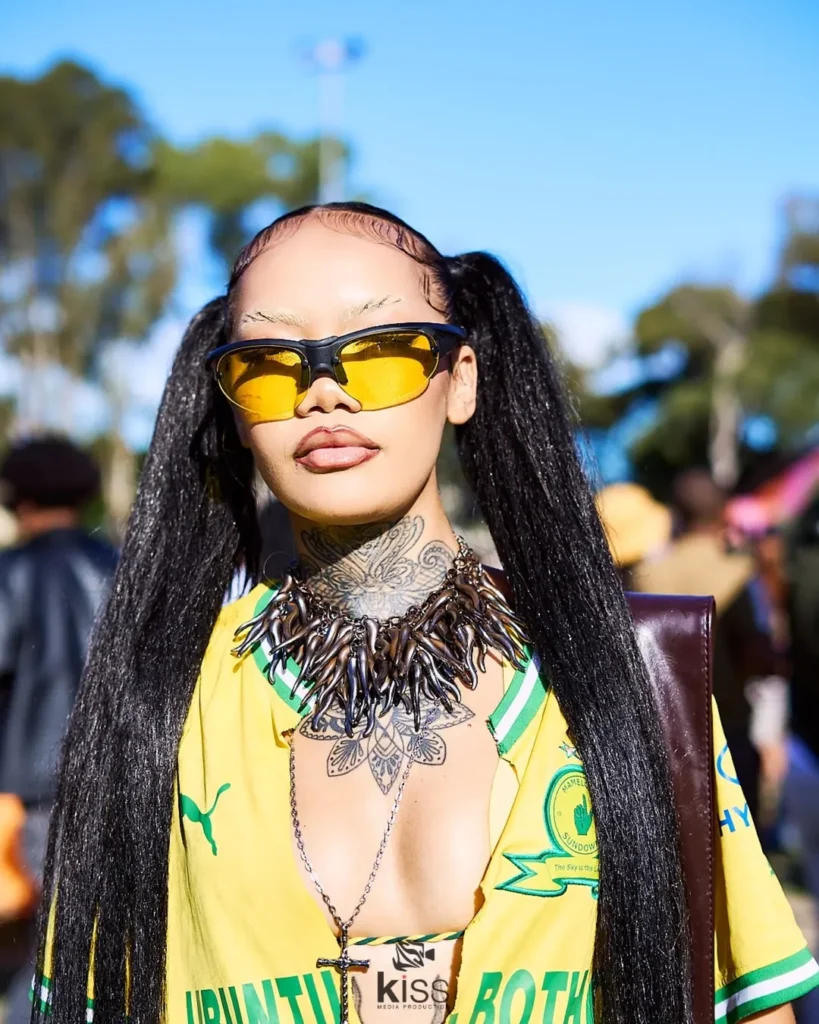
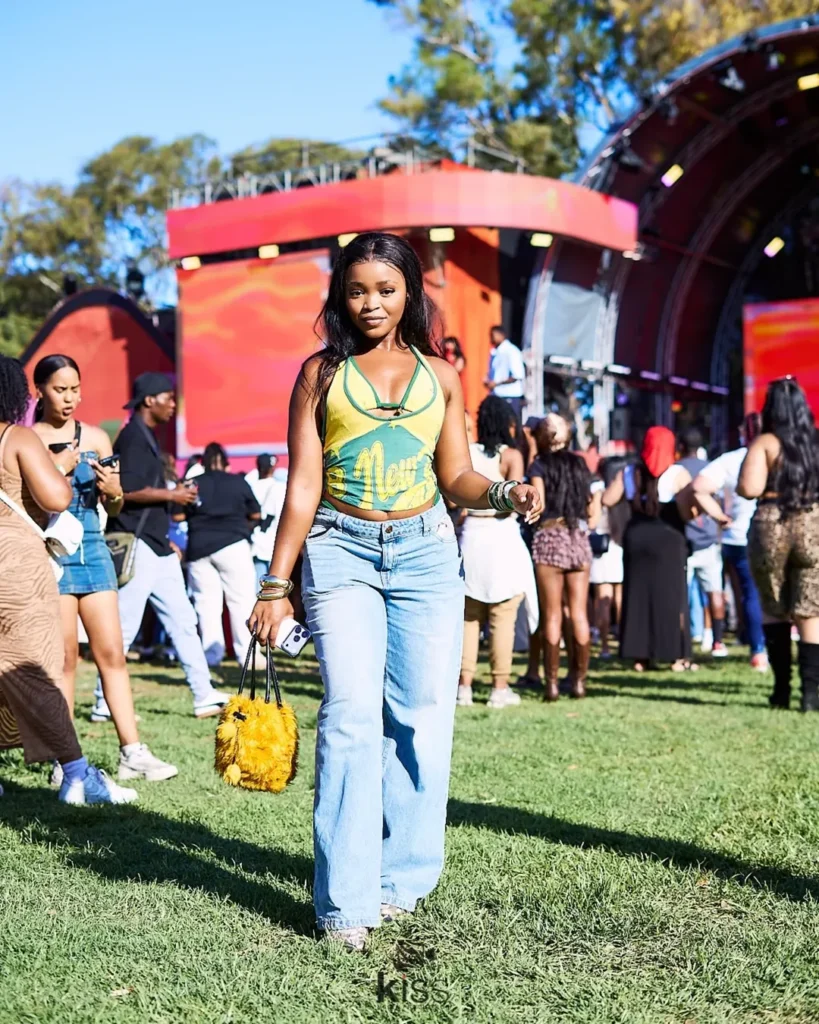
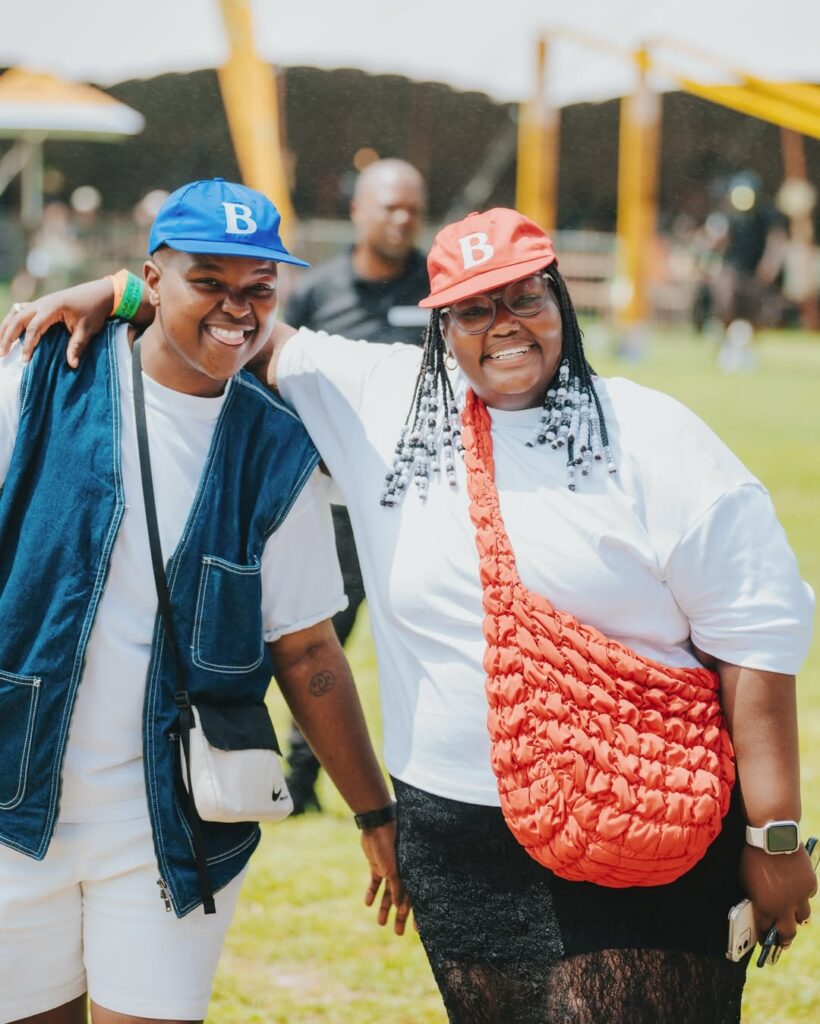
This ease reflects how African and diasporic music circulates locally. These sounds do not arrive as something foreign. Afrobeats sits comfortably alongside Amapiano and house. American hip hop and R&B feel familiar, shaped by years of listening and influence in South Africa.
South Africa’s Role
South Africa’s role in this exchange is active. These artists performed to crowds who already knew the words, the rhythms and the references. The country is no longer a side stop on global tours. It is part of the conversation.
Together, these January shows point to something clear. Youth taste in South Africa leans towards music that feels honest, emotional and rhythm driven. January has quietly become the moment when this connection is most visible. A space where global sound and local feeling meet.