

Words by Junior Edior: Kgosi Masilela.
How gxthestallion’s “TRAPJUMP” is bringing attention to Johannesburg’s underground scene and reigniting a conversation about the identity of local hip-hop.
South African hip-hop has never had just one sound. From the kasi influences that shaped earlier generations to the different interpretations of trap, alternative rap and drill emerging today, the genre has always evolved. Yet whenever a new wave starts gaining attention, the same question resurfaces: what should South African hip-hop actually sound like?
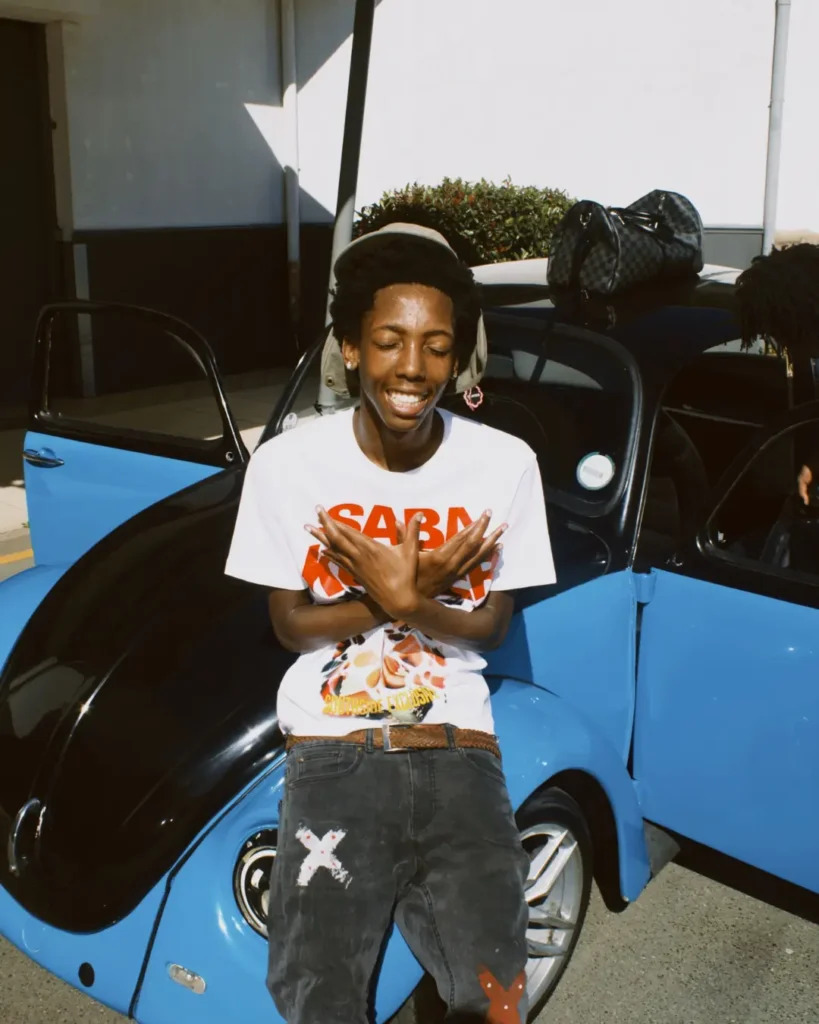
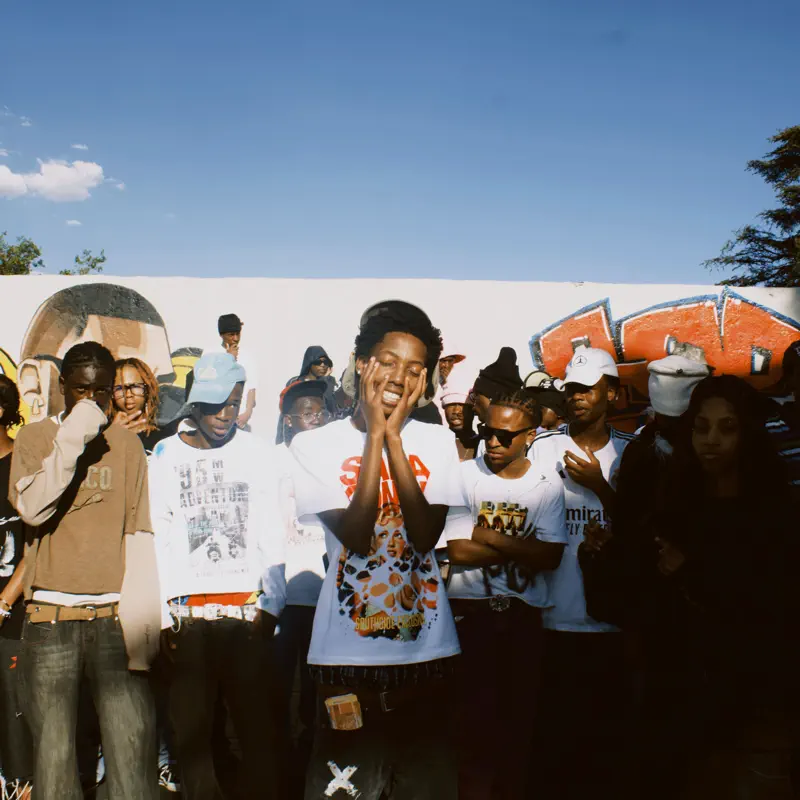
It’s a conversation about identity, influence and authenticity, but perhaps more importantly, who gets to decide what represents the culture. One of the songs bringing this conversation into focus is “TRAPJUMP” by Johannesburg rapper gxthestallion. What began as an underground release has found an audience well beyond its original circles, introducing more listeners to a scene that has largely developed outside the mainstream.
From BandLab To The Bigger Conversation
Before the million-view milestone and international reactions, gxthestallion was simply experimenting with music on BandLab. In an interview with Space Impaxt, he recalled making a song and playing it to a friend who genuinely enjoyed it. That small moment encouraged him to keep creating. It’s a familiar starting point for many emerging artists: a laptop, curiosity and someone willing to believe in what they hear.
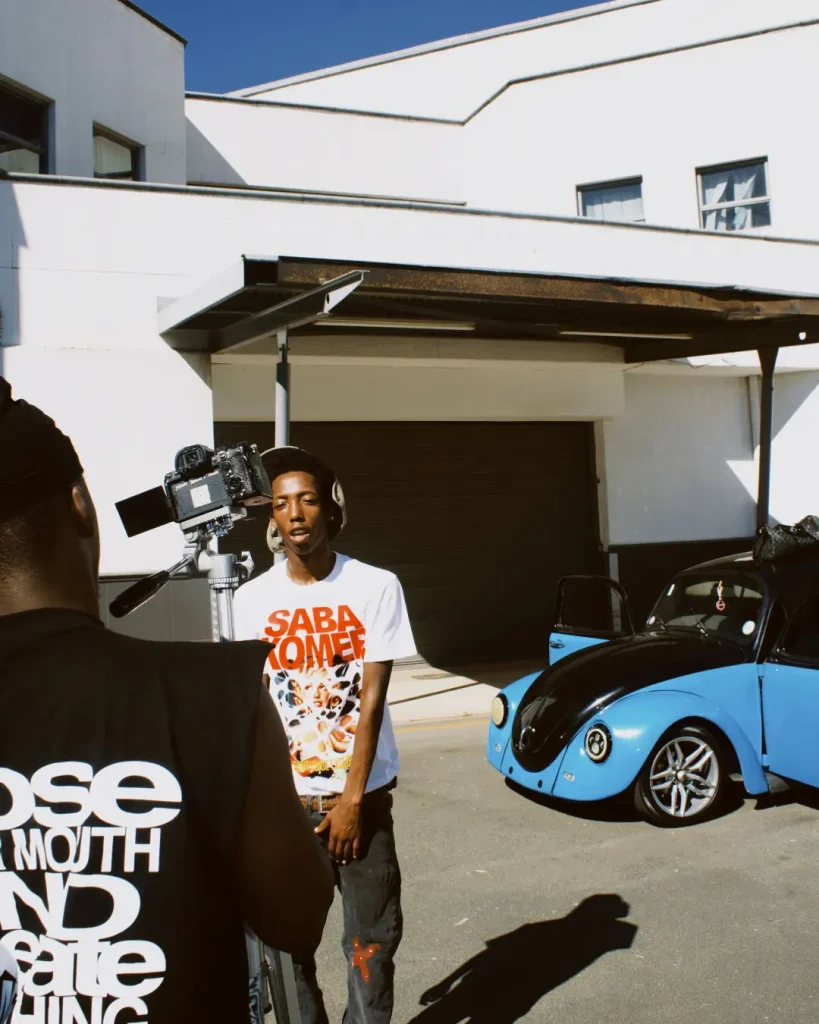
Since then, gxthestallion has released projects including LiveLoveTrap, gxtherebellion and gxthepavilion, building connections with emerging artists and producers such as Iceb0y, Gen, Gasomob, Omgragee and silasprod. Representing Johannesburg’s Southside, he also makes his roots known through references like “All Southside, rise”, keeping his connection to home present as his music reaches wider audiences.
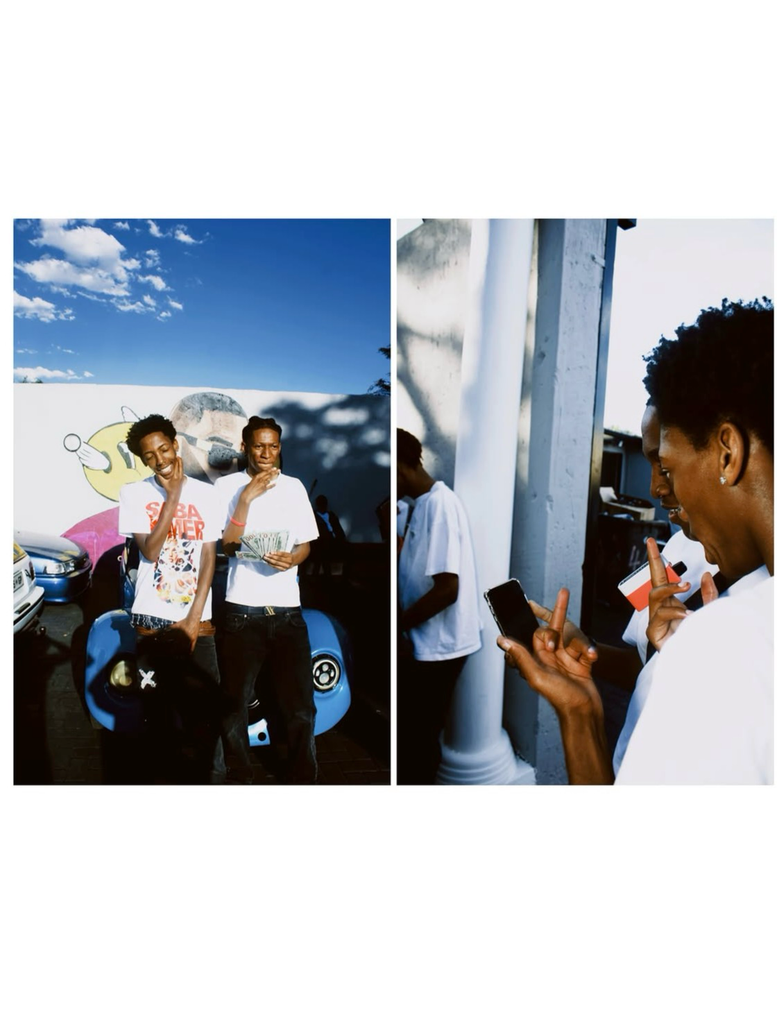
According to local music coverage, the video accumulated more than 400,000 views within its first five days before reportedly passing one million views on YouTube by 18 November. The track also entered Spotify’s South Africa Daily Top 200, reaching number 160 on 3 November. International reaction channels began picking up the record, while Houston-based DJ Mike Hen released a chopped-and-screwed interpretation of “TRAPJUMP”. Its growing exposure has brought attention not only to gxthestallion, but also to the wider network of artists, producers and creatives shaping Johannesburg’s underground scene.
Whose Version Of South African Hip-Hop?
The reaction to this new wave hasn’t been entirely positive. While some listeners are excited by the direction underground rap is taking, others question why so many local artists appear to be drawing heavily from American sounds. The criticism often comes down to authenticity. If the beats, flows and delivery sound American, where does the South African identity come in? And when does influence become imitation?
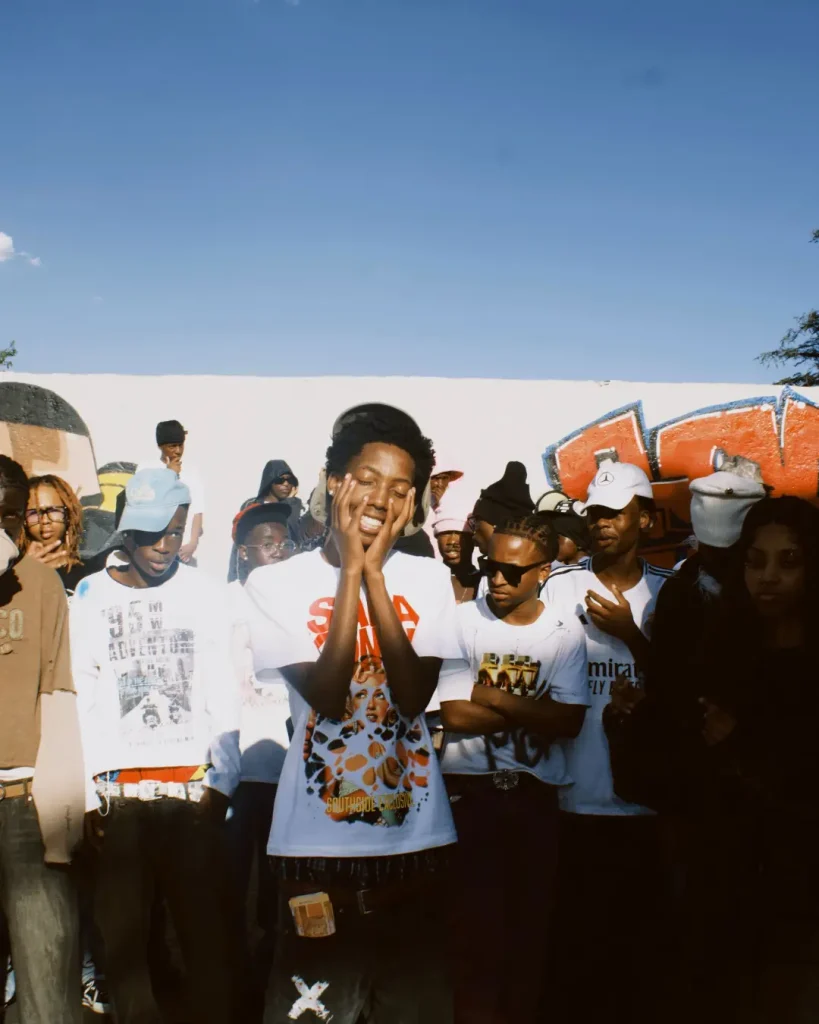
For years, local hip-hop has been associated with recognisable cultural markers: township references, local languages, familiar production styles and stories rooted in everyday South African life. These elements helped shape a sound that audiences could immediately connect with. You can hear some of that in gxthestallion’s music. The distorted bass, energetic percussion and chant-like delivery draw parallels with contemporary American underground and rage rap. Yet his references to Johannesburg’s Southside place him within a distinctly local environment.
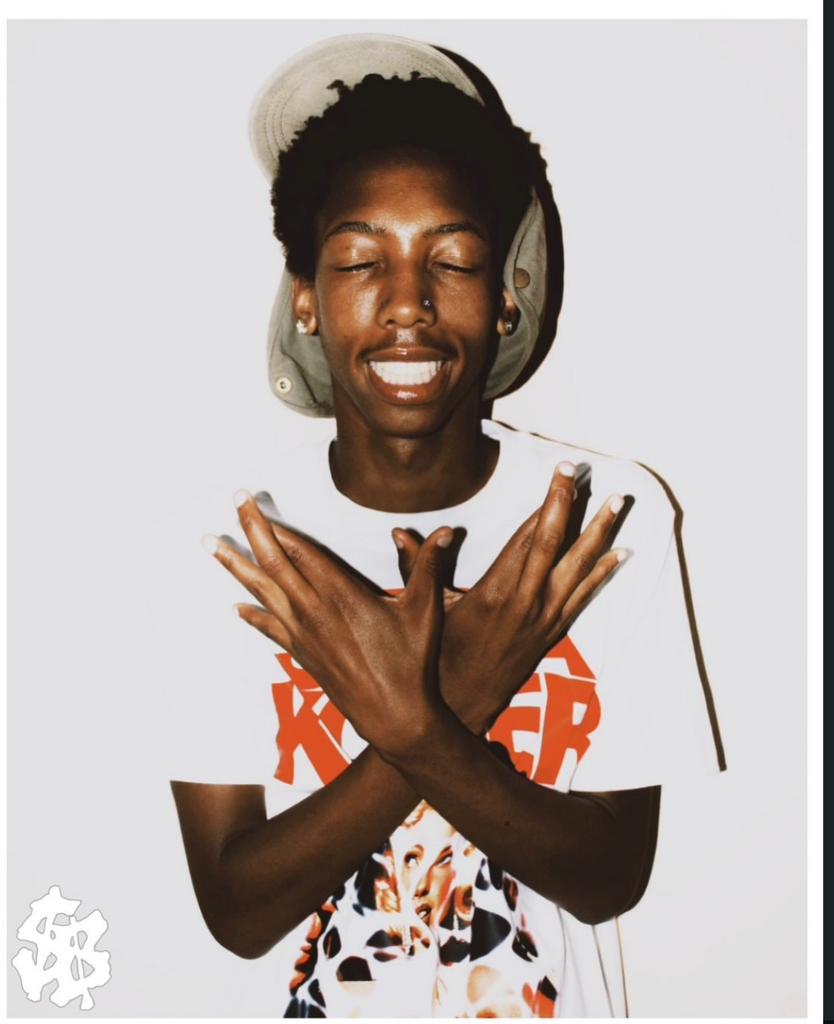
His perspective challenges the idea that local identity and international influence have to compete. Perhaps the issue isn’t that these artists are listening to American music. It’s whether we’re willing to accept that South African hip-hop can sound different from what we’ve traditionally recognised.
The Underground Is Finding Its Own Audience
The internet has changed how emerging artists introduce themselves to the world. Getting music heard no longer has to begin with radio play, a record label or established industry connections. Artists can record at home, upload a track and build an audience through platforms such as SoundCloud, YouTube and TikTok. The journey behind “TRAPJUMP” is one example of how quickly an underground record can move beyond its original audience.
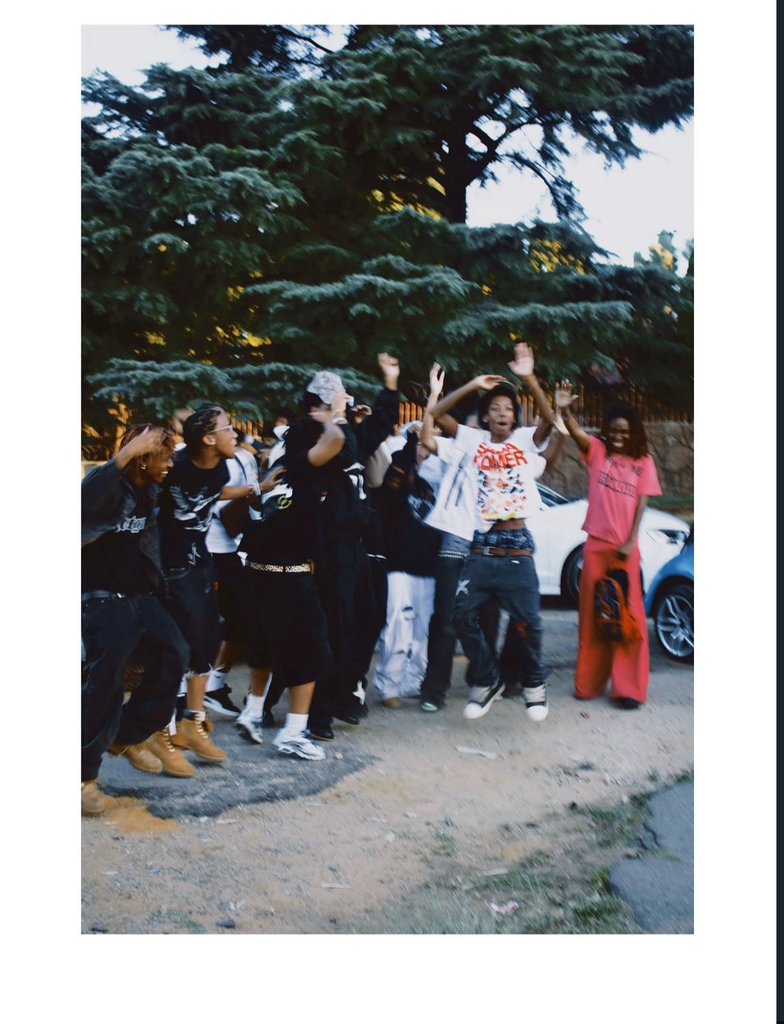
The wider streaming landscape points to an audience increasingly engaging with different sounds. Spotify’s 2025 Loud & Clear figures show that South African artists generated more than R504 million in royalties during the year, while cloud rap and pop rap were among the country’s fastest-growing genres over the preceding five years. While these figures don’t measure the underground scene specifically, they offer some perspective on the changing appetite for local music and the opportunities emerging beyond traditional industry structures.
Let The Sound Evolve
The tension between preserving cultural identity and allowing it to evolve isn’t unique to South African hip-hop. Every generation eventually introduces something different, and not everyone is immediately comfortable with it. There’s nothing wrong with wanting local hip-hop to retain the qualities that made it distinctive. Our languages, storytelling, production and lived experiences remain important parts of the culture. But they don’t have to be the only ways of representing it.
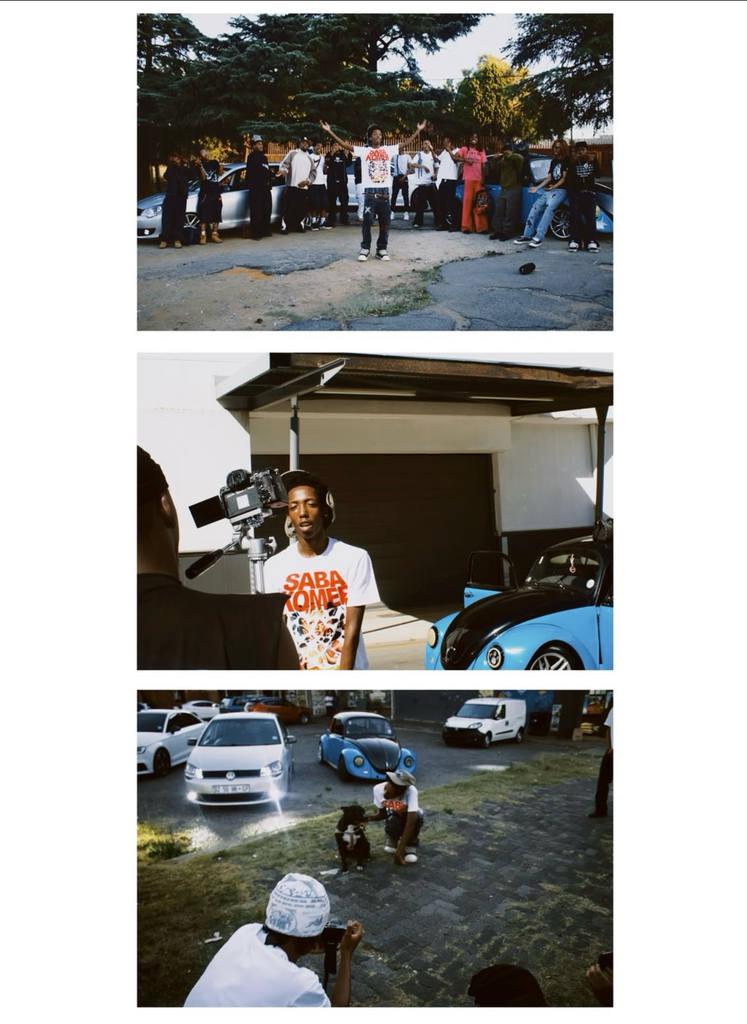
The attention surrounding “TRAPJUMP” gives us a reason to pay closer attention to that development. Beyond the numbers, it’s an introduction to a community experimenting with sound, building its own networks and finding new ways to connect with audiences. Perhaps South African hip-hop doesn’t need another definition. Perhaps it needs more room to experiment, challenge expectations and exist in different forms.