


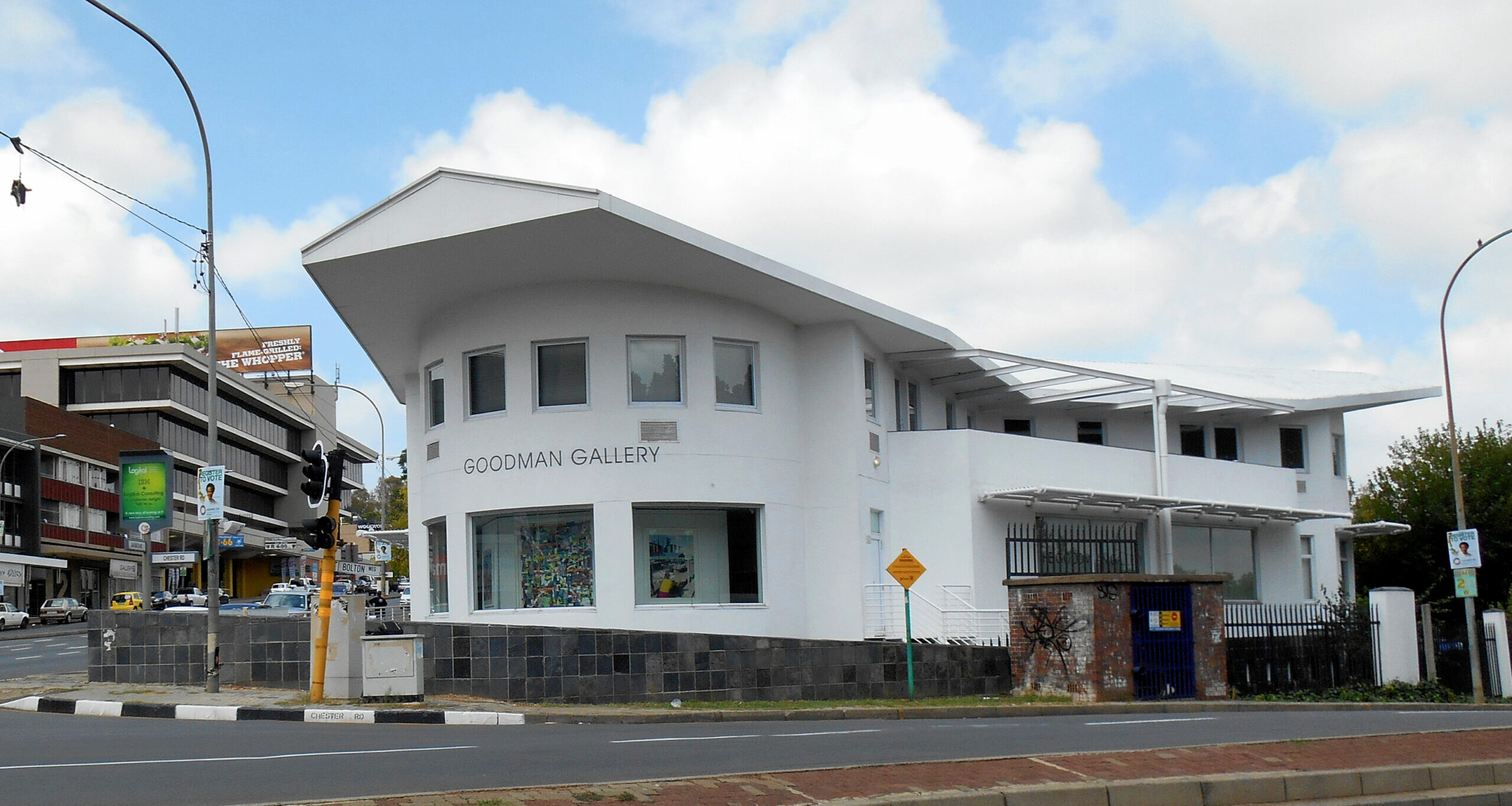

Goodman Gallery has ended its long-standing relationship with South African artist Gabrielle Goliath, shortly after she was selected to represent South Africa at the 2026 Venice Biennale.
The decision came weeks before Arts and Culture Minister Gayton McKenzie cancelled Goliath’s participation in the Biennale, citing objections to part of her proposed artwork that references Gaza.
UPDATE: Goodman Gallery responds to speculation around Gabrielle Goliath decision
Goliath, who had been represented by Goodman Gallery for over a decade, was informed on 18 December during a Zoom call with gallery owner and director Liza Essers and senior director and head curator Olivia Leahy. The call took place on the same day her solo exhibition Berenice closed at the gallery’s New York space.
Speaking to Daily Maverick, Goliath said the decision came as a surprise, particularly given the timing. She had already been confirmed as the artist selected for the South African Pavilion at Venice, a major international platform and a significant moment for both artist and gallery.
“I am still grappling with this severing of our relationship at a time in which I am facing cancellation and censure,” Goliath said.

Days later, McKenzie moved to cancel South Africa’s Venice Biennale submission altogether. According to correspondence seen by Daily Maverick, the minister objected to Goliath’s work Elegy after learning that one section addresses Israel’s military actions in Gaza. McKenzie has denied censoring the work, claiming instead that he was acting to prevent interference by an unnamed foreign government.
Elegy is a multi-part performance developed over more than a decade. It addresses gender-based violence in South Africa, the genocide of the Ovaherero and Nama people under German colonial rule, and the killing of women and children in Gaza since October 2023. The most recent iteration of the work was kept confidential until its official selection for Venice in early December.
In response, the Goodman Gallery said Goliath was one of several artists released as part of a broader “structural business review”, citing subdued international market conditions and a decision to reduce its roster from 50 to 40 artists.
The Goodman Gallery issued a formal statement on 15 January responding to the speculation around it’s decision, “These were not last-minute decisions and had been made long before the South African Pavilion at the Venice Biennale selection. Although we learnt of Gabrielle Goliath’s selection before we notified her of this change, it did not alter the business decision made.”
They further explained that Goliath relationship was ended as part of a longer-term process to ensure the sustainability of Goodman Gallery’s future. Stating that the decision was unrelated to her participation in Biennale or her artwork’s point of view. Further expressing that the gallery was not involved with Biennale decisions by the SA department of Sports, Art and Culture.
While Goodman Gallery maintains that the decision was purely economic and unrelated to the Venice Biennale, the timing of the announcement has continued to raise questions within the art community, particularly given the broader political fallout surrounding Goliath’s proposed work.
Goliath has since confirmed continued support from her Italian gallery, Galleria Raffaella Cortese, and said she has received an outpouring of solidarity from artists and curators locally and internationally.
Meanwhile, the Democratic Alliance has filed a complaint with the Public Protector, arguing that McKenzie’s actions may constitute an abuse of power and pose a broader threat to constitutional freedoms, including artistic expression.