

In today’s creative industries, social media visibility can outweigh talent. What this means for artists, and how they adapt.
Not long ago, a portfolio was simple.
You studied your craft. You built a body of work. You presented your best pieces to clients, galleries or agencies. The work spoke first.
Today, something else often speaks first: your follower count. These days, popularity often comes before creativity.
Scroll through Instagram and it becomes clear. Social media has become the portfolio. A photographer’s grid is their gallery. A designer’s page is both portfolio and CV. A comedian’s TikTok is an audition tape.
As social media becomes the new portfolio, a difficult question is starting to circulate among artists and creatives in South Africa. Are we rewarding talent, or visibility?
Even as a journalist, interview choices are often shaped by engagement. More likes suggest a potentially better-performing story. Brands follow the same logic when selecting collaborators. But where does that leave you?
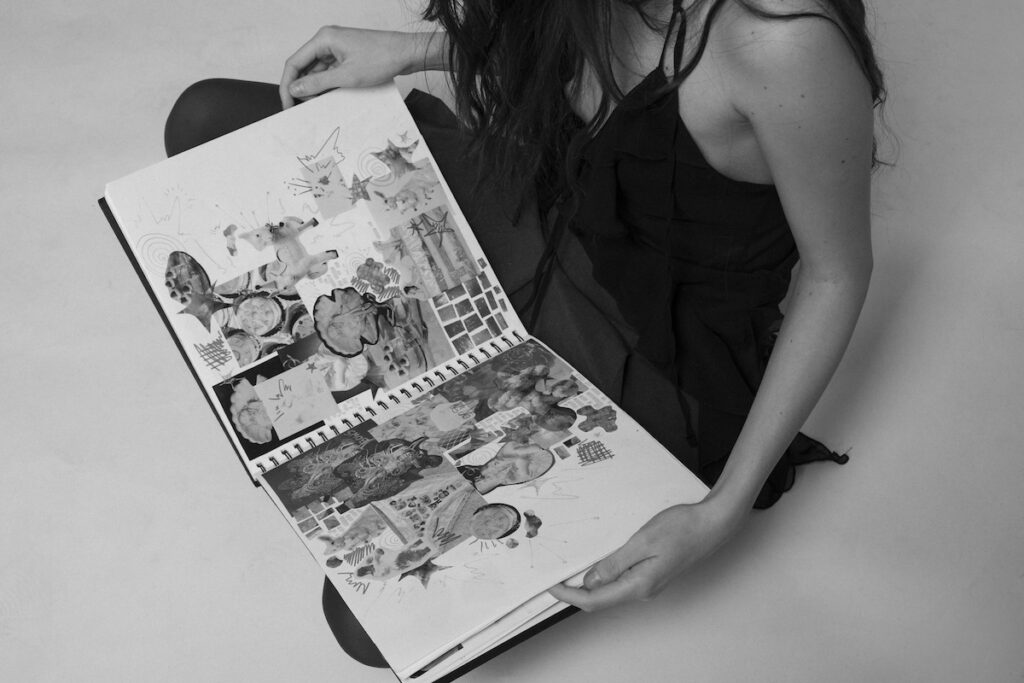
When Followers Become Currency
In many creative industries today, visibility translates directly into opportunity.
This model did not appear out of nowhere. It is how YouTubers, TikTok creators and influencers have built careers, turning attention into income. But what started in the influencer space has reshaped the wider creative economy.
Brands now choose collaborators with built-in audiences because it doubles as marketing. Casting decisions can be influenced by follower counts. Musicians, photographers, designers and comedians are often discovered through viral content.
The logic is straightforward. A large audience brings guaranteed reach.
This is why a creator making TikTok skits can move into television, while trained actors who spent years studying struggle to break through.
For many, the frustration is not just about missed opportunities. It is about a system where reach can carry as much weight as skill.
The Skills No One Taught
For many artists, especially those trained in traditional creative spaces, social media was never part of the curriculum.
Photographers learned composition, lighting and storytelling. Actors focused on performance, voice and movement. Designers studied typography and visual language. None of this prepared them to build an audience or maintain a public presence.
Today, the expectation is different. Creatives are not only making the work. They are expected to present it, promote it and stay visible across platforms like Instagram and TikTok.
But this goes beyond skill. It comes down to personality and behaviour.
Who is willing to be visible, consistently and publicly. Who is comfortable sharing, promoting and, at times, performing themselves alongside their work.
Some creatives are naturally drawn to that. Others are more private, more reserved, or less interested in turning themselves into content. That difference has real consequences.
A highly skilled artist might struggle to show up online, even if the work is strong. Meanwhile, someone with average work but a strong drive to be seen can dominate attention.
The result is an industry where visibility, confidence and persistence can carry as much weight as the work itself.
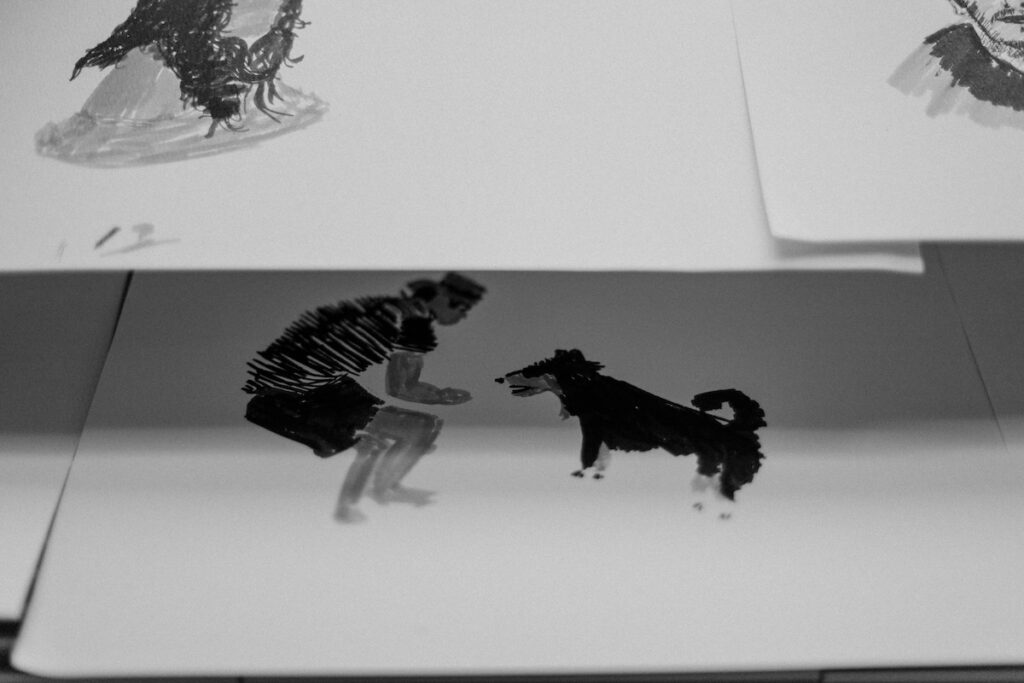
The Democratisation of Exposure
On the positive side, social media has removed many of the traditional gatekeepers.
Artists no longer need to wait for galleries, agencies or media institutions to approve their work before sharing it. Work can be published instantly, without permission.
For creatives in smaller towns, or outside traditional art centres, this has opened real access. A photographer in a remote area can now reach the same audience as someone based in a major city.
Many South African photographers, illustrators and filmmakers have built careers through platforms that did not exist a decade ago. Discovery is no longer limited to who you know or where you are based.
But that access comes with a different set of rules.
Discovery now depends on understanding a new system, one that rewards speed, consistency and shareability.
The Algorithm vs the Artist
The tension many creatives feel today sits in this balancing act between how artists work and how platforms operate.
Most artists are trained to think in terms of projects, depth and time. Work can take days, weeks or months to complete. Social media runs on a very different logic.
Platforms prioritise frequency, consistency and immediate engagement. Content that is posted regularly, keeps people watching, and generates quick likes, comments or shares is more likely to be pushed to a wider audience. Work that takes longer to produce, or asks for more time and attention from the viewer, is often shown less.
This creates a clear mismatch.
A photographer might spend weeks developing a body of work, only to find that a single behind the scenes post performs better. A filmmaker may prioritise narrative and pacing, while the platform favours short, fast clips that hold attention in the first few seconds.
Over time, the pressure is not just to share the work, but to shape it around what performs.
The risk is that creative decisions begin to follow the logic of the platform rather than the intent of the artist. Work becomes shorter, faster and more immediate, not always because it needs to be, but because the system rewards it.
For artists working slowly or exploring more complex ideas, this can become a real barrier to being seen.
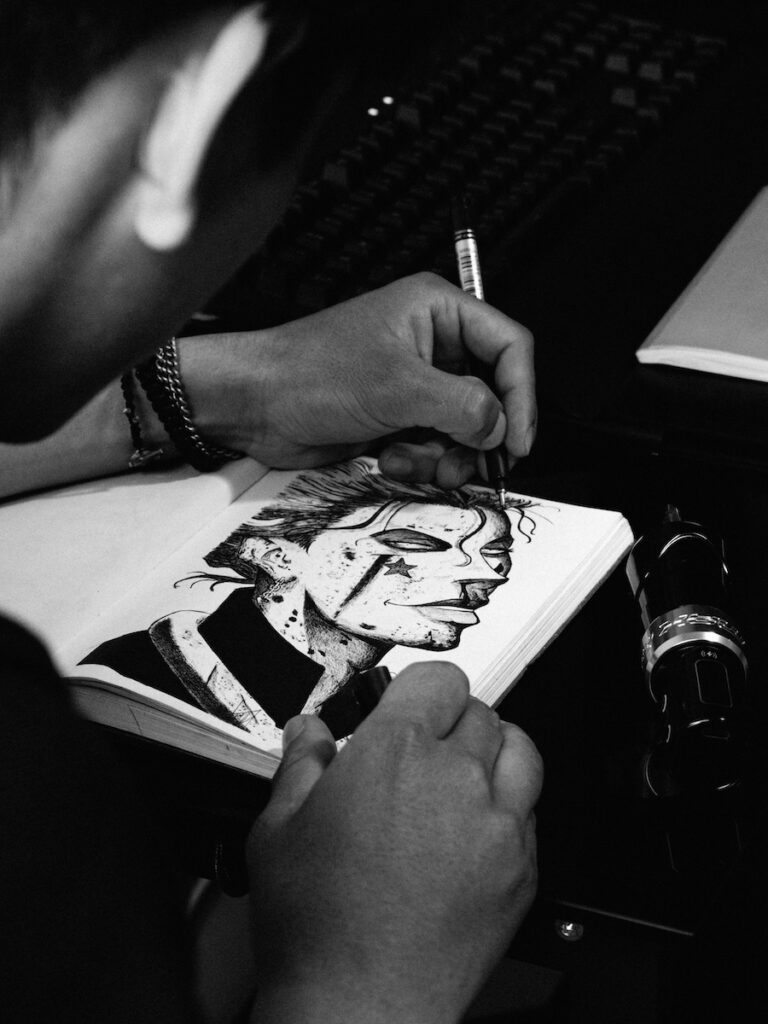
A New Creative Literacy
Perhaps the reality is this. Social media is no longer just a platform. It has become a new kind of creative literacy.
Just as previous generations had to learn how to build portfolios or navigate galleries, today’s creatives need to understand digital ecosystems. Not only how to present their work, but what to present, where to present it, and how different platforms function.
A single body of work no longer lives in one place. It is adapted. A full project might sit on a personal website. A curated selection appears on Instagram. A short-form edit or teaser circulates on TikTok. A longer conversation or process video finds a home on YouTube.
In that sense, presentation is no longer separate from the work. It shapes how the work is seen, understood and shared.
Are creative institutions preparing students for this reality?
This raises more practical questions. Are creative institutions preparing students for this reality? Should marketing and platform literacy sit alongside technical training? And for working creatives, is it still possible to rely on being discovered, or has that responsibility shifted onto the artist?
The Real Conversation
Social media is not going away. Its influence on how creative work is seen, shared and valued will only deepen.
What matters now is how the industry chooses to respond.
In this new landscape, visibility can open doors, but it also shapes what gets recognised in the first place. When attention becomes the filter, work that is consistent, immediate and easy to consume often rises faster than work that is more considered. At the same time, creatives are expected to promote, package and distribute their own work, often without formal training. This leaves the industry with a difficult question: how much weight should be given to visibility and marketing ability alongside skill and years of practice?
The definition of a portfolio is changing in real time. The question is not only whether we are comfortable with what it rewards, but how creatives adapt to remain successful within it.
* Check out our Opportunity Radar for ways to boost your career.