

How Canva is reshaping design culture, from accessibility and template trends to what it means for young South African creatives.
Design is no longer limited to studios and agencies. Today, posters, pitch decks and social media campaigns are created on phones, in classrooms and at kitchen tables.
At the centre of this shift is Canva, the drag-and-drop design platform did not only change how visual work is made but also who gets to make it.
More people are designing than ever before. But the look of design is changing too.

Design without the gatekeepers
Since launching in 2013, Canva has positioned itself as a tool for non-designers. It offers ready-made templates, built-in fonts and image libraries and brand kits that allow users to create content quickly.
Canva now has more than 220 million users across 190 countries, with tens of billions of designs created on the platform since its launch.
In South Africa, its impact is visible across the informal economy and creative sector. Small businesses use it to build their brand presence. NGOs create campaign materials without hiring agencies. Students produce portfolios and presentations without needing access to expensive software.
For many young creatives, Canva is their first design tool and because it is so easy to use and so extensive and many never feel the need to progress onto to more specialised programmes.

The template look
Accessibility has also produced a new visual language.
Scroll through Instagram or LinkedIn and familiar formats appear. Quote cards with soft gradients. Clean carousel layouts. Minimal event posters. Bold headline slides even brand ads.
Much of this comes from template libraries designed for speed and consistency.
Templates help users:
- Produce content quickly
- Maintain brand consistency
- Reduce design decisions
For social media managers and small teams, the efficiency matters. But the result is a growing sense of visual sameness.
Where designers fit now
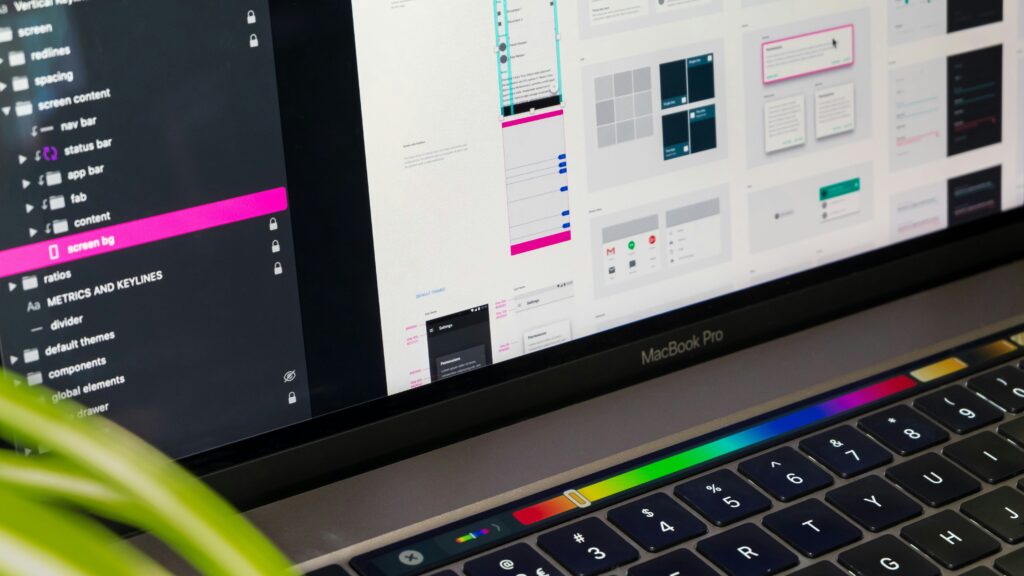
For professional designers, the Canva era brings both pressure and opportunity.
Clients expect faster turnaround and lower costs. Some also feel less of a need to engage professional designers when they and their teams can do it themselves.
At the same time, many professional studios are also using Canva for quick social content and internal materials. Plugging their specialist or unique designs into templates and pushing out work with greater efficiency.
The shift is moving the value of design away from execution and towards:
- Brand strategy
- Visual systems
- Creative direction
- Concept development
Execution is becoming easier. Thinking is becoming more valuable.
A generation learning visually
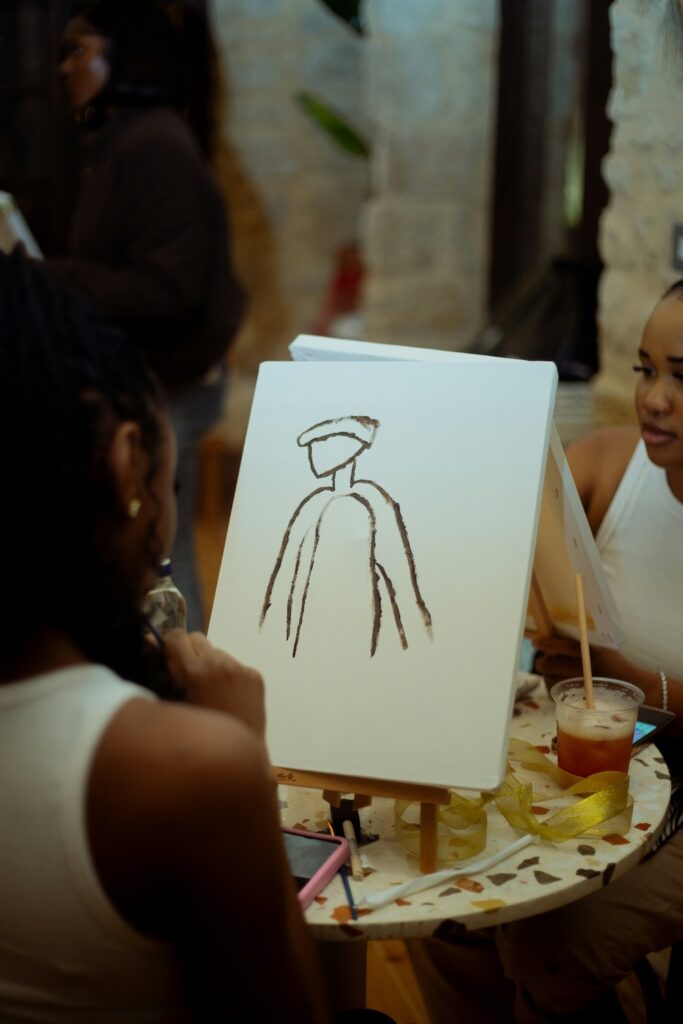
One clear shift is the rise of everyday design literacy. Young people now understand layout, hierarchy and colour simply through regular content creation. Many are already using Canva at school to make posters and presentations, becoming familiar with how to create visual moments and produce work that looks good or feels on trend. In the process, they begin to develop a visual language while learning subjects like maths, science and languages. It’s something previous generations were rarely exposed to, and its long-term impact is still unfolding.
Canva’s impact on design in a way mirrors what smartphones did for photography. The tools are accessible but in the end strong work still depends on ideas and intention and having ‘an eye’ or a feeling for what works.
Knowing how to use a template is one thing. Knowing how to build a visual identity or tell a visual story is another.
Designed for the feed
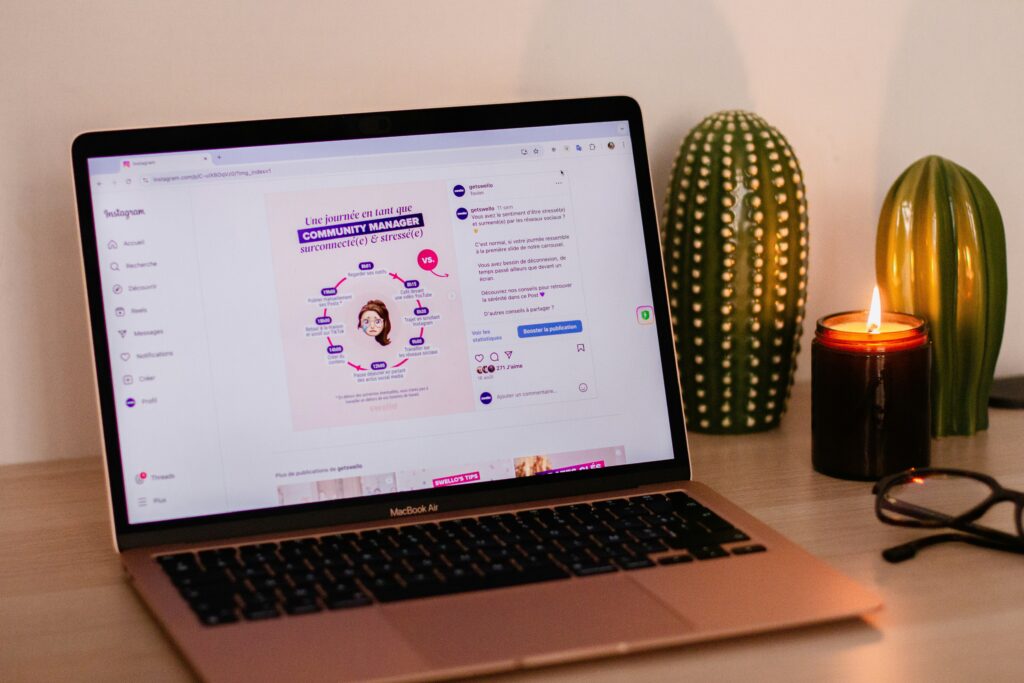
The Canva aesthetic also reflects our obsession with social media culture. Most templates are built for mobile viewing, fast scrolling and carousel storytelling.
Design is becoming more functional and content-driven. It has become a way to make content more beautiful so it performs better and is trusted more. Performance is measured through reach and trust through saves and engagement – good looking posts can improve both. Performance is no longer dependant on originality alone.
Performance is no longer dependant on originality alone.
More access, more noise
The Canva generation signals a broader shift: design is no longer a specialist skill, it is part of everyday communication.
This means more content and more competition for attention. It also raises the bar for what looks visually compelling, while bringing more people into the creative pipeline. As visual trends compete with original design for clicks, they begin to shape our expectations of design and even what we consider visually appealing.
For emerging South African creatives, Canva is now a baseline skill. What sets people apart is concept, storytelling and having a clear point of view. Some will stay inside templates. Others will push beyond them.
The tool has opened the door. What happens next depends on how far users move beyond the template and who’s behind the mouse.
* Also read: CANVA DEEPENS ITS ROOTS IN AFRICA: A NEW ERA OF ACCESS, CREATIVITY, AND OPPORTUNITY