


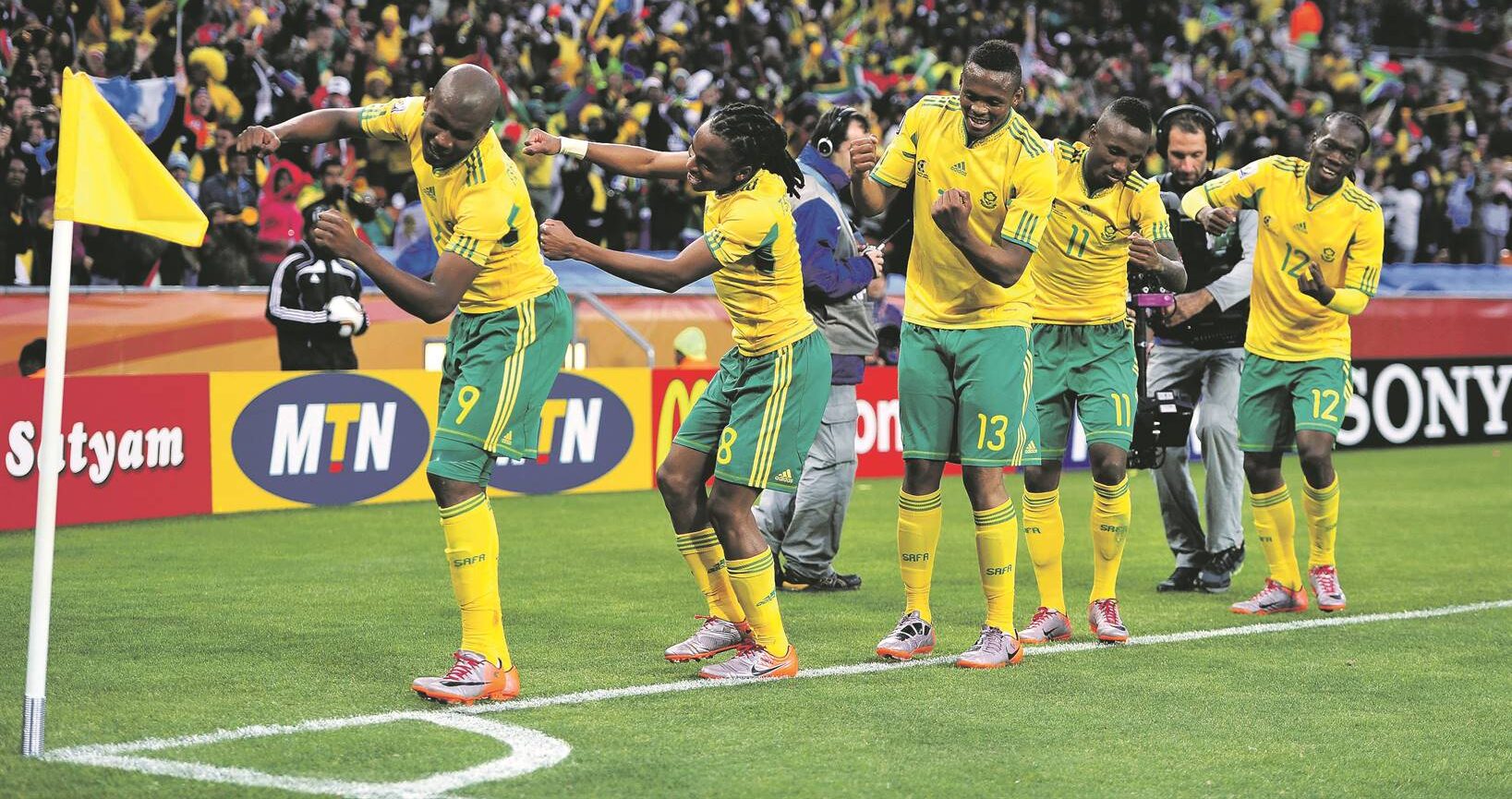

As Bafana Bafana prepare to face Mexico once again on football’s biggest stage, we look back at the goal that united a nation and became one of South Africa’s greatest sporting moments.
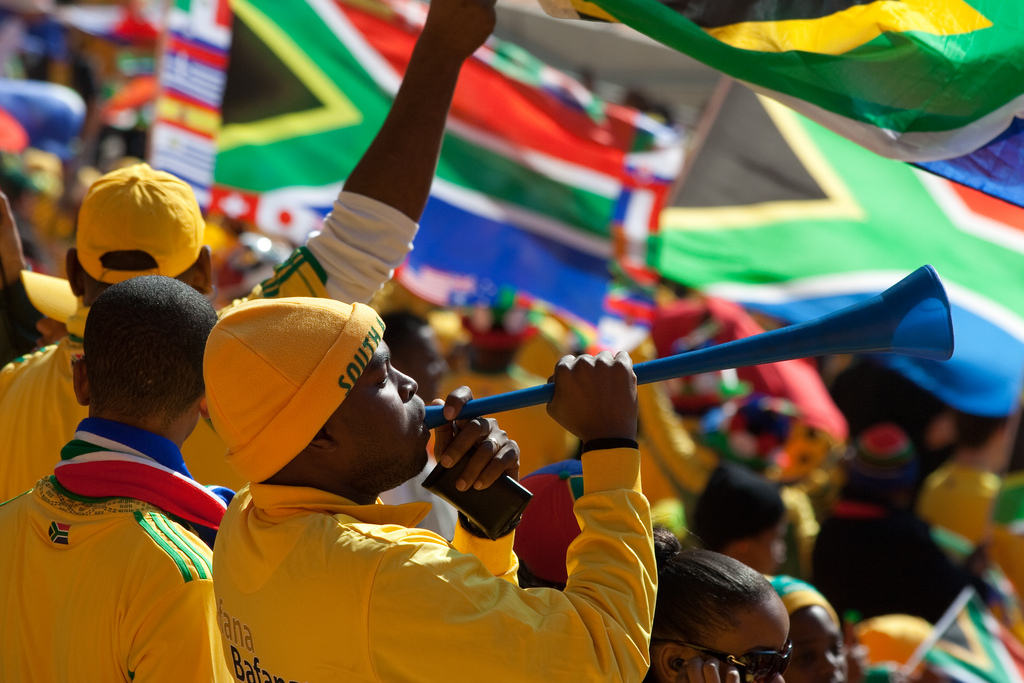
On 11 June 2010, South Africa made history as the first African nation to host the FIFA World Cup. It was a moment years in the making, carrying the hopes of a country and a continent eager to show the world what Africa could do. As the opening match kicked off at Soccer City in Johannesburg, millions of South Africans gathered around televisions, packed fan parks and filled stadium seats, all united by a sense of anticipation.
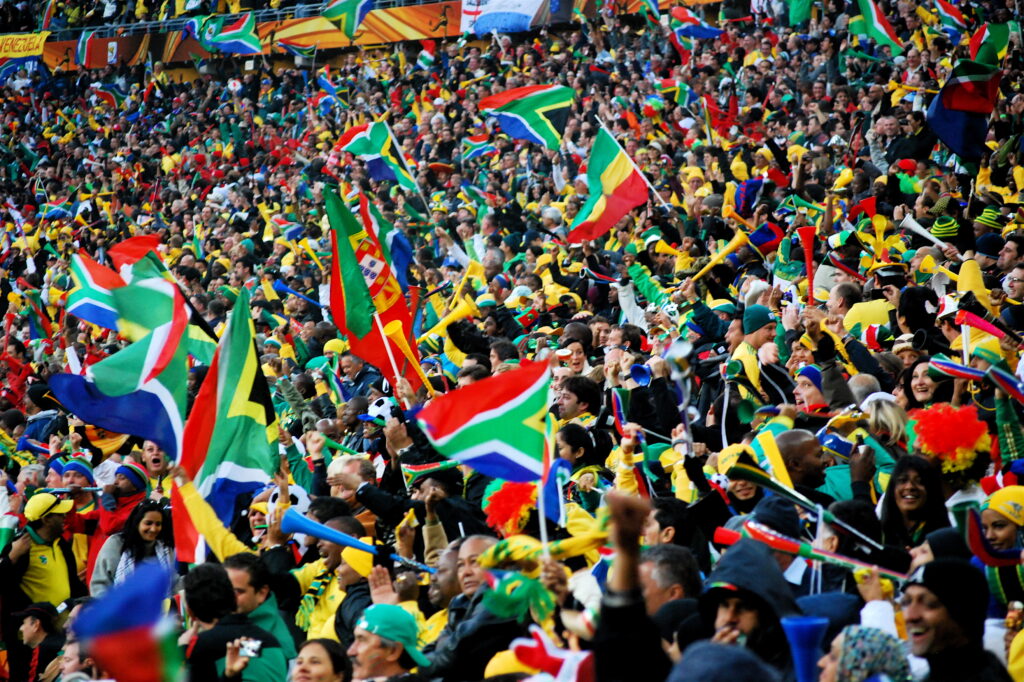
Standing opposite Bafana Bafana was Mexico.
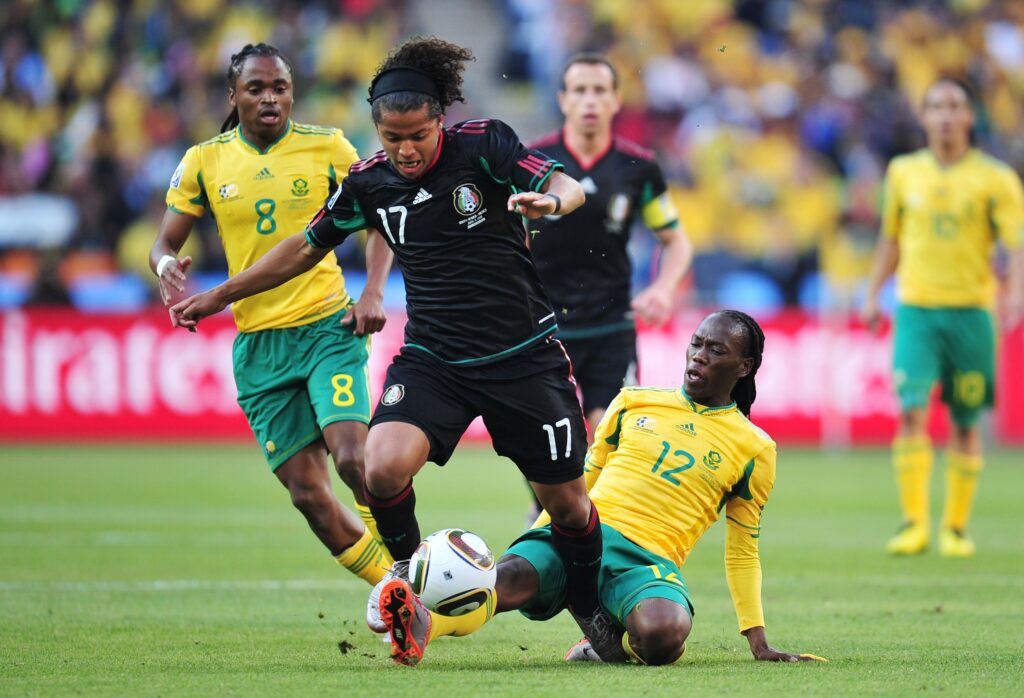
Few expected the hosts to make a deep run in the tournament, but for ninety minutes, none of that mattered. The country was simply caught up in the excitement of witnessing a historic occasion unfold on home soil. Then came the moment.
The Attack on Mexico
Just after halftime, a flowing South African attack found Siphiwe Tshabalala in space on the left-hand side. What followed remains one of the most iconic goals in World Cup history. With power and precision, Tshabalala unleashed a strike into the roof of the net, sending Soccer City into absolute pandemonium.
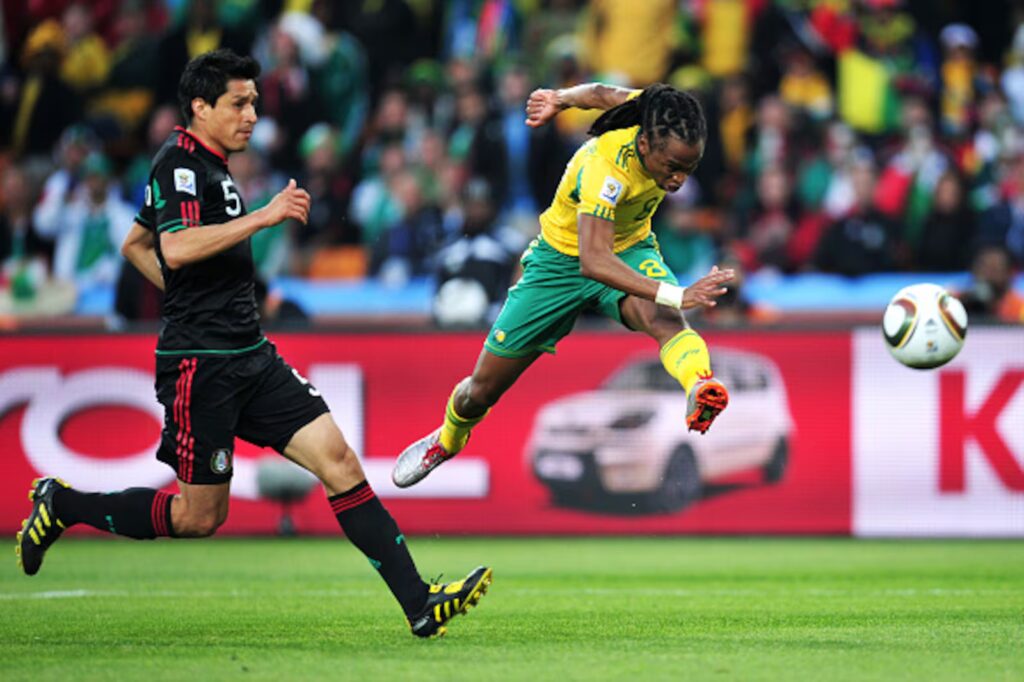
The roar that followed echoed far beyond the stadium. Across South Africa, people leapt from couches, embraced strangers and celebrated together. It was a great goal. But it was also the opening goal of the 2010 FIFA World Cup and the first scored at a World Cup hosted on African soil.
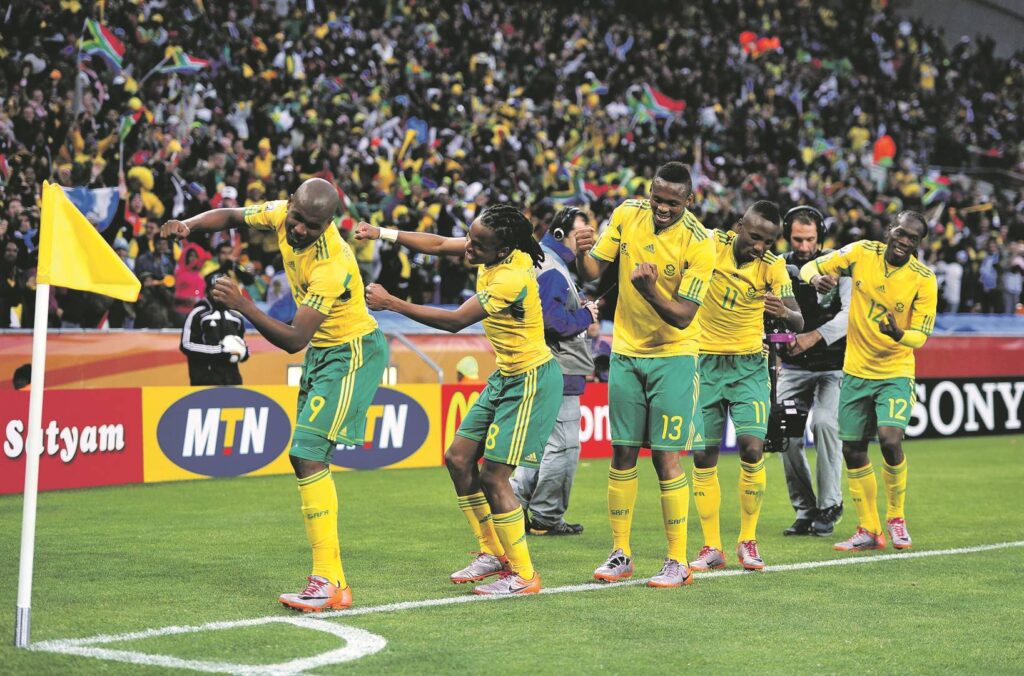
The image of Tshabalala racing towards the corner flag before being joined by his teammates in that unforgettable celebration has since become part of South African sporting folklore.Although Mexico would go on to equalise and the match ended 1-1, the result is rarely what people remember. What has endured is the feeling. For a brief moment, South Africans shared a collective sense of joy, pride and possibility that transcended football.
Sixteen years later, Bafana Bafana prepare to face Mexico once again
Sixteen years later, that goal still occupies a special place in the country’s sporting memory. It represents more than a highlight reel moment; it captures the optimism, unity and belief that defined South Africa’s World Cup. Now, football has provided a fitting twist of fate.

As Bafana Bafana prepare to face Mexico once again at the FIFA World Cup 2026, memories of that winter afternoon in Johannesburg inevitably come flooding back. The players are different, the stage has changed and a new generation of fans will be watching, but the significance of that encounter remains.

No one knows what the result will be this time around. But if history has taught us anything, it’s that the World Cup has a way of producing moments that live forever. South Africans everywhere will be behind them. Not just because of what happened in 2010, but because sport remains one of the few things capable of bringing an entire nation together.
And while another Tshabalala moment may be impossible to recreate, it reminds us that on football’s biggest stage, anything is possible.
* The FIFA World Cup 2026 kicks off this Thursday, 11 June the ceremony starts at 19:30, with the opening match between Bafana Bafana and Mexico kicking off at 21:00.