


South Africa’s most interesting brand work isn’t coming out of agencies anymore. It’s coming from the stylists, illustrators, filmmakers and digital creators who were already shaping culture before any brand came calling.
For a long time, how brands looked and sounded was decided almost entirely inside agencies. A brief would land, a campaign would get made, and by the time anything reached the public, it had passed through so many layers of approval it was hard to tell where the original idea even came from.
That’s changed and most people reading this have probably noticed.
Brands are going straight to the source now. The stylists, illustrators, filmmakers and digital creators who are already deep in the spaces brands want to be part of. In fashion, music, art, the creative internet. They’re getting the call directly. Not to execute someone else’s vision, but to bring their own.
It makes sense when you think about it. You can’t fake your way into a subculture. South African audiences, especially younger ones, are sharp enough to clock when a campaign has been built by people who’ve never actually been in the room.
The brands figuring this out are the ones going to creatives who already have skin in the game: people whose taste, relationships and cultural instincts are the whole point, not just a reference to be watered down in a boardroom somewhere.
You Can’t Buy Your Way Into a Culture
The stylist who’s been dressing Joburg’s music scene for years, the illustrator whose work has been circulating in Cape Town’s art spaces long before any brand came calling. That’s exactly who brands are trying to get close to now.
That proximity is the whole thing. It’s what gives their work a texture that brands can’t replicate by hiring a trend forecaster or briefing an agency to “feel more authentic.” When a brand collaborates with someone like that, it’s not inserting itself into culture. It’s working with someone who already lives there.
Many creators now operate like small production studios or independent creative directors, producing fast, platform-native content for TikTok, Instagram and YouTube with a clear understanding of how online audiences actually engage. Smaller, independent teams can now produce campaign-quality work that once required an entire agency floor. That’s made direct collaboration not just culturally appealing for brands, but practically viable.
When the Creative Runs the Room
The proof is in what’s already been made. Tiisetso Nhlapo‘s work with Nike didn’t just tick a streetwear box, it brought a specific point of view that sits at the intersection of contemporary African style, youth culture and fashion. That’s not something you can spec out in a brief. It comes from someone who’s been developing that visual language on their own terms.
Grace Mondlana‘s partnership with Nivea worked for the same reason. Her content didn’t feel like a brand campaign dressed up as lifestyle content, it felt like her. That’s the trust she’s built with her audience, and when a brand comes in on the right terms, that trust extends.
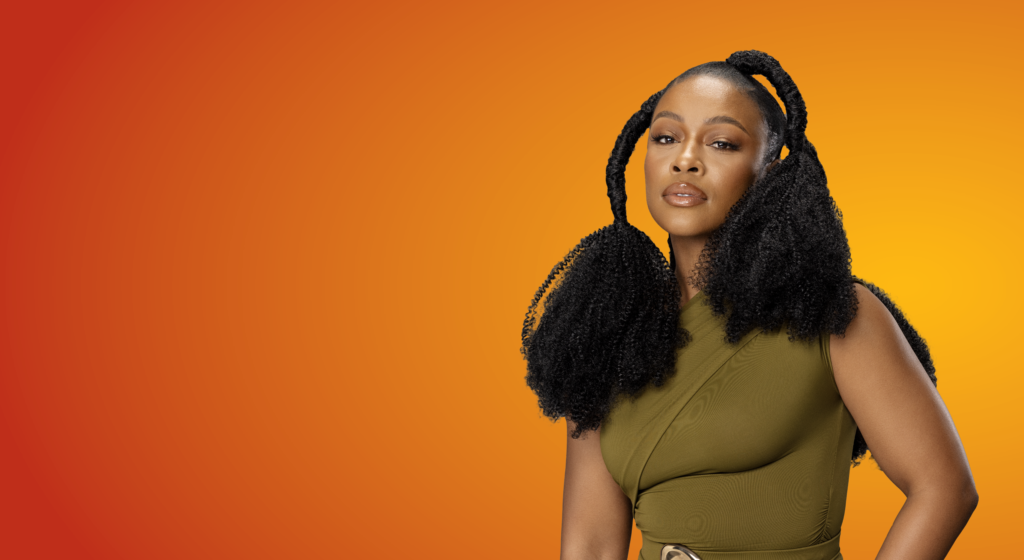
Nomzamo Mbatha‘s collaborations with Creme of Nature went further than product promotion. They pulled conversations around natural hair, identity and what beauty actually means in South Africa into the brand’s world. Conversations that were already happening, that mattered to real people, and that no amount of market research was going to replicate.
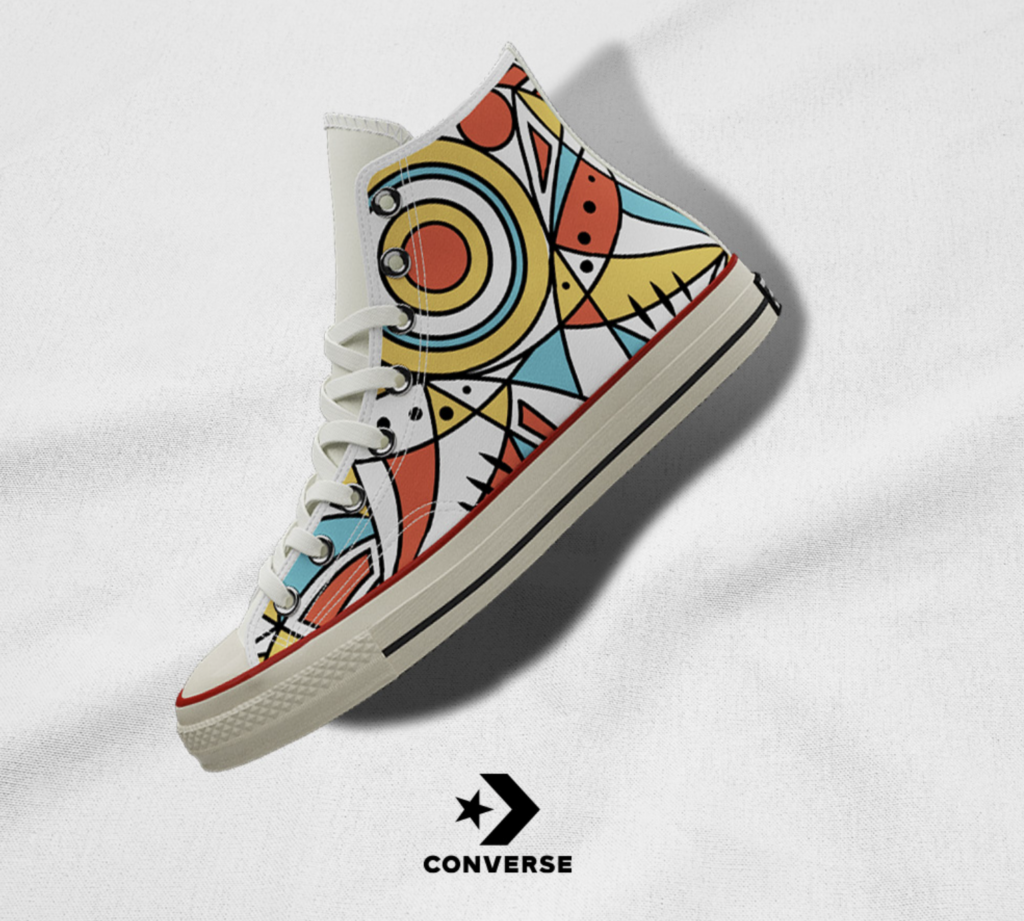
And Sindiso Nyoni bringing his visual language, rooted in African folklore and symbolism, to Converse showed what it looks like when illustration does more than decorate a campaign. It adds meaning. It gives people something to actually connect with.
In each of these, the creative isn’t there to execute. They’re there to think, to direct, to bring the thing that makes the work worth looking at.
The Money Is Starting to Follow
It’s worth drawing a line here between influencers and independent creatives because they are not the same thing. Influencers are primarily amplifiers. Their value is reach. The creatives this story is about, the stylists, illustrators, filmmakers and cultural producers, are authors. Their value is point of view.
That said, the broader creator economy they are part of is growing fast. According to the IAB’s 2025 Creator Economy Ad Spend and Strategy Report, brands globally spent $29.5 billion on creator marketing in 2024, more than double what they spent in 2021, with that figure projected to reach $43.9 billion by 2026. The same report found that nearly half of all brands now classify creator partnerships as a must-buy in their media plans, ranking them above linear TV and digital audio.
In South Africa, the recognition is there but the budgets have not caught up. IAB South Africa’s Influencer Marketing Perceptions Report found that 98% of local marketers believe creator and influencer marketing is effective, yet less than 1% of agencies are spending a proportional amount on it. That gap between belief and budget points to an industry still figuring out how to value creative work that does not fit neatly into a media buying spreadsheet.
The Internet Flipped the Script
Instagram and TikTok gave creatives a way to build without waiting for permission. You don’t need agency representation to get seen anymore. You need a consistent point of view and the work to back it up.
South African creatives have figured this out. Their feeds and profiles are functioning portfolios, client lists and cultural statements all at once. And brands are paying attention with more and more collaborations starting from a DM.
A Bigger Table, Not a Different One
None of this means agencies are going anywhere. Strategy, production, media, agencies still do that work, and do it well. But the room where creative decisions get made has more people in it now, and some of them have never worked inside an agency in their lives.
What’s actually changed is where influence sits. It’s not housed in a single structure anymore. It moves through freelance networks, through collectives, through individuals who built something real without a job title that explains what they do.
Brands that understand this aren’t replacing one system with another. They’re working with a more honest map of where culture actually lives.