


Kendall Buster and Siemon Allen in dialogue with DearRibane
What happens when a model becomes a structure, a structure becomes an environment, and the body becomes part of the architecture?
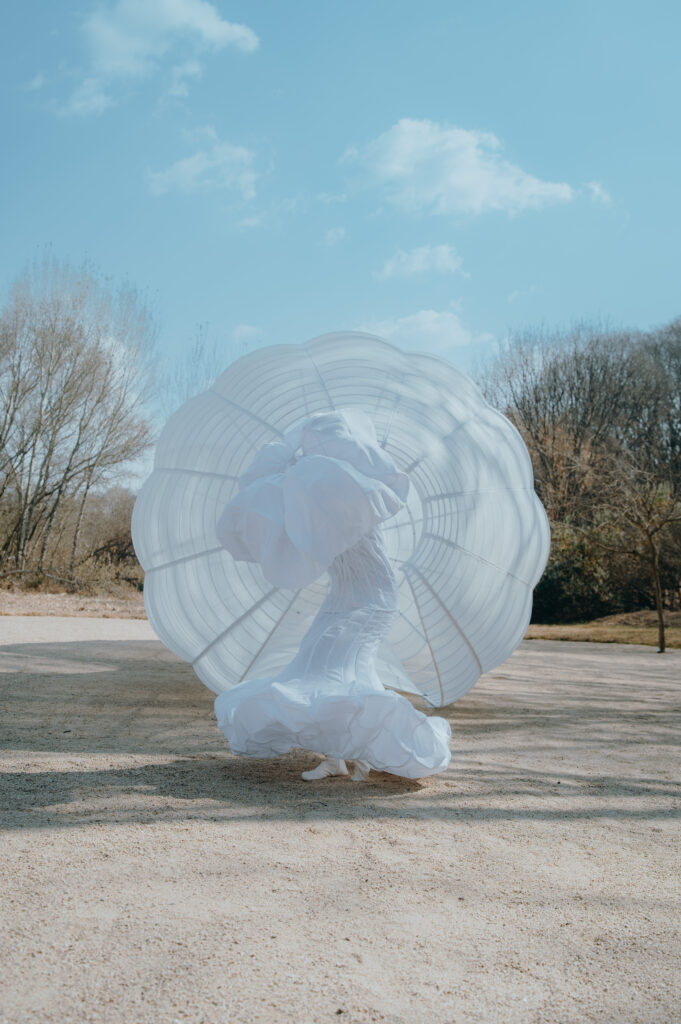
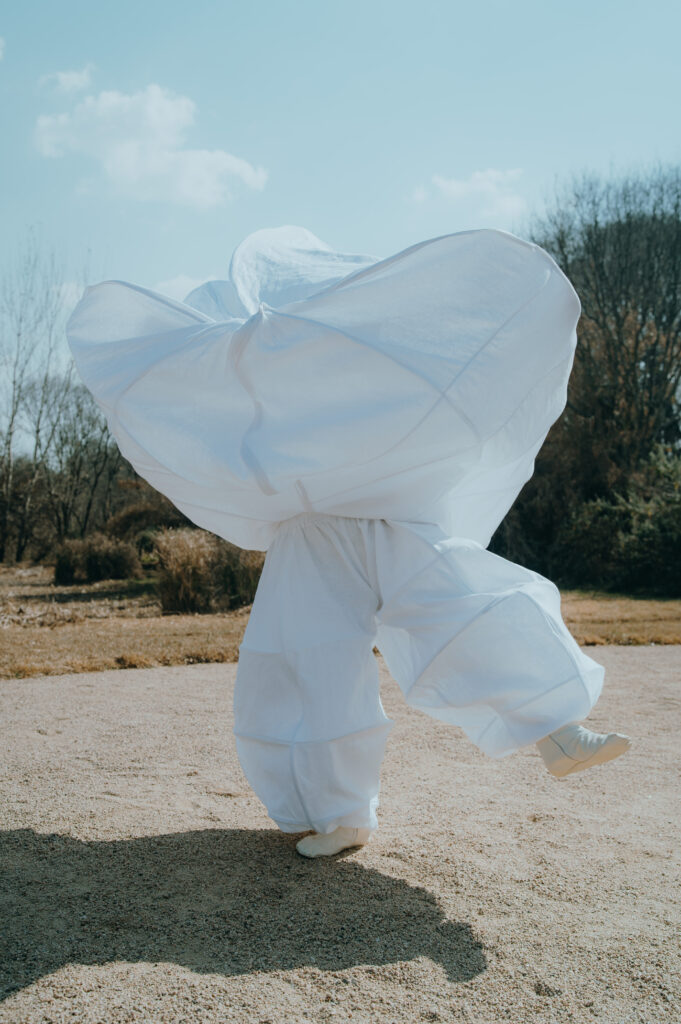
It is this movement from surface to volume, from pattern to structure, that creates a compelling point of connection with garment construction. A pattern begins as something flat before being cut, folded and assembled around the body. Architecture follows a similar logic: planes become walls, volumes become spaces, and structures begin to define how a body moves through them.
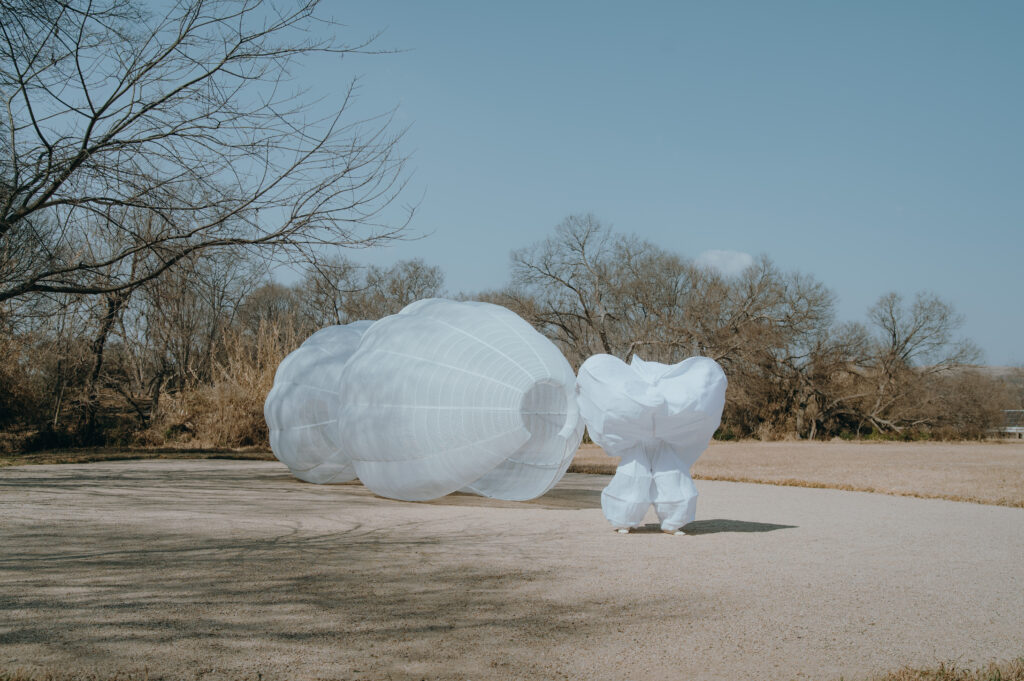
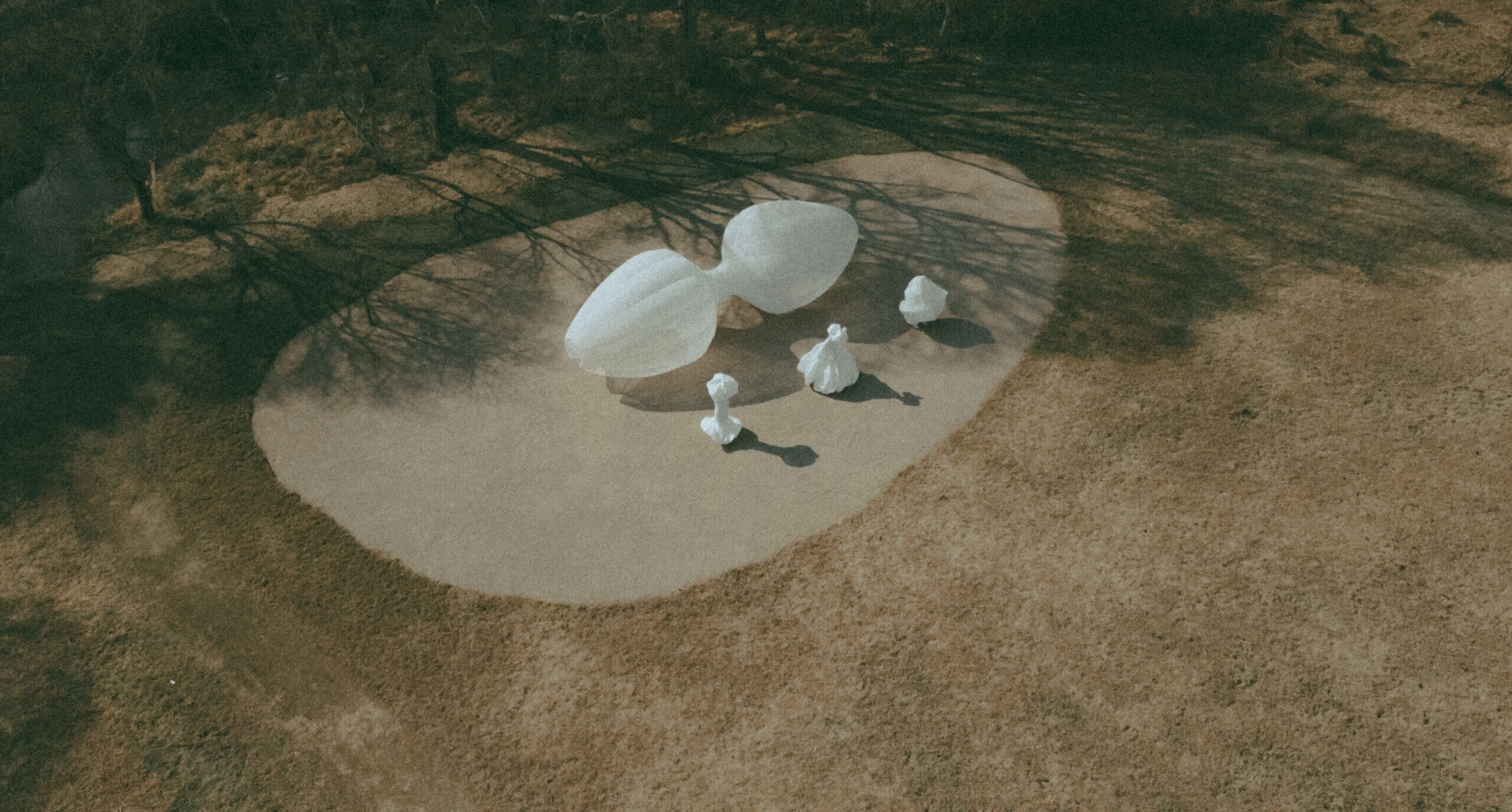
That relationship extends into Buster and Siemon Allen’s monumental semi-transparent sculpture at DearLand. Existing somewhere between shelter and enclosure, architecture and organism, the work creates a space that feels simultaneously protective and unsettling. It invites the viewer to consider the relationship between the body and the structures that contain it.
The Dialog With DearRibane
Within this dialogue, DearRibane introduces a series of sculptural garments conceived not as fashion in the conventional sense, but as extensions of the work itself.
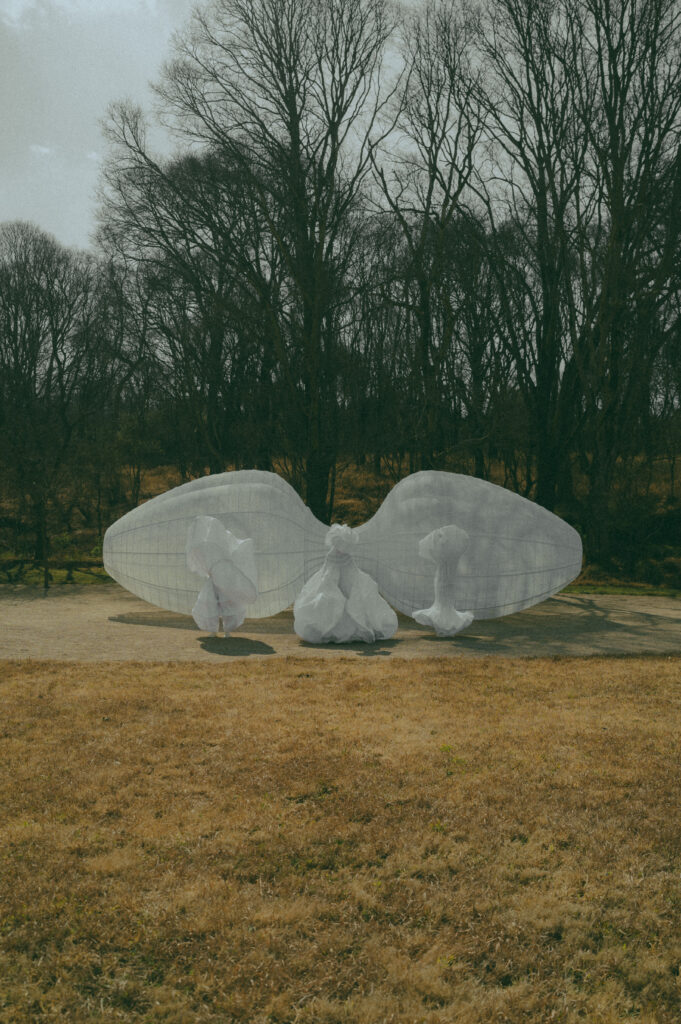
Volume becomes a language. Structure becomes a silhouette. Membrane becomes a boundary between body and environment. The garments respond to the architectural and sculptural vocabulary of Calyces, translating its ideas into forms that move with the body. Rather than simply being worn, they operate as another layer of spatial construction, objects that reshape the relationship between the wearer and the space around them.
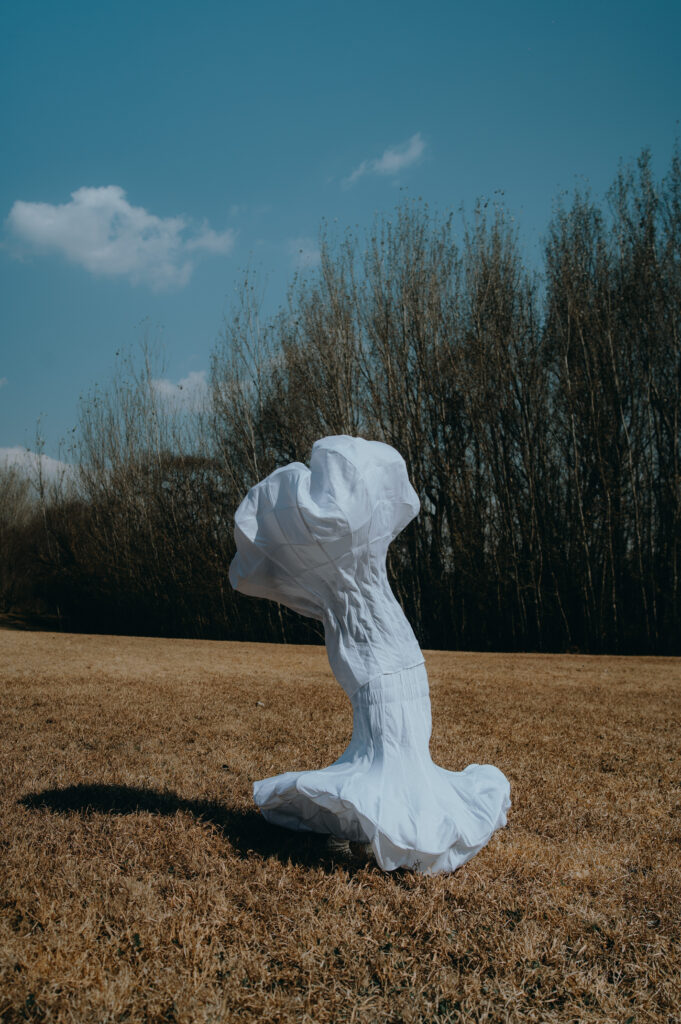
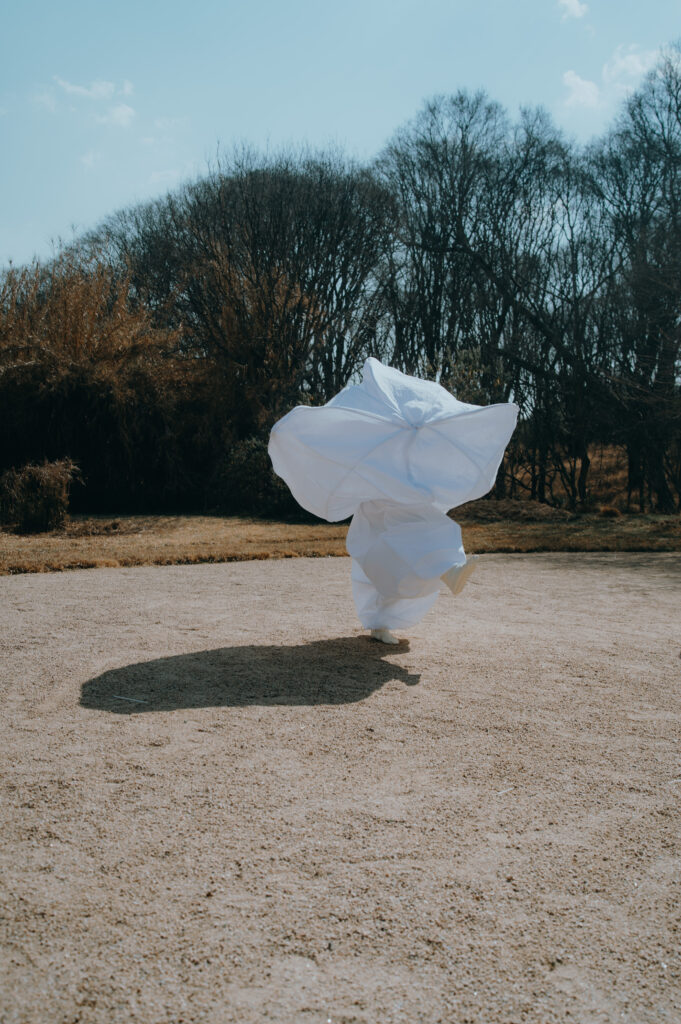
This is where the collaboration becomes particularly interesting. The conversation between Buster, Allen and DearRibane does not position fashion, sculpture and architecture as separate disciplines. Instead, it reveals the ways in which each can inform the other. At DearLand, these relationships are made tangible. The viewer encounters a work that occupies space, while the garments extend that spatial language onto the body. The distinction between object, environment and clothing begins to dissolve.
Calyces Models (2026)
Calyces Models (2026) ultimately asks us to reconsider what a model can be. It can be a study, a proposition, a sculpture or a blueprint for something yet to exist. In this collaboration, it also becomes a starting point for imagining how architecture might be carried, inhabited and experienced through the body.
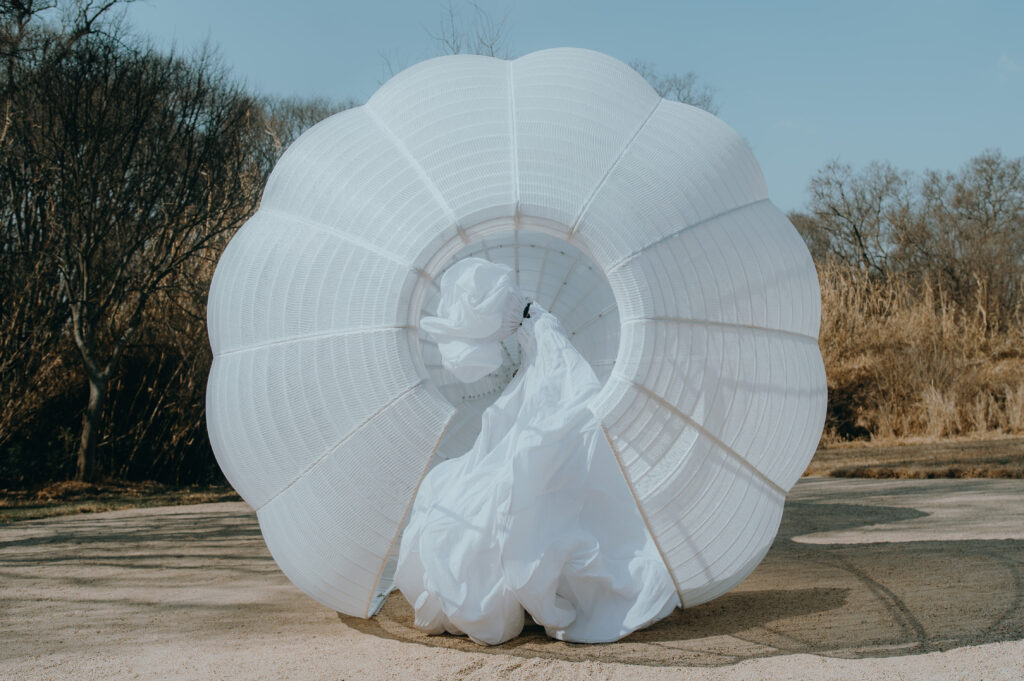
Sculpture is no longer simply something we encounter.
It becomes something we inhabit.