


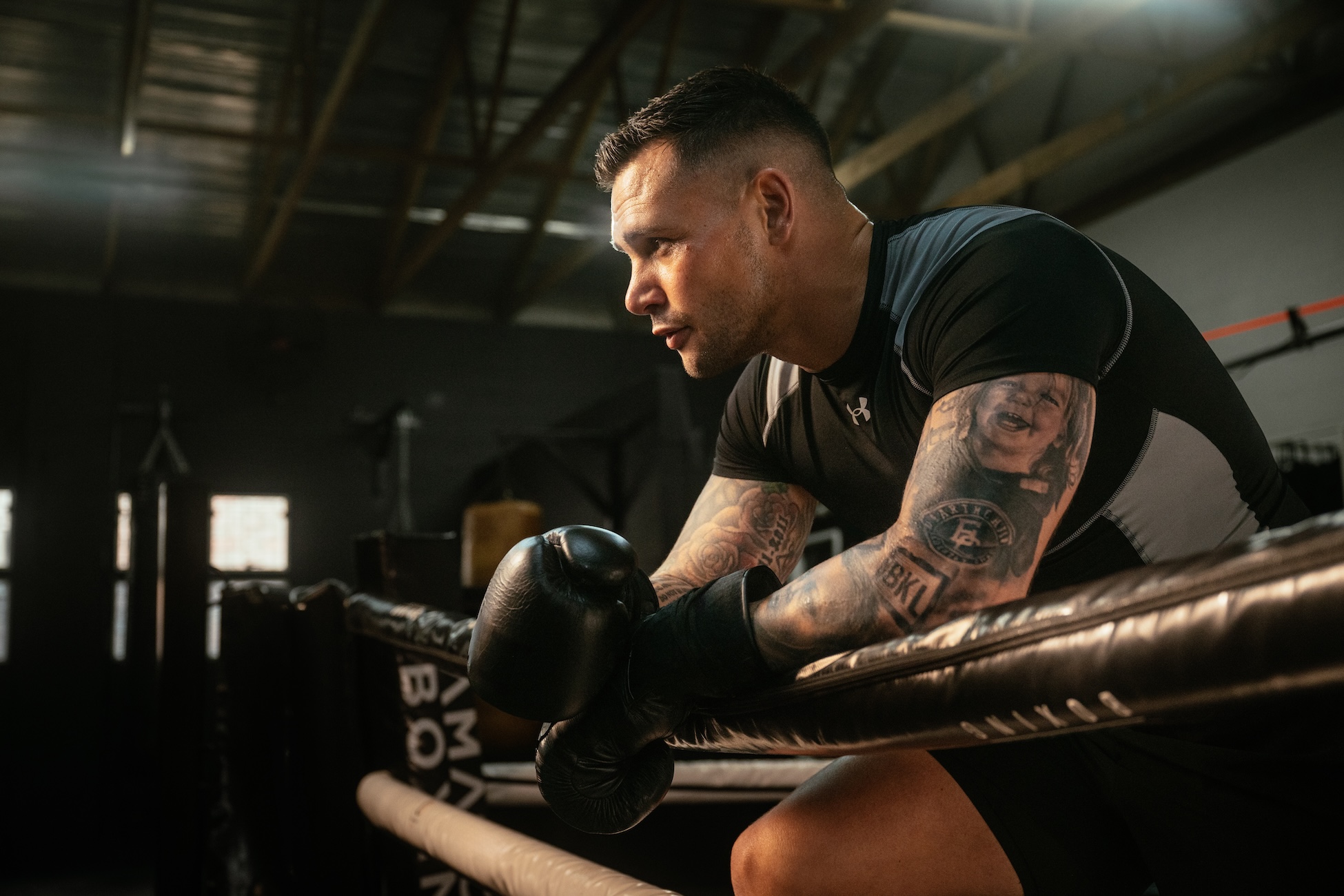

For Kevin Lerena, success in boxing is about more than winning fights. It’s about understanding the business, creating opportunities for others and knowing what matters when the gloves come off.
In professional boxing, talent and hard work don’t always guarantee success. You can put in the hours, do the work and win fights, but without the right opportunities, visibility and financial backing, a career can struggle to move forward.
South African boxer Kevin Lerena knows this from experience. He won the IBO cruiserweight world title in 2017 before moving up to heavyweight, where he challenged for the WBA world title in 2022. He later became WBC bridgerweight world champion. Now, through Aurora Boxing Promotions, the boxing promotion company he founded, he is organising fight events that give other fighters a platform to compete and earn a living.
In this one on one conversation with Between 10and5, Lerena talks candidly about the realities of professional boxing, the people and business decisions that shape a fighter’s career, and the lessons he’s learnt along the way. From a decade with Under Armour to his ambitions as a promoter and the example he wants to set for his children, this is a look at the person behind the titles.
Finding his fight
You were an elite rugby player before moving into boxing at 18. What drew you to the sport?
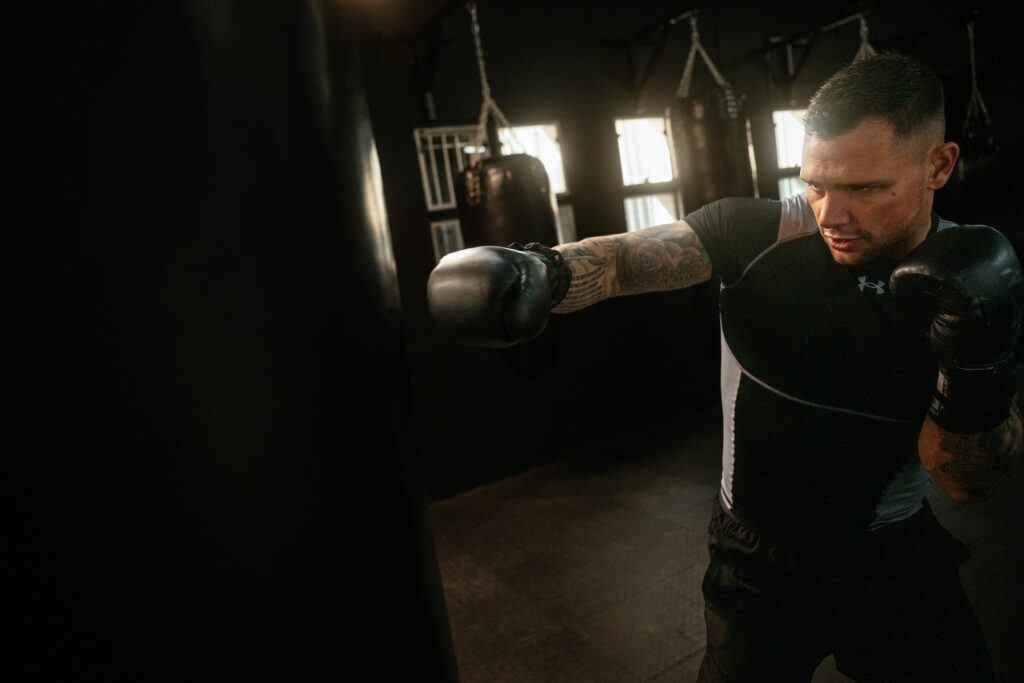
“The discipline of the sport. The discipline, because if you’re not disciplined in the sport of boxing, you’ll be found out. And I thrive on discipline and structure and routine. So getting up early and running, getting up early and training, the culture, and then obviously it’s brutal.”
“It’s the hardest sport in the world. I don’t care what anybody says. Boxing, MMA, and fighting are the hardest sports in the world. There’s another man standing opposite you. He’s trying to take your head off your shoulders. And at the same time, we’re trying to win together. We both want to win, right? There’s nothing more brutal and dangerous. In fact, it is the most dangerous sporting world in terms of deaths annually.”
How much of the fighter you are today was shaped by your upbringing?
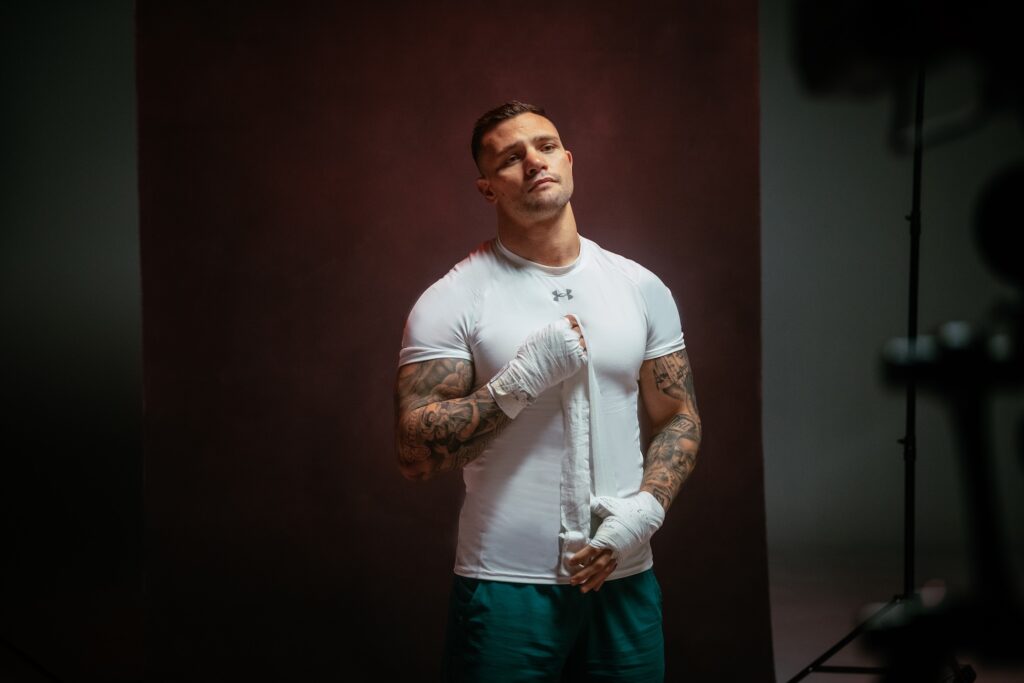
“Man. I grew up in a very normal home, you know, no privilege, nothing. I grew up with a single mom, so my whole time I was always fighting to be something and to be heard, especially in my teenage years. Before boxing, I was just a young kid who dreamed of being more and doing more. That’s the best way to put it. And by my mom being a single mom and having to bring me up, without a father and without a father figure, I kind of had to become a man very quickly.”
“Man. I grew up in a very normal home, you know, no privilege, nothing.
“I’d like to say that that’s kind of what shaped me. Before boxing, I was just a young kid with a dream, but I had a burning desire second to none. And that’s been in part an attribute to some of my success, I’d say.”
The business of boxing
Boxing is about what happens in the ring, but building a career also means understanding the business. How important is that side of the sport?
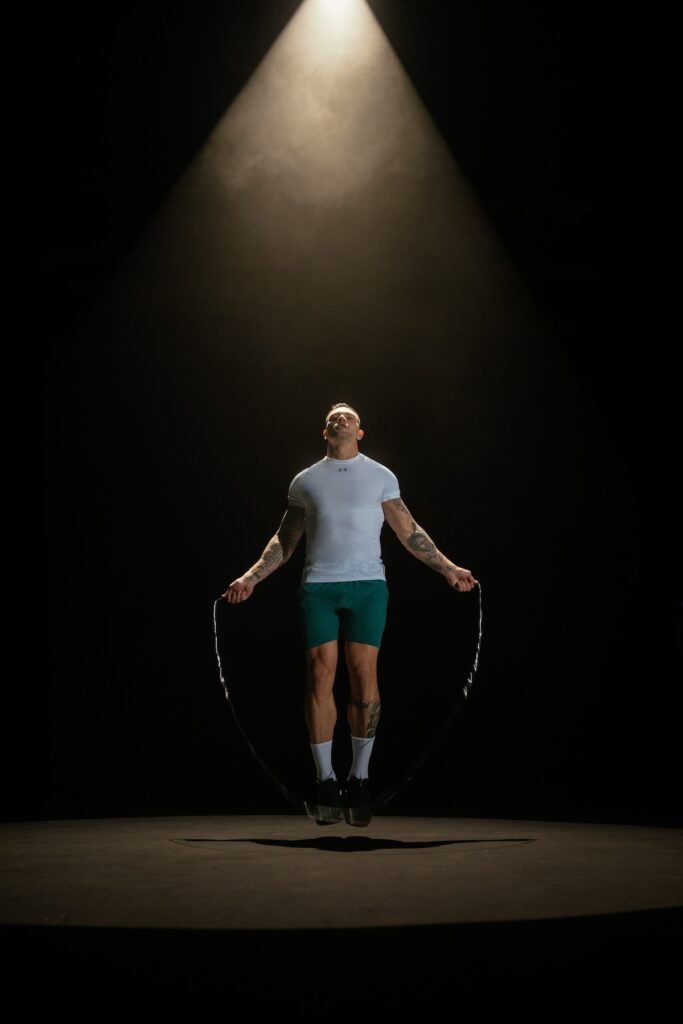
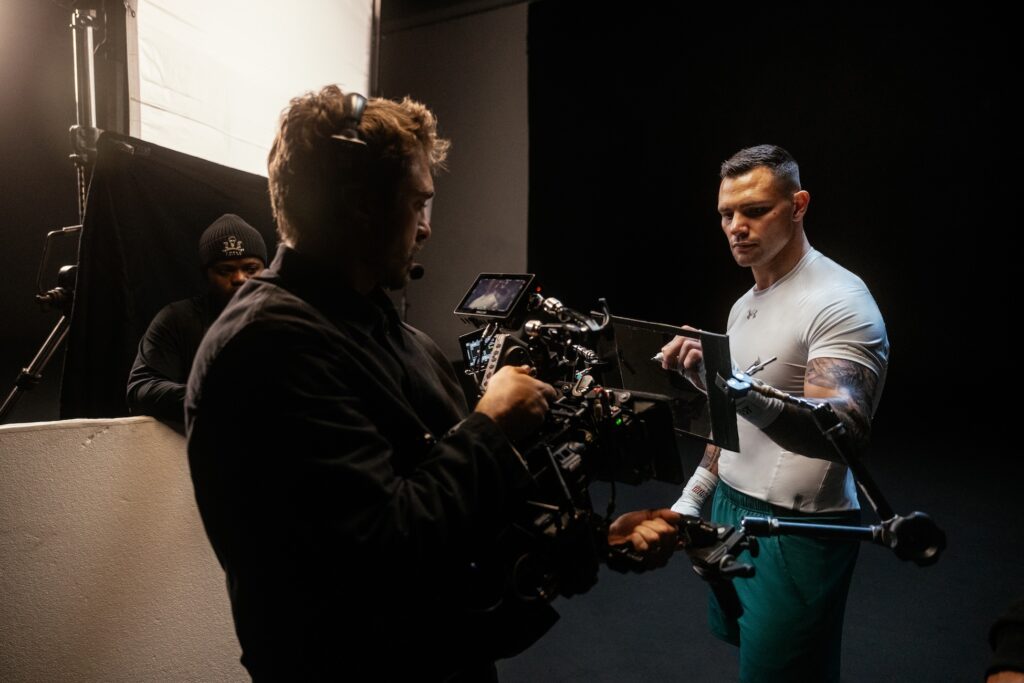
“Boxing is a culture, as a fighter it’s great to be in the gym.But then the business element is another thing. If you don’t have that star power, if you don’t put asses on seats, if you don’t put people behind televisions to tune into the networks, as good as you are, you’re not going to go anywhere, which is sad, right?”
“Look at the YouTubers and Celebrities. They’re not good boxers. They’re garbage, but they’re getting the views. They’re getting the people watching. They’re getting the people talking. They’re generating the revenue that the networks and the people require to be successful.”
What does that mean for fighters who have the skills but struggle to get the same attention?
“Whereas now you can have a South African fighter who’s a pugilist specialist, slick rick, great fighter, not the most marketable, but he’s good.”
“I learned from Floyd Mayweather. I’m very good friends with Floyd, I talk to him from time to time, but it’s been a few months since we last spoke. He’s one of the greatest of all time.”
“I learned from Floyd Mayweather. I’m very good friends with Floyd… He’s one of the greatest of all time.”
You’ve built businesses alongside your boxing career. Do you approach the two in a similar way?
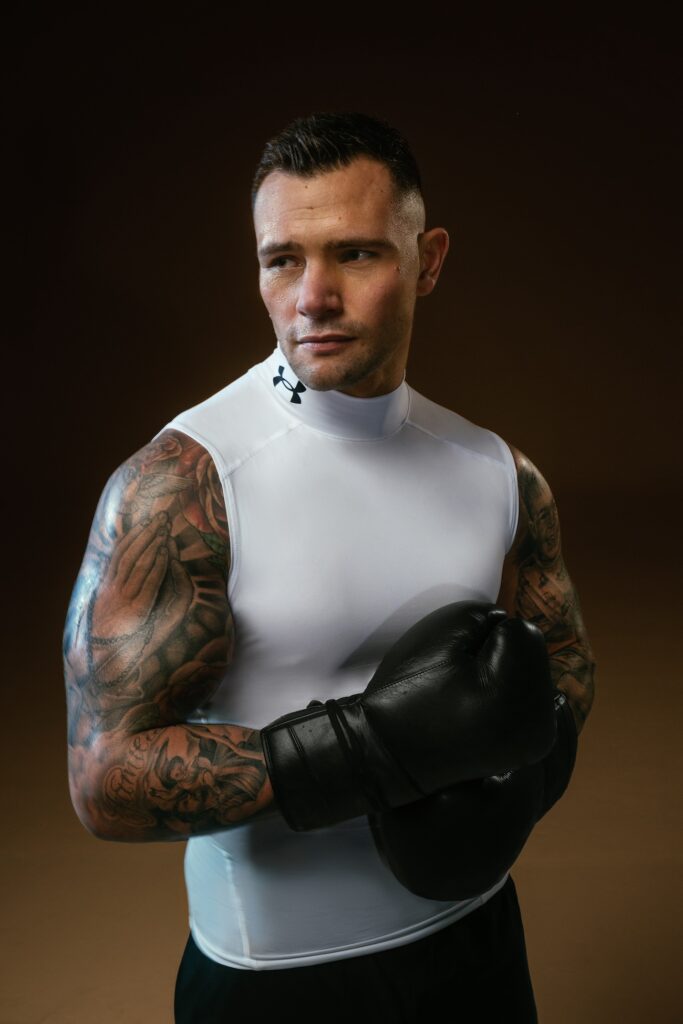
“If you’re doing business and you’re not hitting your targets and you’re not doing things differently to anybody else, you’re obsolete. So, it’s very similar in boxing. And that’s why I’m saying I’ve been able to run my boxing businesses, my boxing promotion, my gyms parallel to my career because it’s so similar. Both consume a lot of time, but you need the mindset of business in this sport. Remember, I’m maybe different from other people. Other people might say the way he runs his business is wrong. You know, you can’t run a business like that.”
“You need to do special things and be special, and for me, I think in business and in boxing it’s kind of the same. It’s like they go hand in hand. If you’re not doing special things or being heard, you’re obsolete and you’re almost non-existent. If you’re not doing good in boxing or not being heard as a brand or as an athlete, you’re obsolete.”
Changing the game for other fighters
You’ve spoken about fighters who don’t get the opportunities they deserve. Is that part of what motivated you to start Aurora Boxing Promotions?
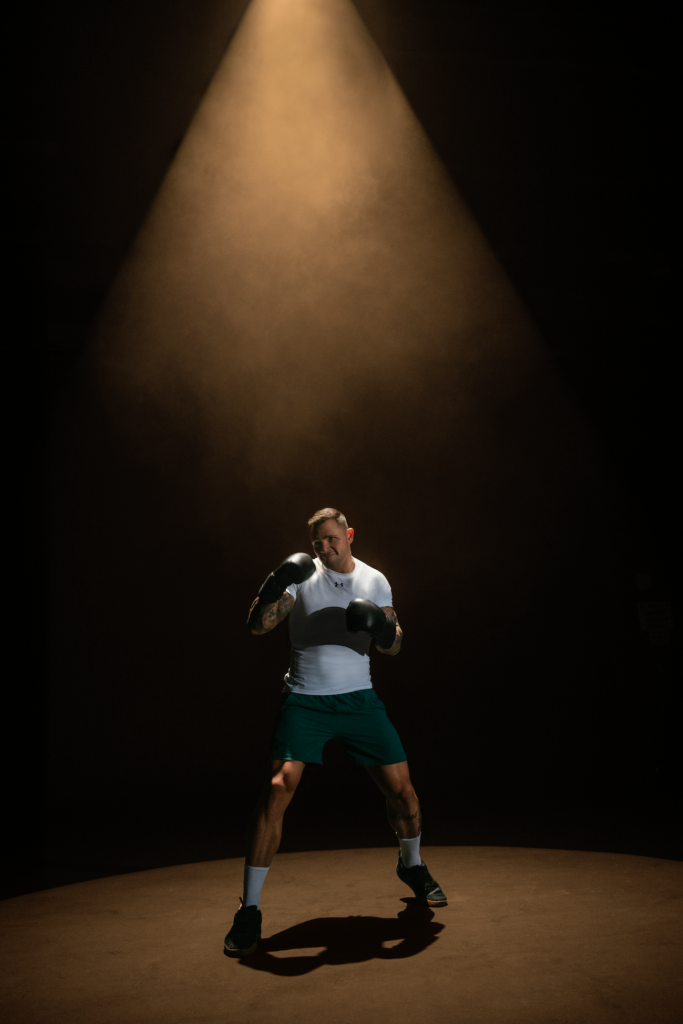
“I fought my first professional fight for R2,500. That’s what I risked my life for. And what have I done to give back? Well, I became a World Champion, representing my country, South Africa. But then bigger than that, I started my own promotional company last year, Aurora Boxing Promotions. I’ve had six events to date, six sold out events. We gave 98 fighters the opportunity to fight on our platform and earn money. That’s what I’ve done to change the sport within the borders, providing my own colleagues an opportunity to earn a living.”
“No other boxer in South Africa on the roster as in the capacity of a licensed fighter has done that. So I’m proud of that. For me, my greatest achievement, aren’t the world title belts in this office, is providing fighters, colleagues with a platform to fight on. That for me is one of my greatest achievements.”
A decade with Under Armour
You’ve been with Under Armour for 10 years, through world title wins, changes in weight division and setbacks. What has made the relationship last?
“I can only talk about Under Armour in the highest echelon globally as well as the South African team. We’ve been together for 10 years. They saw me before I became a World Champion in 2016. They partnered with me. I became a World Champion a year later. And through the highs and the lows, when I say highs, it was always highs of winning World title defenses, going up to heavyweight, fighting for the heavyweight world title, losing, coming back, winning, losing, and they stood by me along the way.”
“Being associated with a brand like Under Armour and the South African team, Mark, Megan, Gareth, Kemp, the CEO, everybody, at Under Armor have only made me feel welcome and that’s why I hold the brand in such a high regard. They backed me almost like I would say grassroot level, but it wasn’t grassroot level. It was an up and coming level and then I became a world champion and through the adversities they never turned their back on me.”
“The mantra of Under Armour, “The only way is through”, shows exactly what they did for me. We are on year 10, two-year renewal.”
Beyond the ring
Boxing demands a certain mentality, especially when you’re preparing for a fight. How different is that from who you are outside the ring?
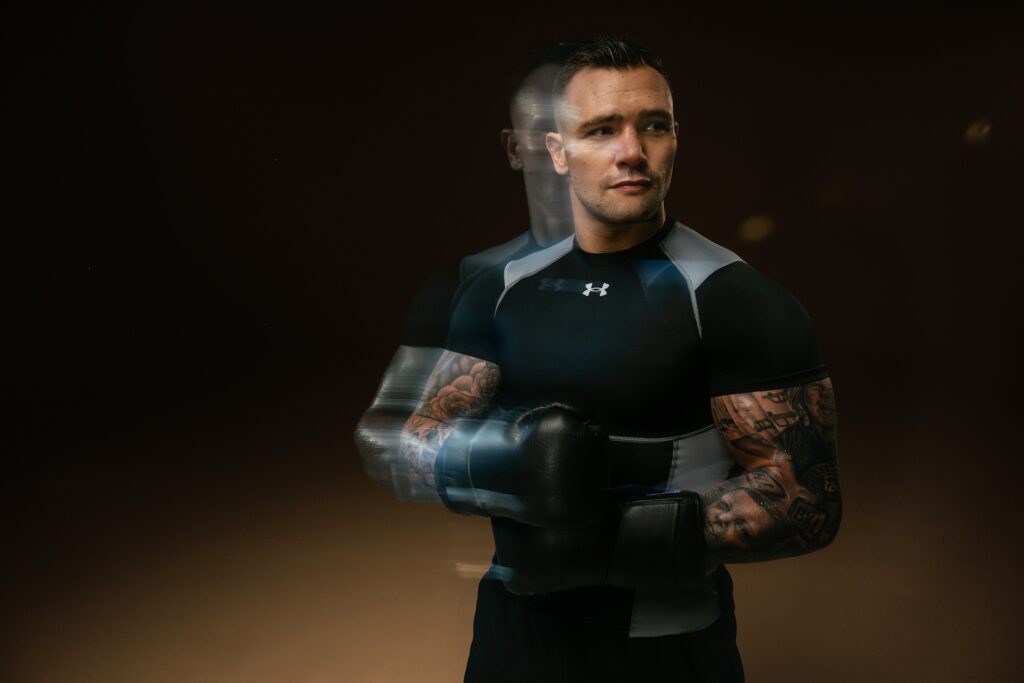
“This is who I am. It’s who I will be. And I told somebody, you know, I was a world champion. I lost my world title in May. I’m going back down to the weight division to challenge for a world title again in five months. You have your gloves on, switch on the alter ego for the fight hype. But at the end of the day, if you look beyond that, it’s just me, Kevin. Like, look into me deep. What you hear and what you see is who I am in person”
“But at the end of the day, if you look beyond that, it’s just me, Kevin. Like, look into me deep. What you hear and what you see is who I am in person”
When you think about your legacy, what matters most to you?
“Becoming a person that’s trying to beat me in the ring is one thing, but to beat me at life is going to be very hard because I have to have children who look up to me and that inspires me. That’s my legacy. Legacy is everyone’s like, “What do you want to leave behind?” I said, “Leave what?”
“Legacy is a word and a name people say and use to build themselves up. I don’t care about that. I care about what my children think of me. That’s my legacy.”
“Legacy is a word and a name people say and use to build themselves up. I don’t care about that. I care about what my children think of me. That’s my legacy.”