


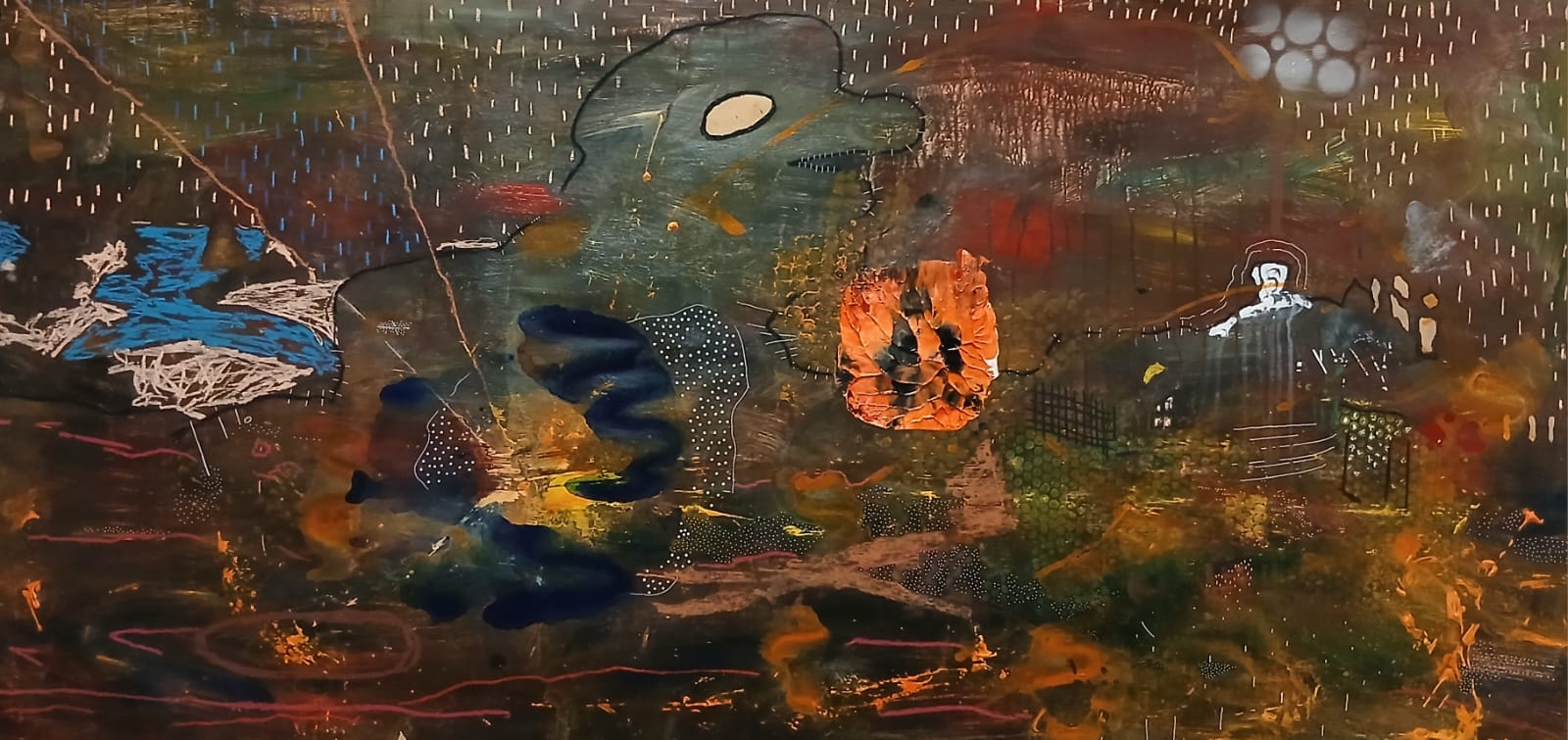

From layered prints exploring migration and belonging to ceramic sculptures shaped by memory, four emerging artists are developing distinctive ways of telling stories about identity, history and place.
The work of four emerging South African artists will come together in Tiriparwendo, an exhibition opening at Hub Gallery in Cape Town on 12 November 2026. Featuring Bekezela Mabena, Luxolo Theophilus Witvoet, Mpumelelo Samantha Maseko and Viola Greyling, the exhibition offers a closer look at a generation of artists exploring what it means to navigate identity, memory and belonging in contemporary South Africa.
All four artists are part of the Creative Block programme run by Spier Arts Trust. Their practices span printmaking, painting, collage and ceramics, with each bringing a distinct perspective to the themes that connect their work.
Here are four artists worth paying attention to.
1. Bekezela Mabena
Johannesburg-based artist and printmaker Bekezela Mabena uses bold colour and layered mark-making to explore identity, migration and the search for belonging.
Born in Tembisa in 1996, Mabena’s experiences moving between South Africa and Zimbabwe inform much of his practice. Questions around home, displacement and cultural identity appear throughout his mixed-media prints and paintings.
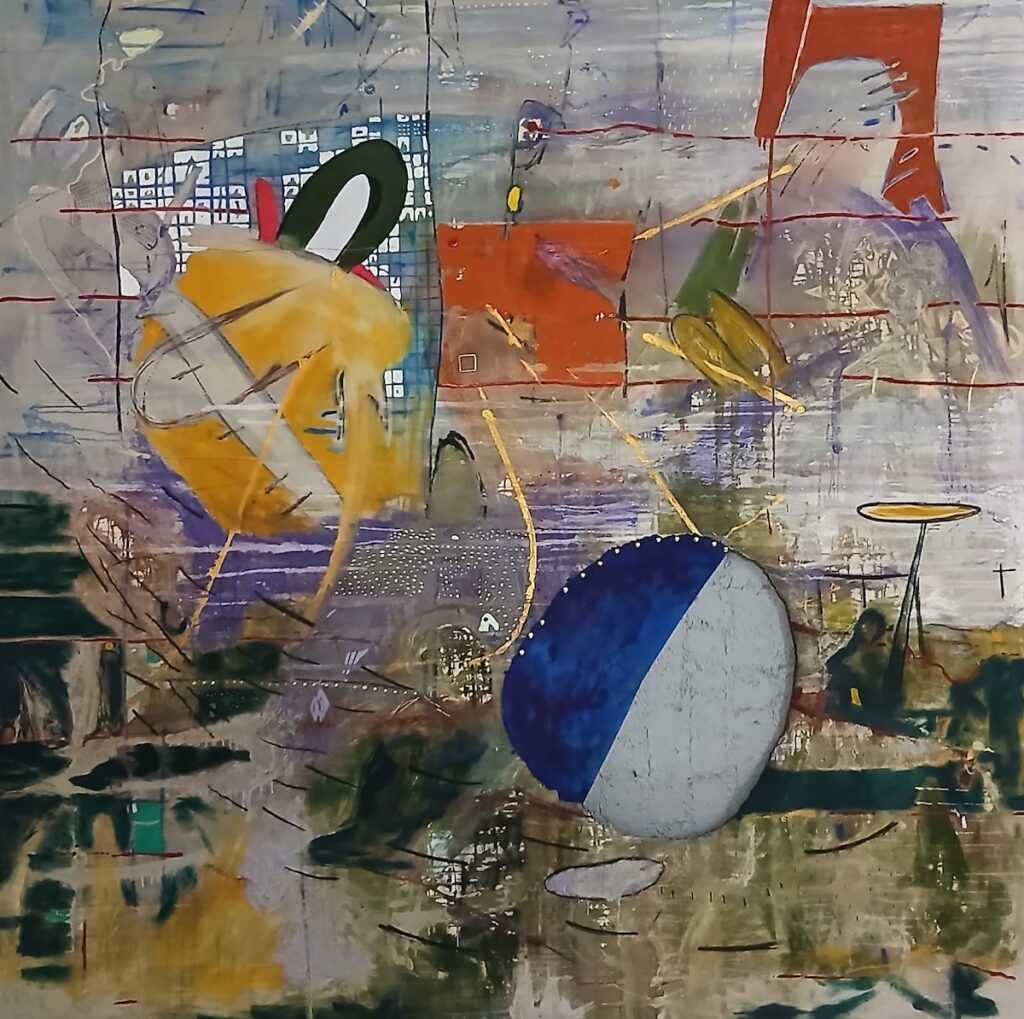
Rather than treating belonging as something fixed, his work considers how it is shaped by movement, personal history and the places we carry with us. Through his use of layered imagery and colour, Mabena creates visual narratives that reflect the complexities of navigating more than one cultural identity.
His work is particularly interesting for the way it brings personal experiences of migration into a broader conversation about identity and home.
2. Luxolo Theophilus Witvoet
Self-taught multidisciplinary artist Luxolo Theophilus Witvoet moves between digital image-making and traditional painting, creating layered works that revisit everyday South African life and visual history.
Born in Qonce (King William’s Town) in 1994 and raised in Cape Town, Witvoet draws inspiration from township life and the people and experiences that have shaped his surroundings. His subjects include commuters, musicians, family members and everyday figures, alongside references from the South African visual archive.
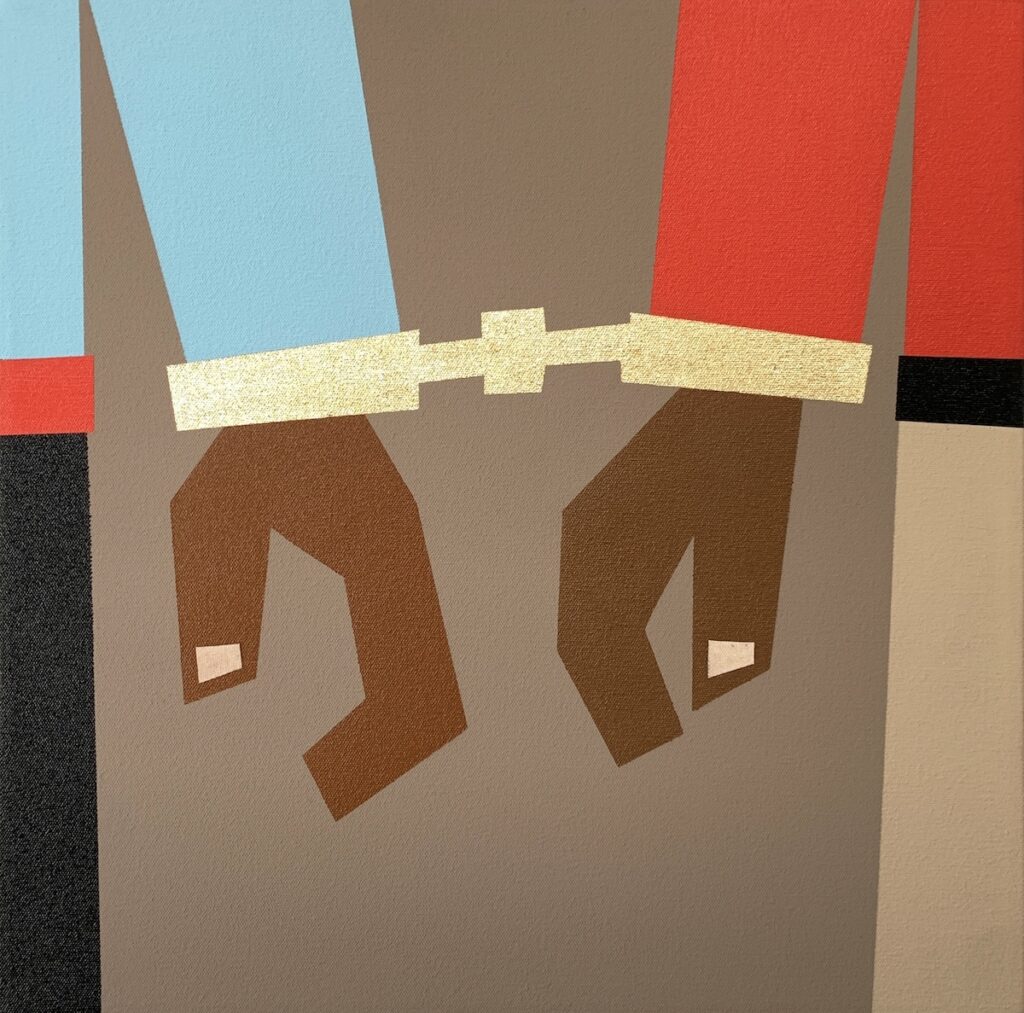
His process is as distinctive as his subject matter. Working with acrylic, tobacco ash, flashband, gold leaf and cut-out canvas, Witvoet translates digital figures into tactile, textured compositions.
By bringing digital and traditional approaches together, he creates a contemporary visual language that looks at how people, places and histories are represented. His work offers a fresh perspective on familiar subjects, while questioning how collective memory and personal experience shape the images we hold onto.
3. Mpumelelo Samantha Maseko
For Johannesburg-based artist Mpumelelo Samantha Maseko, storytelling is central to exploring Black femininity, identity and the process of becoming.
Born in Boschfontein, Mpumalanga, in 1997, Maseko works across oil painting, collage, assemblage, mixed media and printmaking. Her multidisciplinary approach allows her to move between materials and forms, building works that reflect the different ways personal stories can be experienced and expressed.
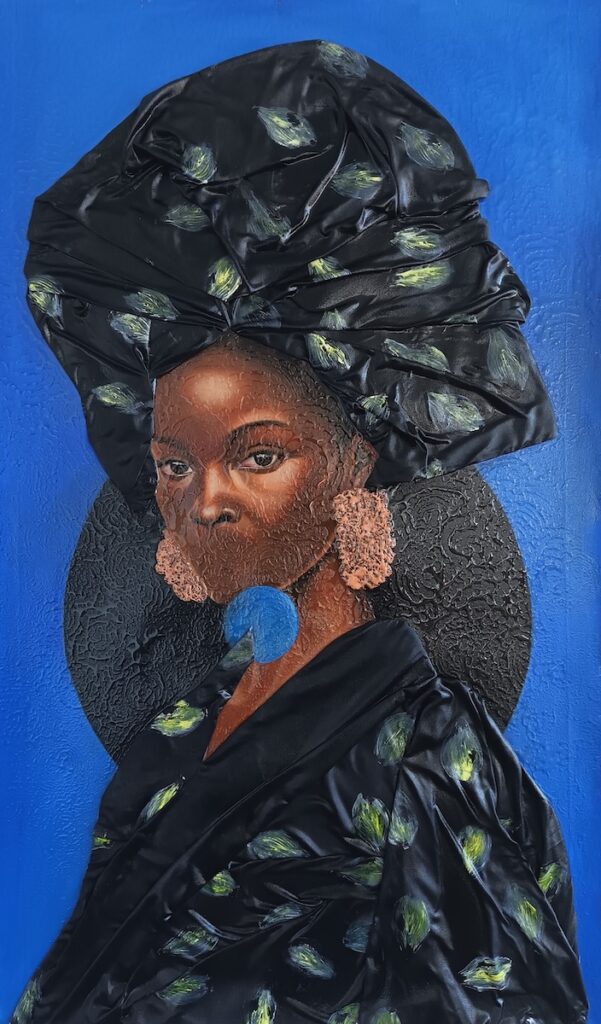
Her practice is rooted in introspection, with a particular focus on how Black women see themselves and define their own identities. Rather than relying on established narratives, Maseko positions Black women as the authors of their own stories and myths. They are complex, powerful and continually evolving.
Her work is worth watching for its exploration of representation and self-definition, as well as the way she uses different materials to communicate stories that are deeply personal but speak to wider experiences.
4. Viola Greyling
Pretoria-based ceramic artist and educator Viola Greyling explores identity, memory and belonging through sculptural forms that draw on natural structures and the traces left by movement.
Born in 1996, Greyling’s practice is informed by experiences of migration and displacement. She looks at the physical and emotional spaces people occupy when moving between places, generations and versions of themselves.
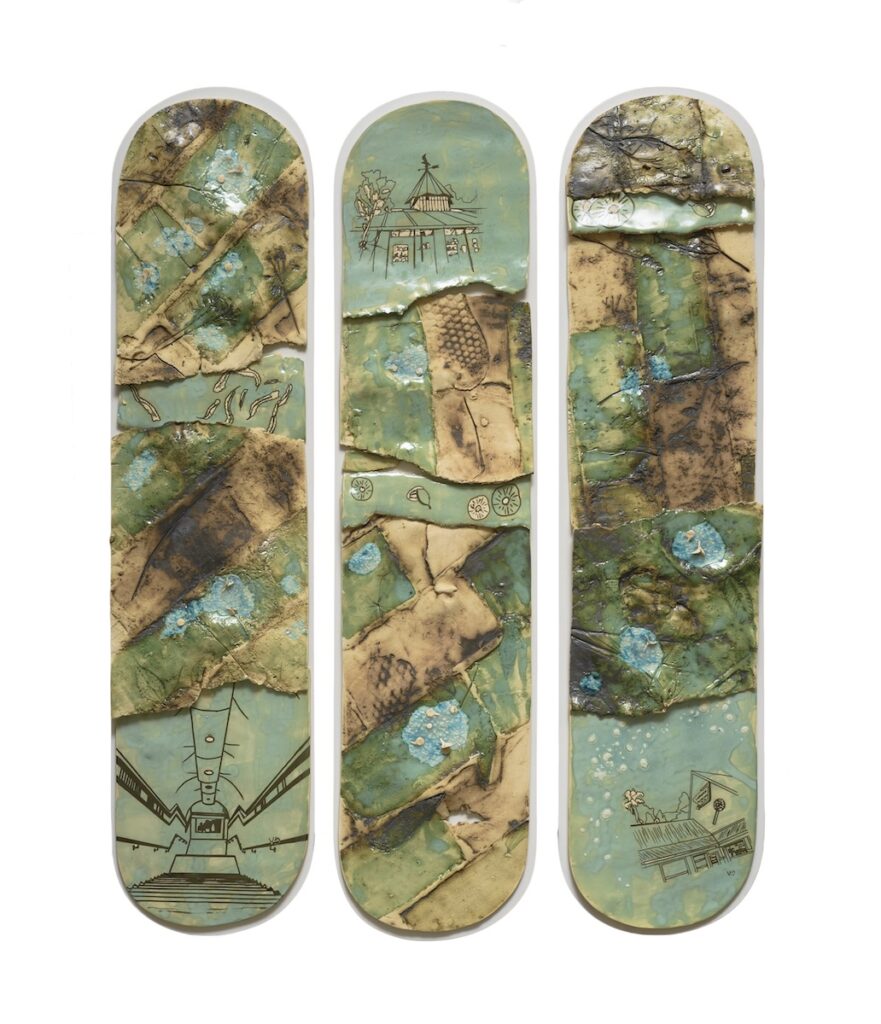
Her ceramic works take inspiration from natural forms such as stalagmites and seeds, alongside impressed textures that become part of the finished surfaces. She also incorporates packaging materials pressed into clay, using their imprints as markers of place and references to the environments people inhabit.
The result is a body of work that considers identity as something layered and continually shifting. Through the combination of organic structures, textures and found materials, Greyling gives physical form to the often intangible experience of belonging.
Her approach to ceramics moves beyond the decorative, using the medium to investigate personal history and the relationship between people and place.
See their work
The four artists will exhibit their work in Tiriparwendo at Hub Gallery, Cape Town, from 12 November 2026 to 22 January 2027.
The exhibition forms part of the annual Nando’s Creative Exchange (NCX), a professional development programme administered by Spier Arts Trust that supports emerging and mid-career artists through mentorship and opportunities to develop new bodies of work.
The exhibition opens at 17:30 on 12 November at Hub Gallery, Union House, 25 Commercial Street, Cape Town.
The gallery is open Monday to Friday, 09:00 to 16:00.
- Find out more about the Spier Arts Trust.