

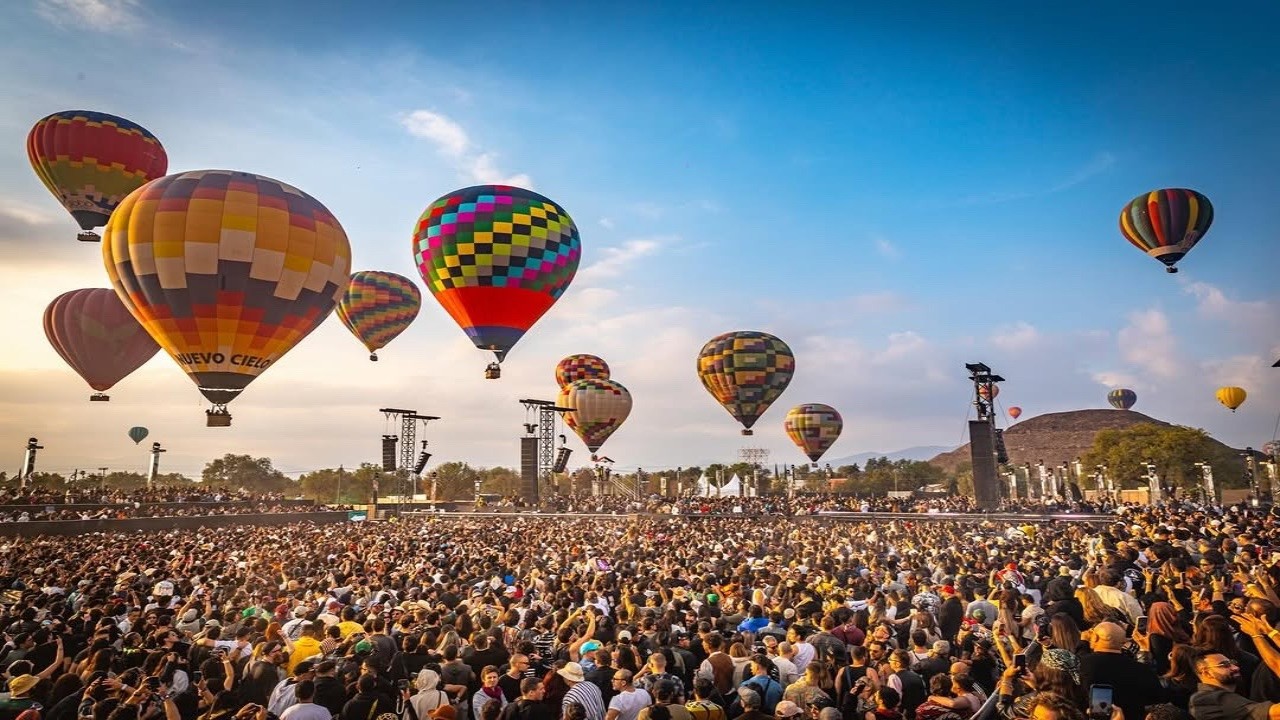

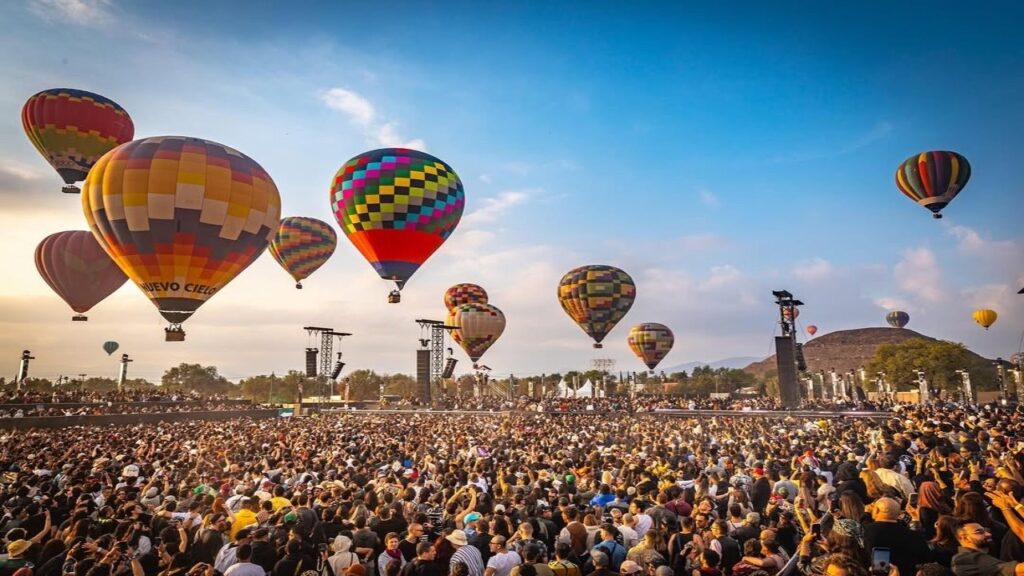
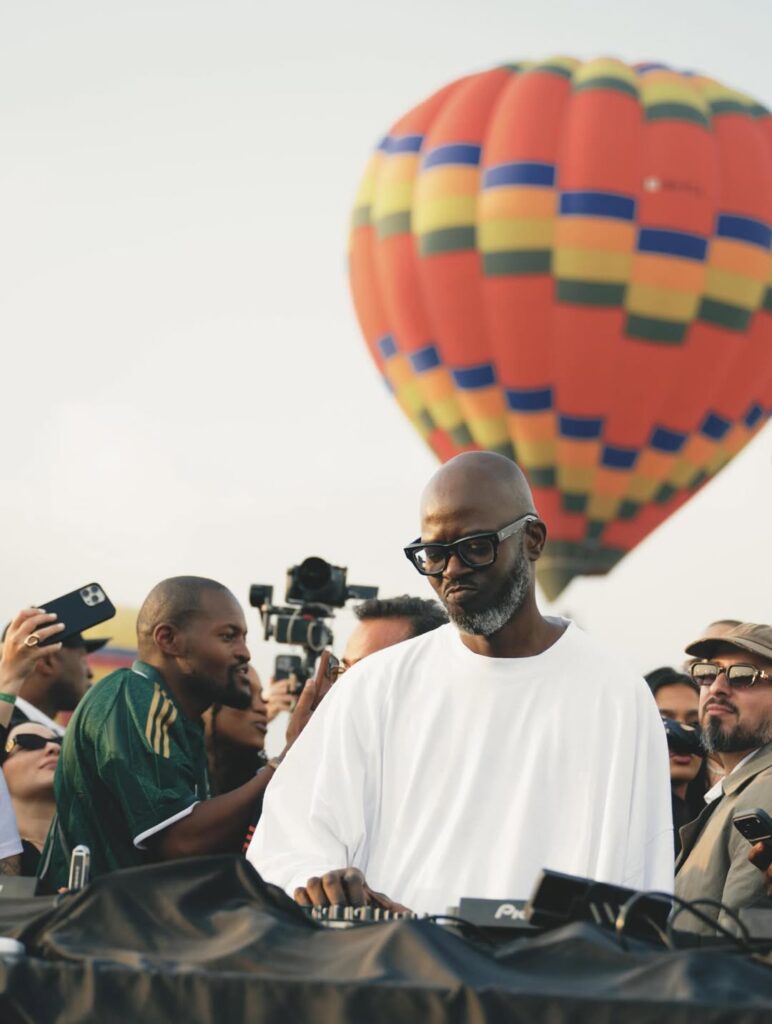
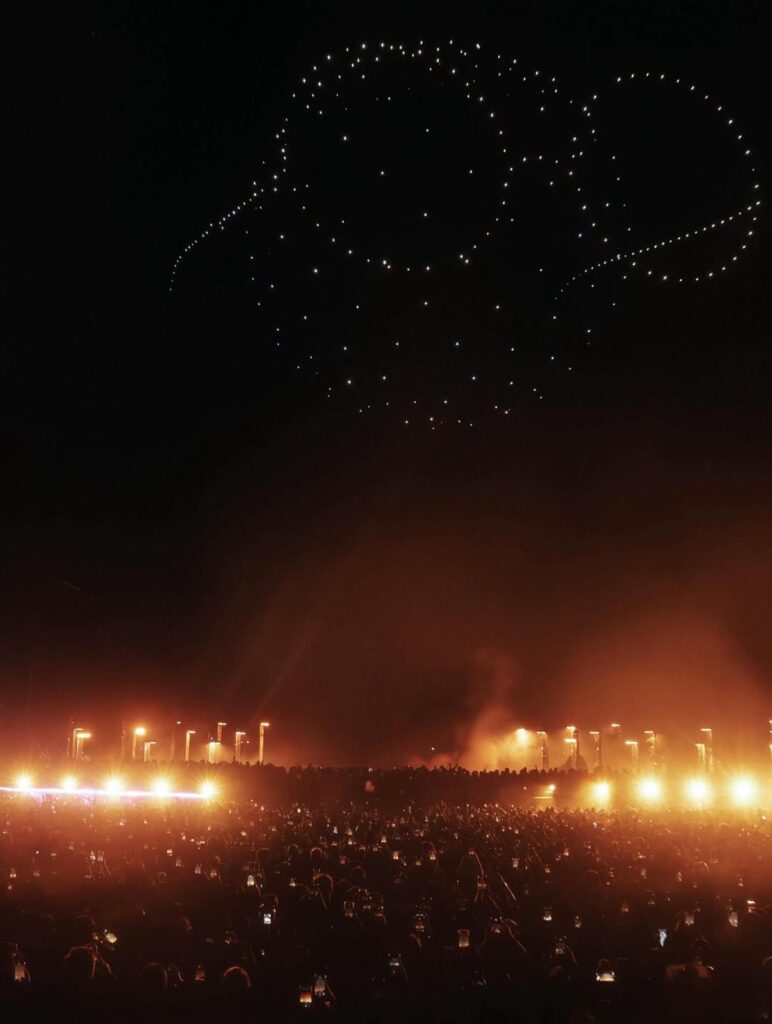
There are shows, and then there are moments that shift culture. Over in Mexico City, Black Coffee delivered the latter, a sold-out spectacle that pulled in over 20,000 people against the cinematic backdrop of the Teotihuacán Pyramids.
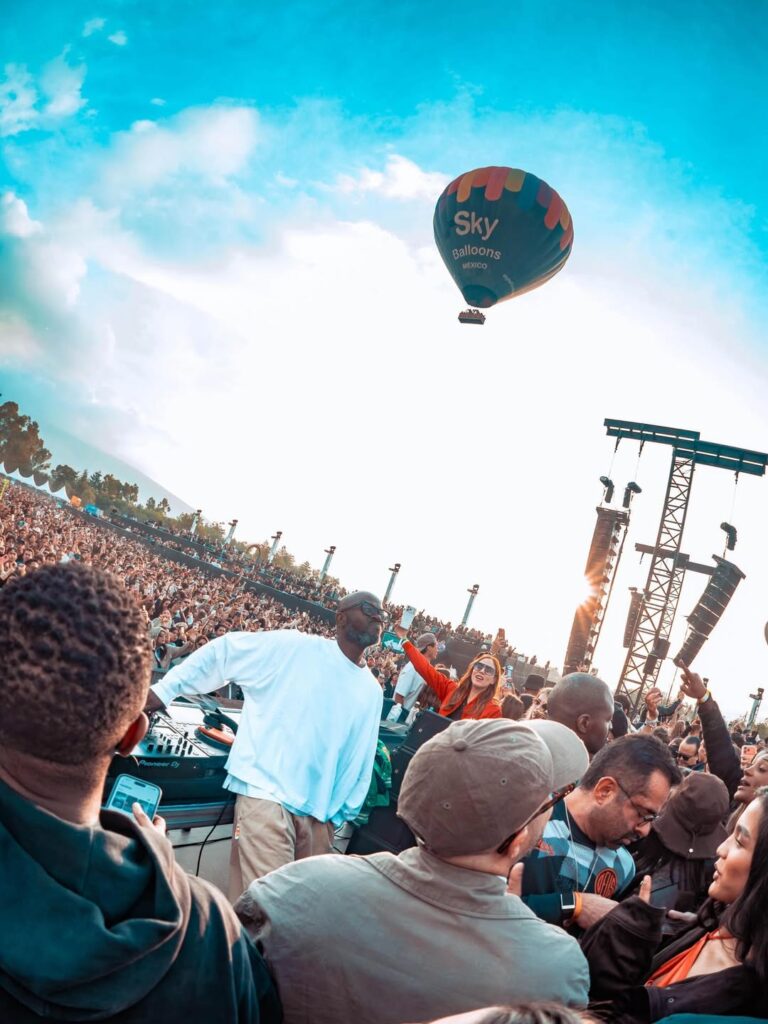
IMAGE: Courtesy of Black Coffee [Instagram]
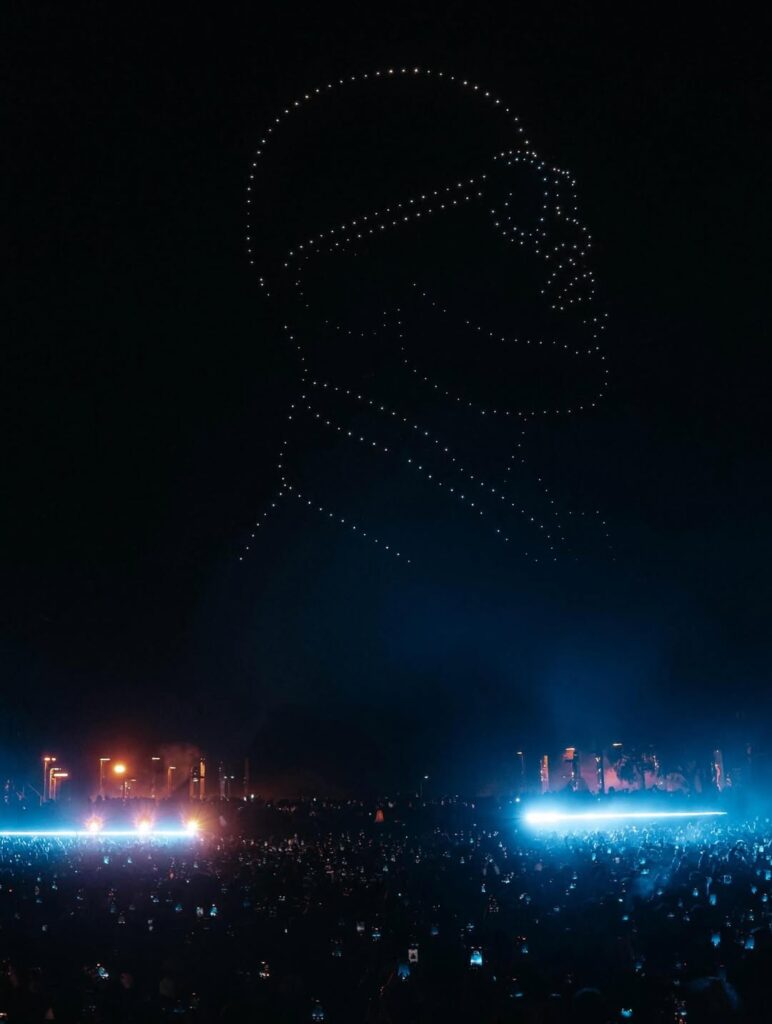
The Grammy-winning producer has long been a master of translating South African sound into a global language. But this show felt different. Maybe it was the scale, drone displays slicing through the night sky, hot air balloons drifting above a sea of bodies or maybe it was the energy of 20,000 people locked into an Afropolitan rhythm thousands of kilometres from home.
But beyond the spectacle, this moment sits within a much bigger narrative: one where African electronic music isn’t just participating globally, it’s leading the wave.
Setting the Africa Stage At Hï Ibiza 2026 Season
Black Coffee’s continued run, including the return of his residency at Hï Ibiza, reinforces that position. Now in its eighth year, Black Coffee Saturdays (running from May through October) has become less of a party and more of a cultural institution. A weekly export of sound, style, and sensibility rooted in the continent.
And importantly, he’s not doing it alone.
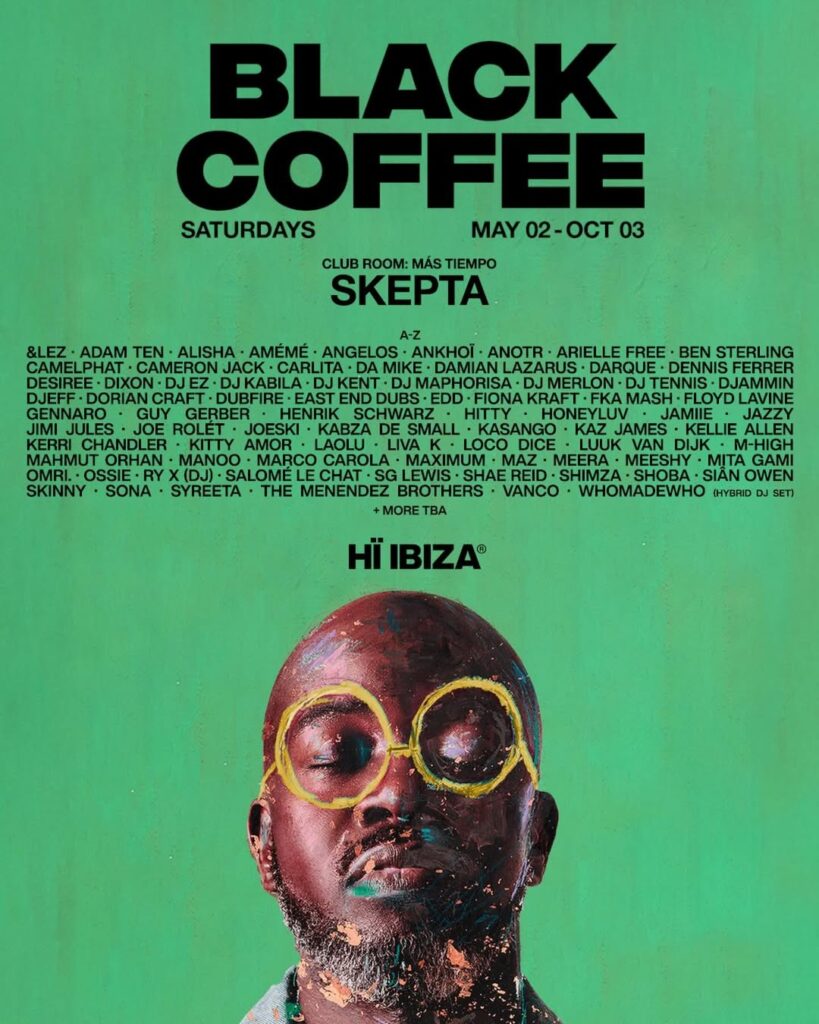
The line-up reads like a roll call of South African excellence: DJ Maphorisa, Shimza, Kabza De Small, DJ Kent, FKA Mash, Kasango, and more. It’s intentional. It’s ecosystem-building. It’s legacy work.
African Sound On A Global Stage
Because what Black Coffee continues to prove, whether it’s in Mexico, Ibiza, or anywhere in between, is that representation at this level isn’t accidental. It’s curated, it’s protected, and it’s shared.
And right now, African music isn’t asking for space on the global stage. It’s building its own.