


Contribution by Nathan Reddy, Chairman of GRID WORLD WIDE
As artificial intelligence continues to reshape advertising and creative production, Nathan Reddy, Chairman of GRID WORLD WIDE, reflects on why the industry’s biggest opportunity with AI lies not in efficiency, but in ambition, originality and the value of human creativity.
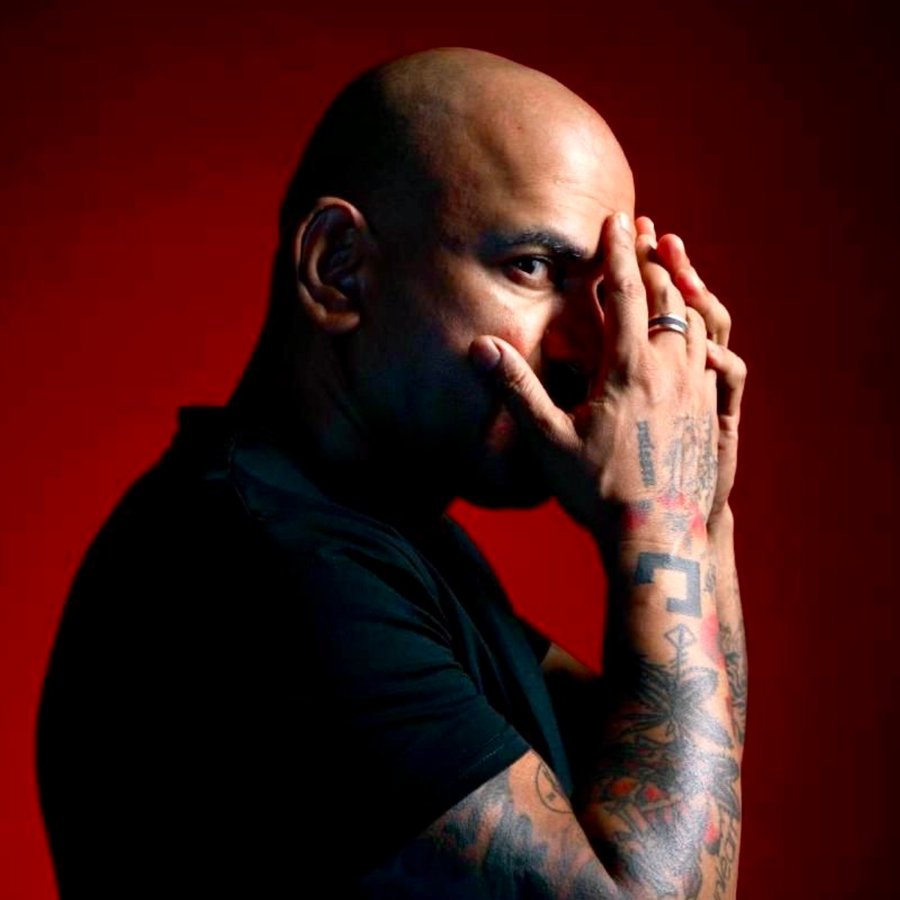
Nathan Reddy, Chairman of GRID WORLD WIDE
Artificial Intelligence is quickly changing the way the advertising industry thinks about creativity, production and the possibilities of what can be made. From generating concepts and developing visual worlds to testing ideas and accelerating production, the technology is opening up creative possibilities that would have previously required significant budgets, larger teams and considerably more time.
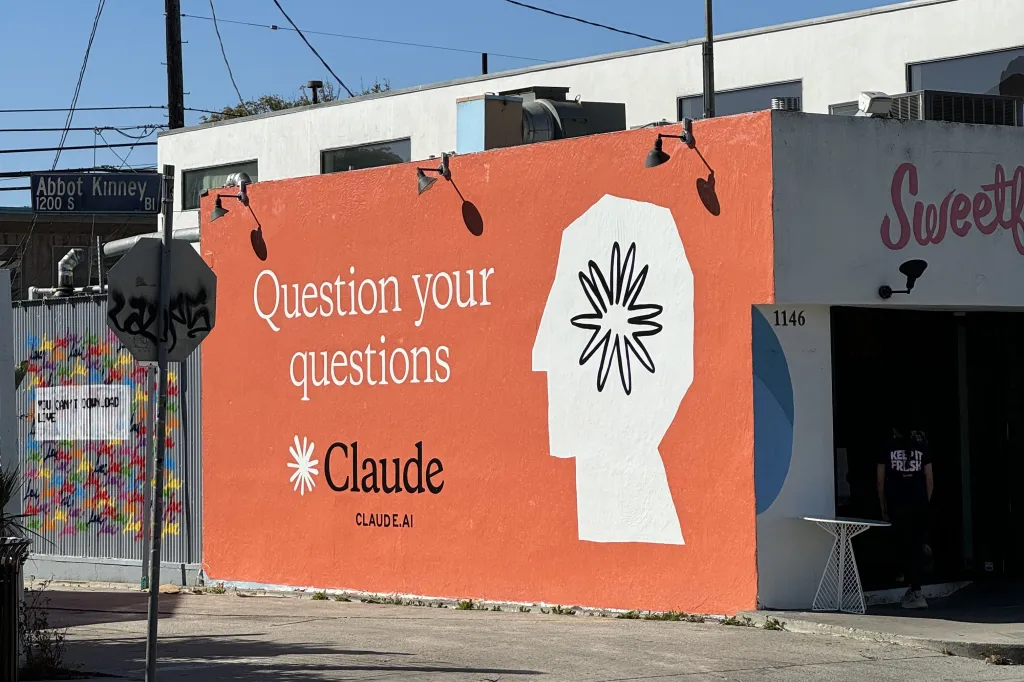
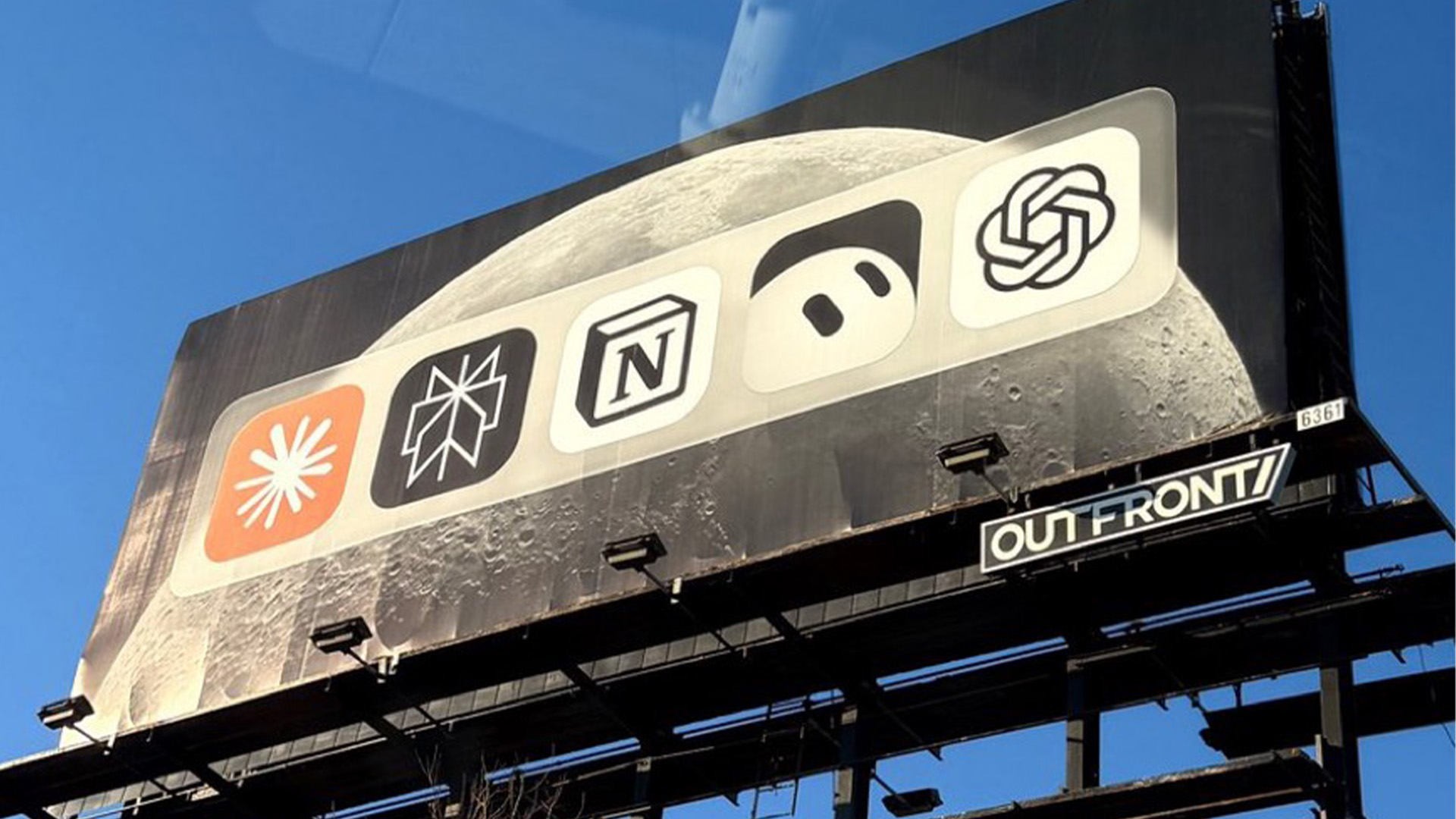
For agencies, brands and independent creatives alike, the implications are significant. The barriers to bringing ambitious ideas to life are shifting, and the ability to experiment is becoming increasingly accessible. But as more of the industry adopts the same technologies, an important question emerges: if everyone has access to the same tools, what will ultimately distinguish the work?
The Real Opportunity
For Nathan Reddy, Chairman of GRID WORLD WIDE, the real opportunity is not simply about efficiency. It is about expanding the boundaries of creative thinking.
“I think the real opportunity with AI in advertising is not simply to make things quicker or cheaper. It is to help us think bigger.”
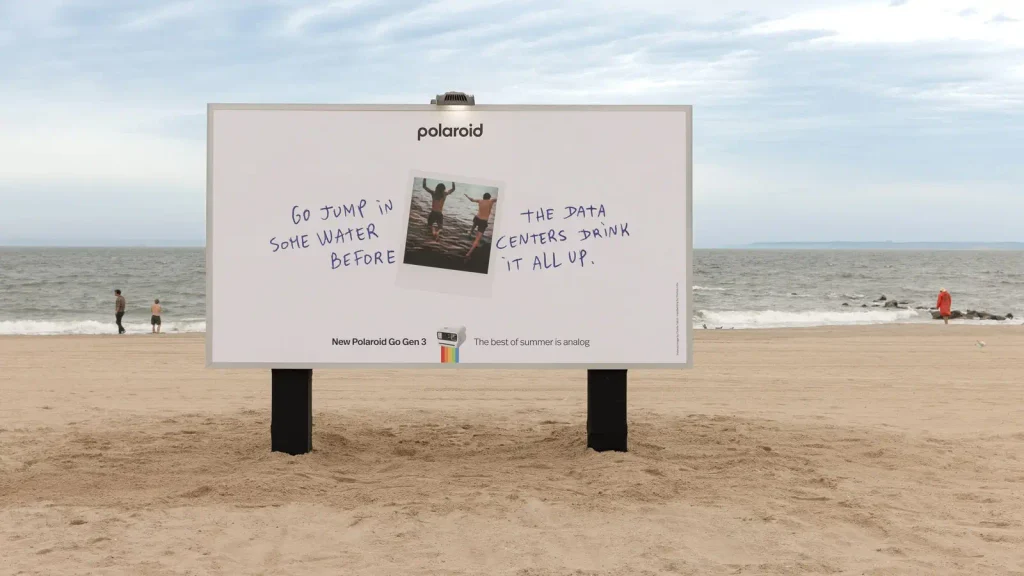
It is an important distinction. Much of the conversation around AI in business has centred on productivity, cost reduction and speed. While those benefits are undeniable, there is a much bigger creative opportunity at play. AI can give teams the freedom to explore ideas that might previously have been considered too ambitious, too expensive or too difficult to execute.
“It gives us the ability to explore more ideas, experiment more freely and bring ambitious concepts to life in ways that were previously impossible. A small team can now create, test and refine at a scale that would once have required enormous budgets and months of production.”
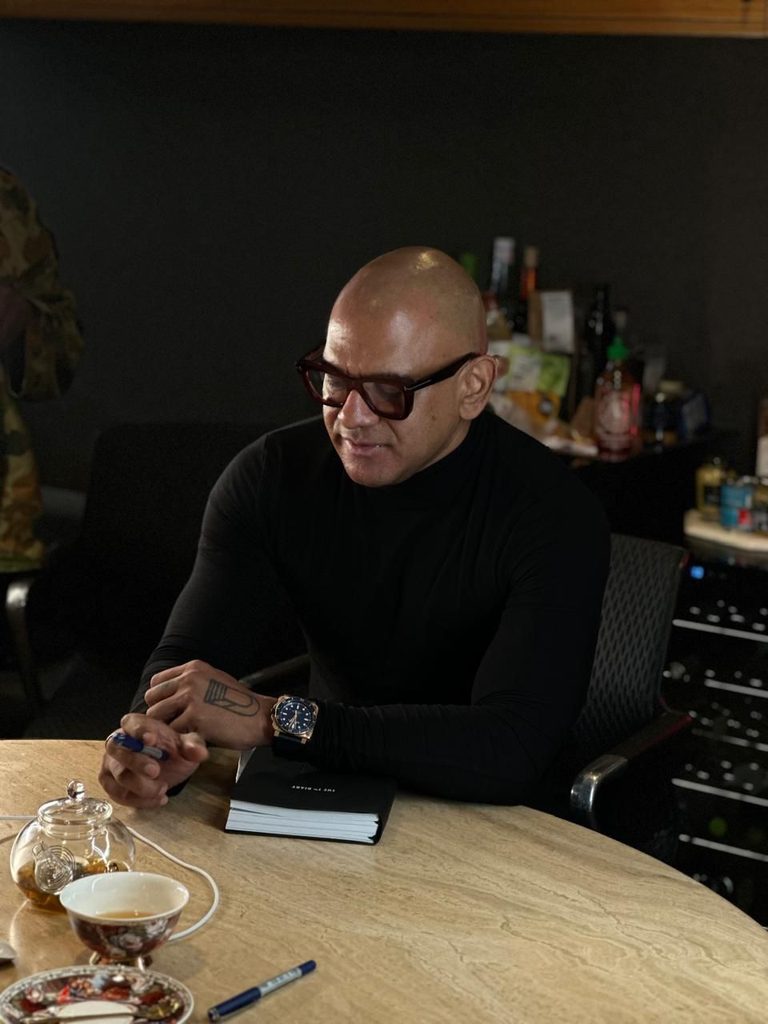
Nathan Reddy, Chairman of GRID WORLD WIDE: Nathan shares his perspective on AI as he starts his morning
This shift has the potential to change the relationship between creative ambition and production resources. Smaller teams can explore more possibilities, test different directions and develop ideas without necessarily needing the infrastructure that traditionally accompanied large-scale creative production. However, greater access to creative tools does not automatically translate into better creative work.
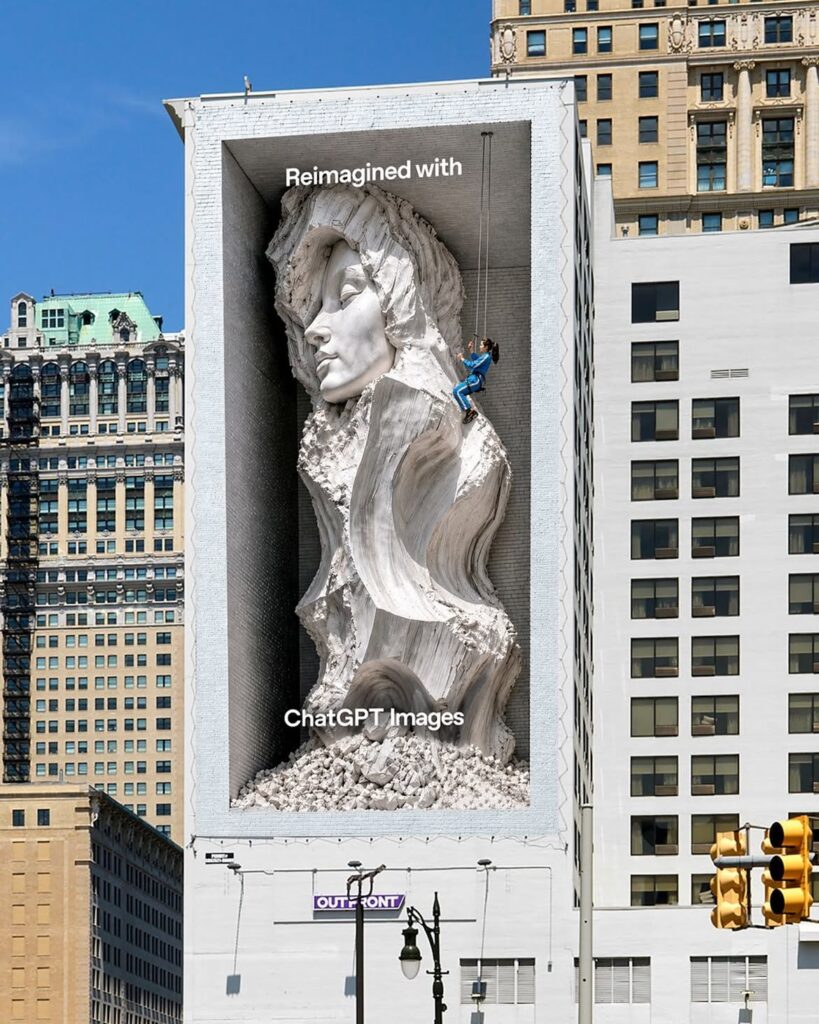
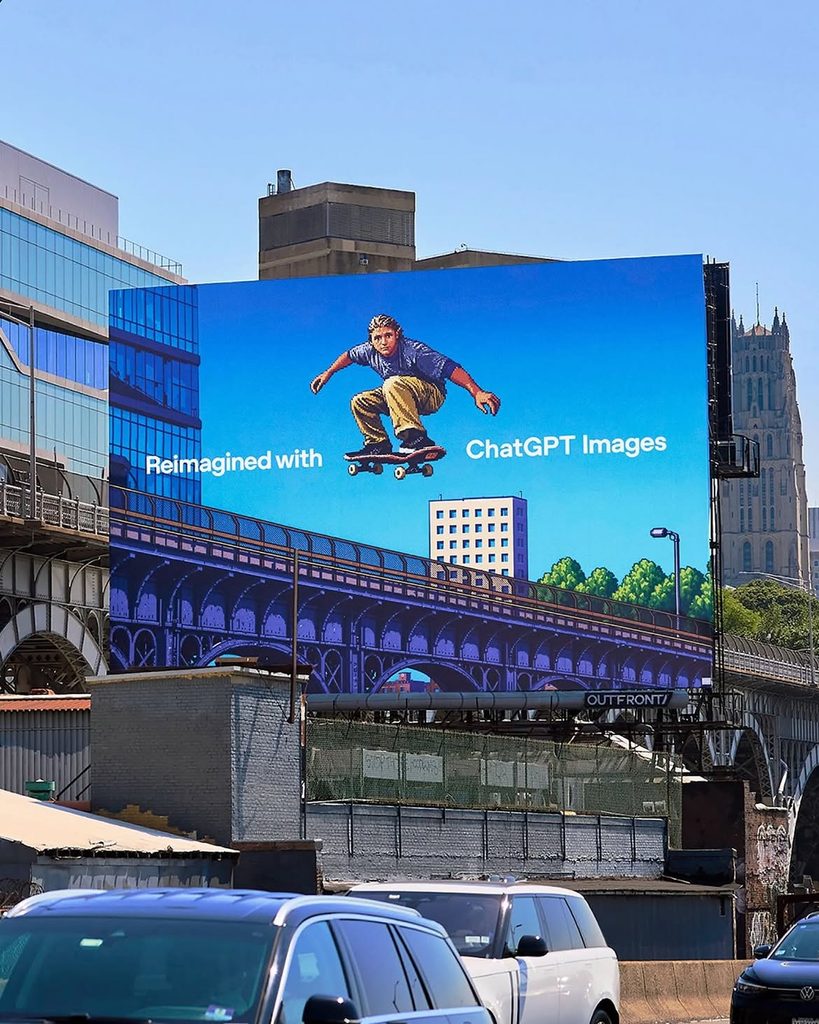
However, greater access to creative tools does not automatically translate into better creative work. As AI-generated imagery, concepts and campaigns become increasingly common, there is a risk that the industry begins to produce work that is technically impressive but creatively indistinguishable. When everyone is working with similar platforms, models and capabilities, the technology itself becomes less of a competitive advantage.
“But there is also a danger. If we all use the same tools in the same way, we will end up creating a lot of polished work that feels exactly the same.”
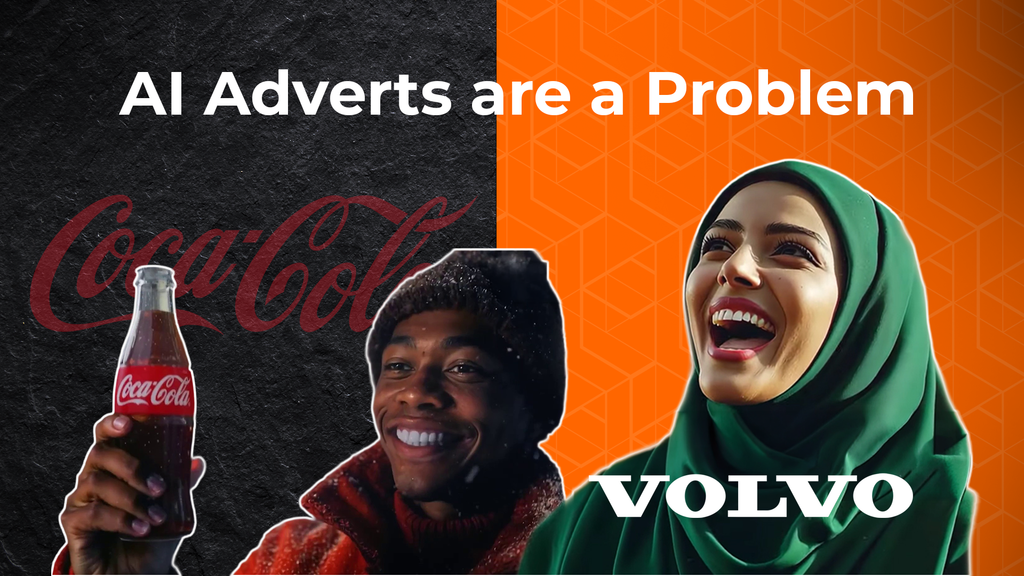
This is perhaps one of the more important challenges facing advertising right now. The ability to generate something visually compelling is becoming easier, but knowing what to create, why it should exist and how it should connect with an audience remains a different discipline altogether. That is where human creativity becomes central to the conversation. Beyond the execution of an idea, creative work depends on perspective, cultural understanding, intuition and the ability to recognise something meaningful before it becomes obvious.
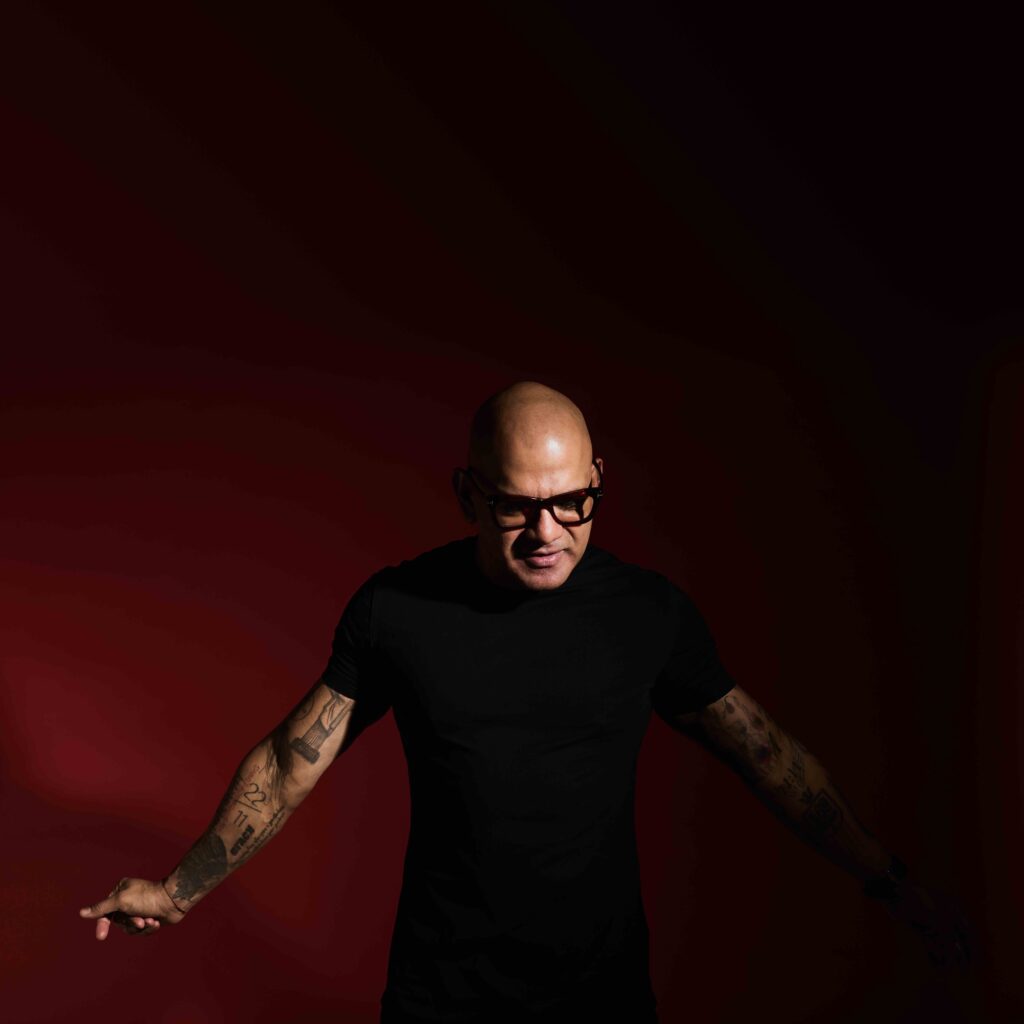
Nathan Reddy, Chairman of GRID WORLD WIDE:
“That is why human creativity becomes even more important. AI can give us endless possibilities, but it cannot decide what matters. It cannot replace taste, instinct, cultural understanding or the courage to do something unexpected.”

The challenge for agencies and creative leaders, then, is not simply to adopt AI, but to develop a point of view around how it should be used. The strongest creative teams will likely be those that understand where technology can add value without allowing it to dictate the direction of the work.
“For me, the future is not about AI replacing creative people. It is about creative people using AI to become more ambitious.”-Nathan Reddy
This perspective shifts the conversation away from replacement and towards possibility. Rather than viewing AI as a threat to the creative workforce, it presents an opportunity for creative people to expand their capabilities, challenge conventional production limitations and take ideas further. It also raises a different standard by which the industry should measure the value of these tools.
“The measure of success should not only be how much time or money we save. It should be whether the work is braver, more original and more meaningful.”-Nathan Reddy
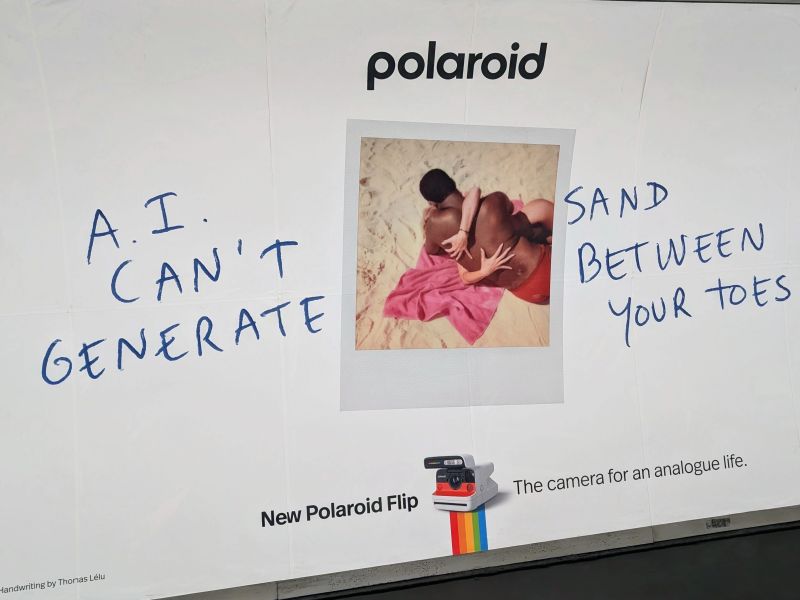
Ultimately, the question is not whether AI can produce more content, generate more concepts or make production more efficient. Those capabilities are already changing the industry. The more important question is whether technology can help us create work that moves conversations forward, connects with people and contributes something distinctive to culture.
“AI can help us make almost anything. Our responsibility is to make something that matters.”-Nathan Reddy
As the advertising industry continues to navigate this shift, Nathan’s perspective offers a useful reminder: access to better tools does not replace the need for better thinking. If anything, it raises the expectation. The next creative advantage may not belong to those who use AI the most, but to those who know what to do with it.
About Nathan Reddy:
Nathan Reddy is a South African designer, brand specialist, and the founder and chairman/Chief Creative Officer of the branding and design agency Grid Worldwide (also referred to as GRID / Grid WW), based in Johannesburg, South Africa His work spans branding, rebranding, and design for organisations and brands including Marble Hospitality Group, SPUR, Showmax, MTN, Standard Bank, FNB, Sasol, Telkom, BMW/MINI, Toyota, Exclusive Books, The Apartheid Museum, Johannesburg Art Gallery, and the Cricket World