


Born in 1997, Lagos-based artist Sanjo Lawal is a fine-art photographer whose journey from childhood sketches to smartphone photography reflects a lasting commitment to exploring identity, heritage, and imagination through image-making.
Born in 1997, Sanjo Lawal is a fine-art photographer and multidisciplinary artist based in Lagos, Nigeria and his working is making us pay attention.
From childhood sketches and painting to smartphone photography, his journey reflects a deep, evolving commitment to express identity, heritage, and imagination.
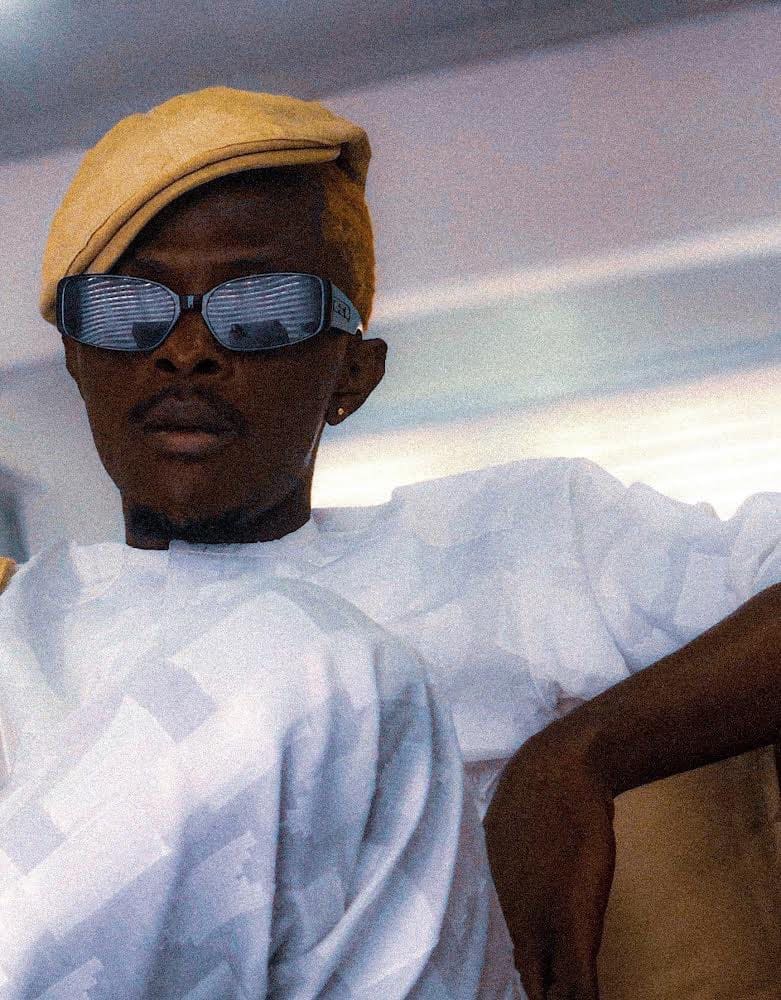
IMAGE: Sanjo Lawal
In a contemporary African art landscape often dominated by heavy budgets, formal studios, and traditional equipment, Lawal stands out. He embodies a new generation of creators redefining what “fine art” photography looks like and who gets to contribute to it.
His work insists that you don’t always need expensive gear; sometimes beautiful art can flourish from everyday life, the creativity inside you and be inspired by your own roots.
The Artistic Language: Heritage, Colour & Symbolism
Roots in heritage and tradition
Lawal’s work draws heavily on Nigerian cultural identity. He grew up surrounded by vibrant fabrics, colours and patterns, thanks in large part to his mother, whose choices in garments and love for flowers left a lasting imprint on him.
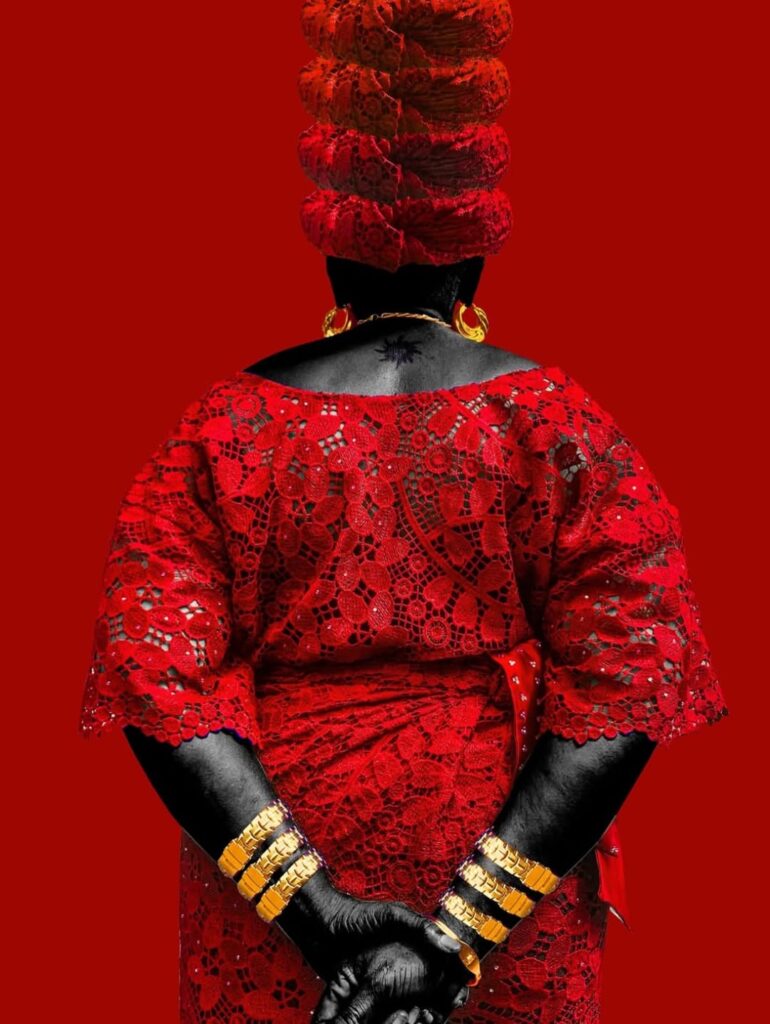
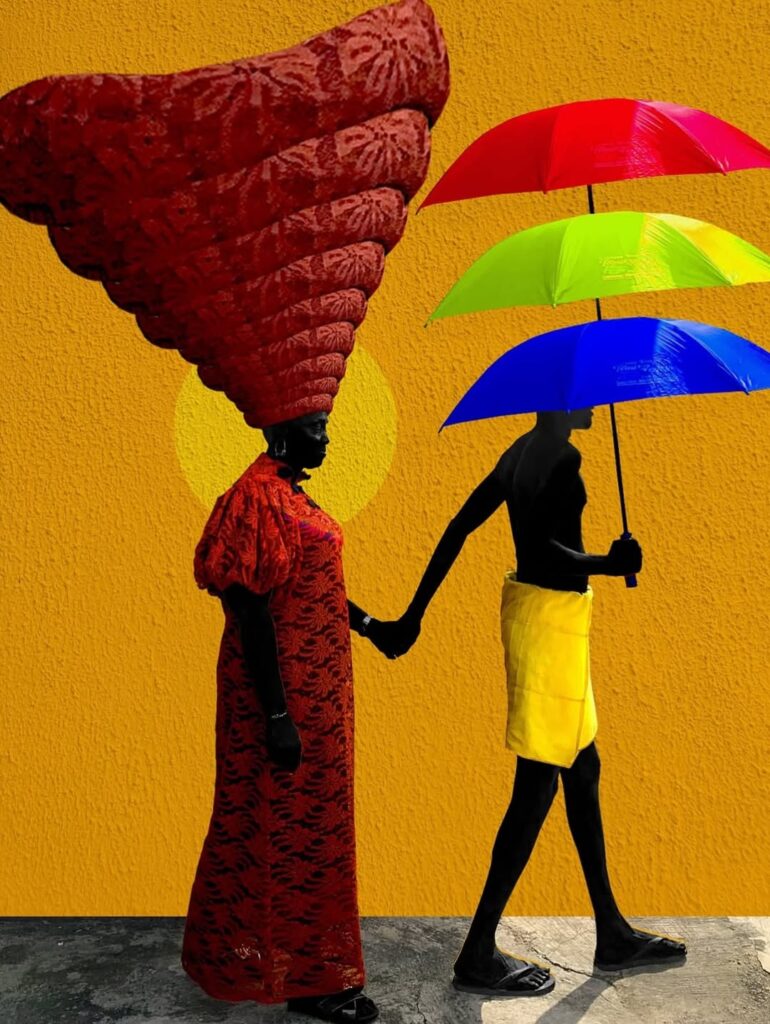
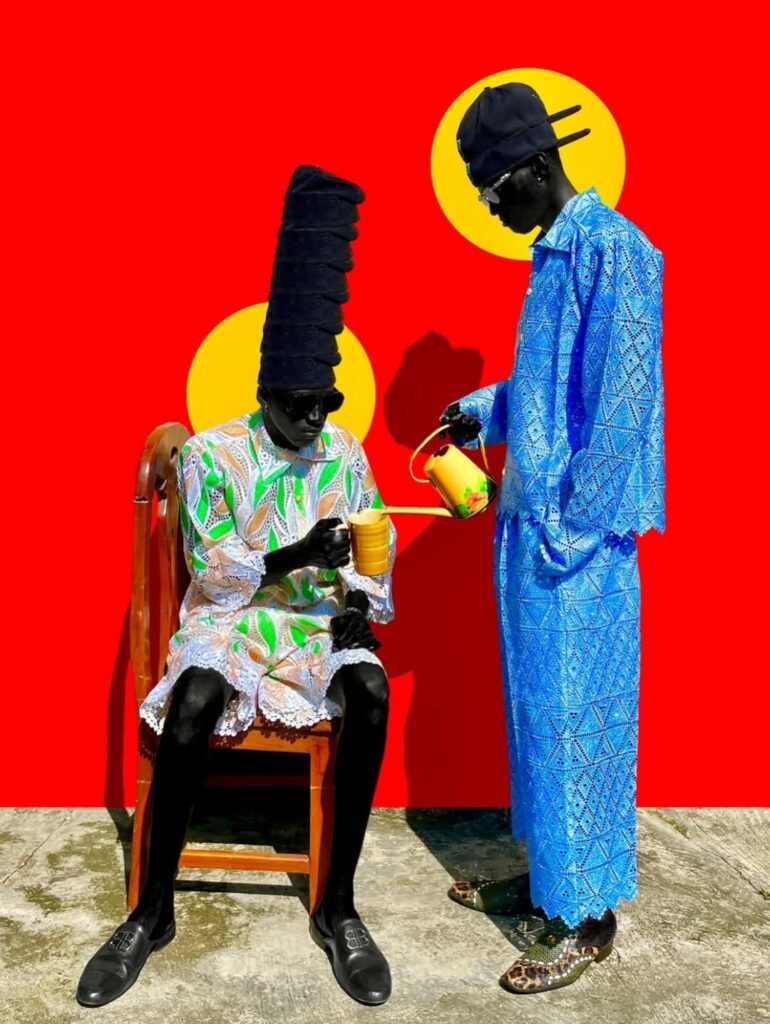
This heritage appears in his portraits via symbolic use of traditional motifs and attire: headties (gele), caps (fila), lace and richly textured fabrics. These are not mere props, they function as visual crowns, signifiers of dignity, history, and ancestral memory.
From daily life to visionary composition
Lawal’s process often starts in everyday Lagos: he has spoken about using his smartphone to capture scenes and people around him, sometimes family, sometimes friends and then transforming those simple captures into powerful, composed artworks.
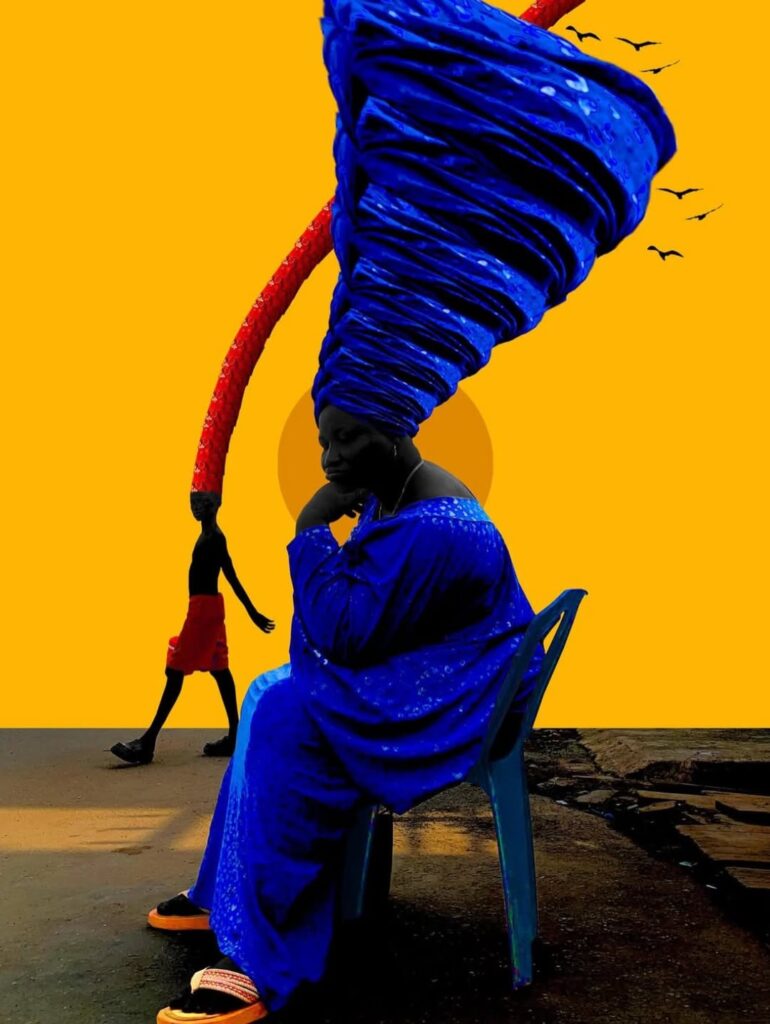
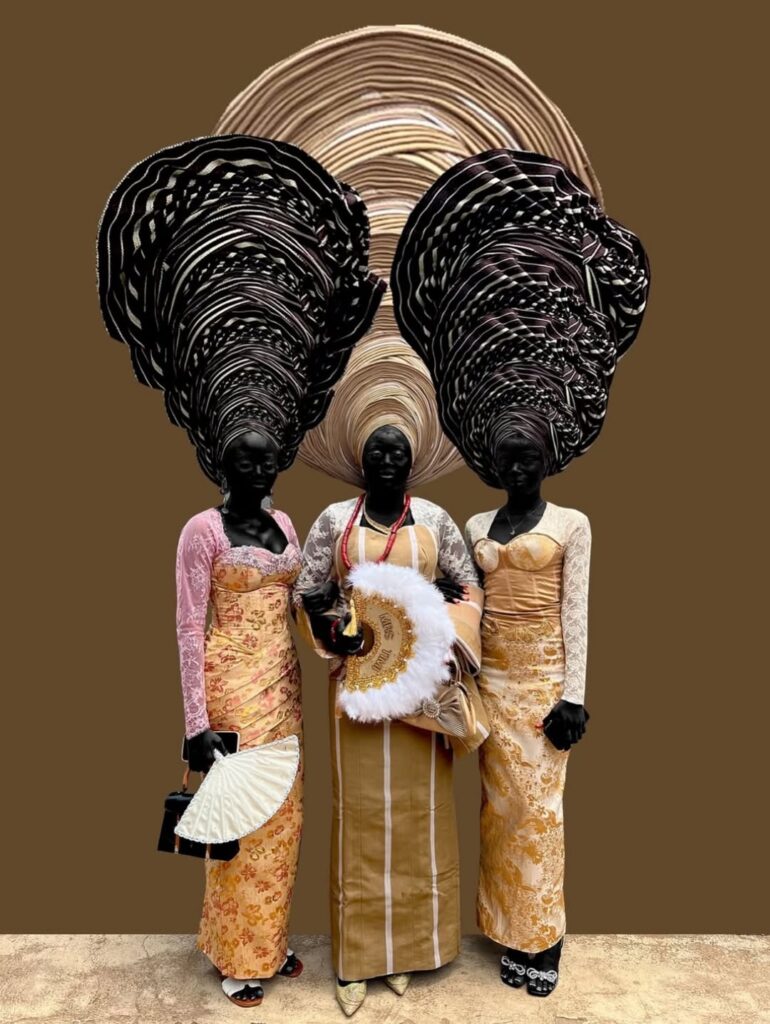
He combines photography with painting, collage, creative editing and mixed media. The result is a distinctive visual language where colour, texture and light merge to create portraits that feel mythic, spiritual, and emotionally rich.
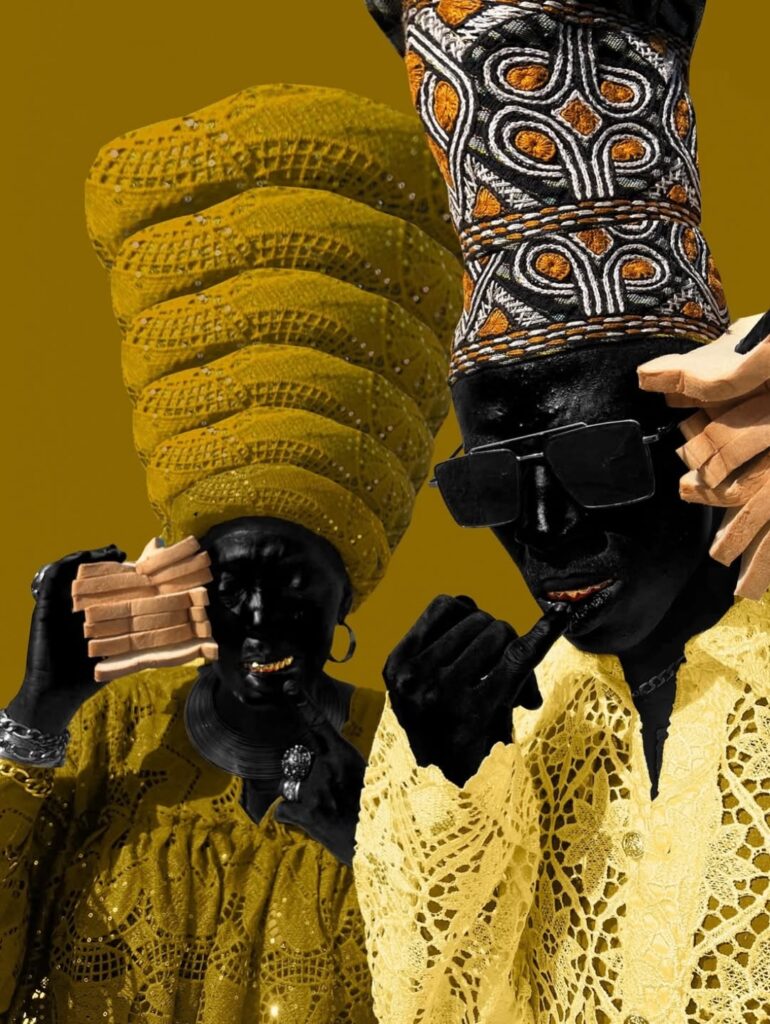
Major Works & Recognition
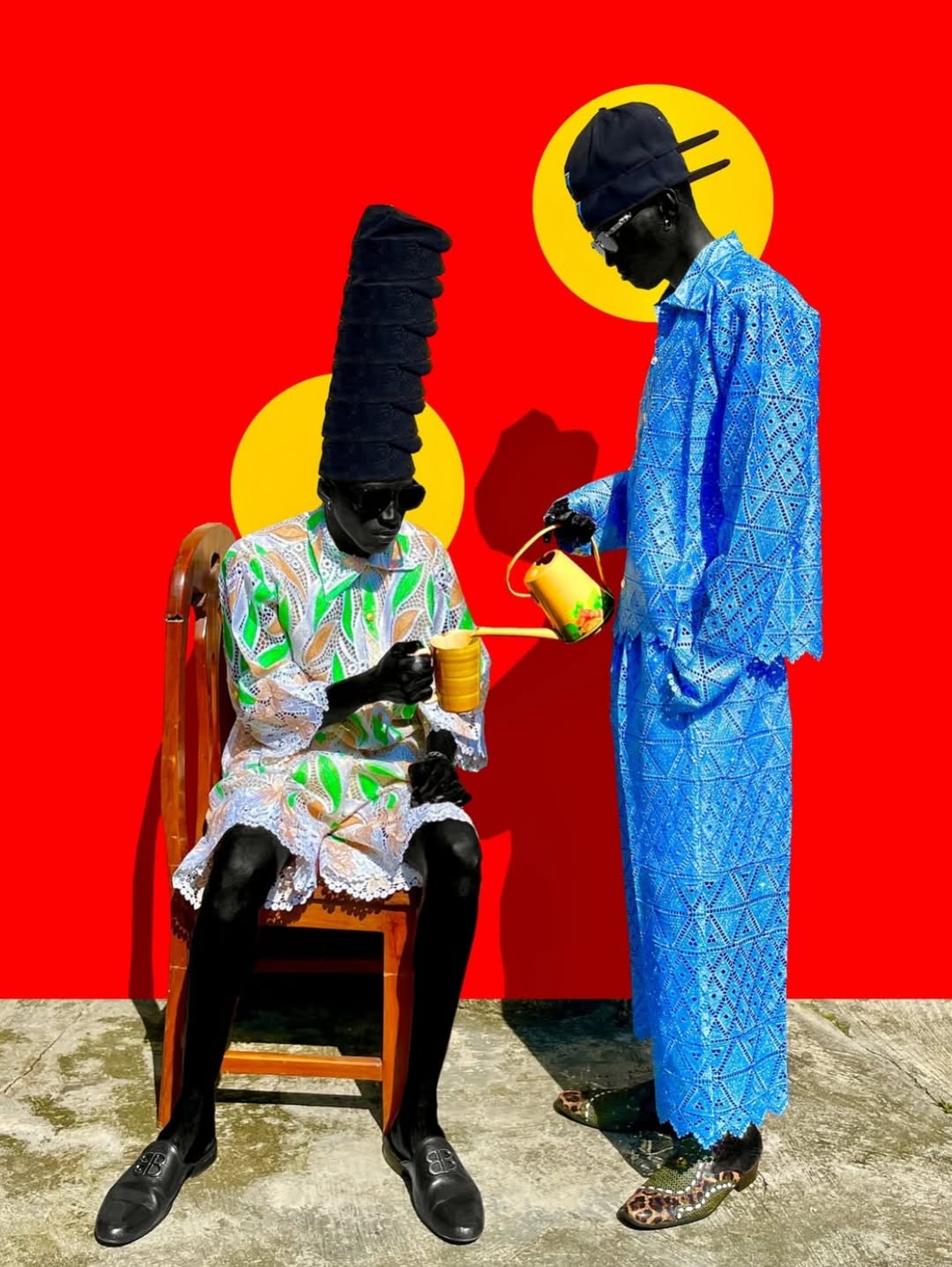
His latest major series, Heavy is the Head (2022–2025), is especially significant. It gathers 17 previously unseen works and in 2025 marked his first international solo exhibition.
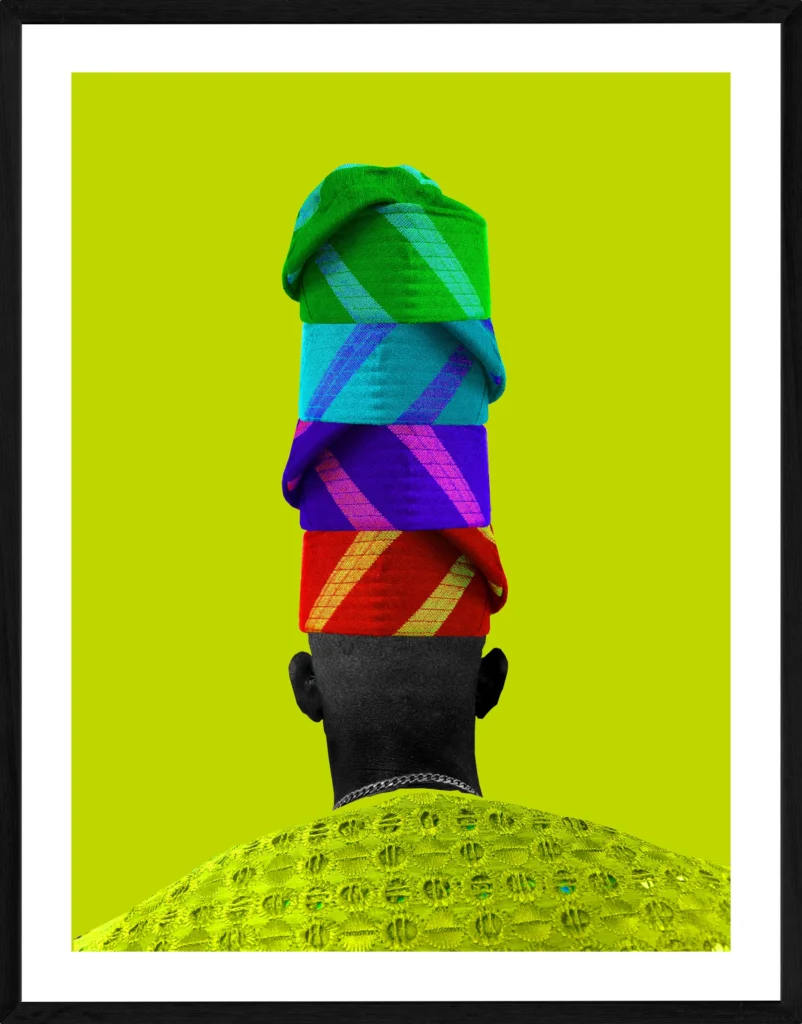
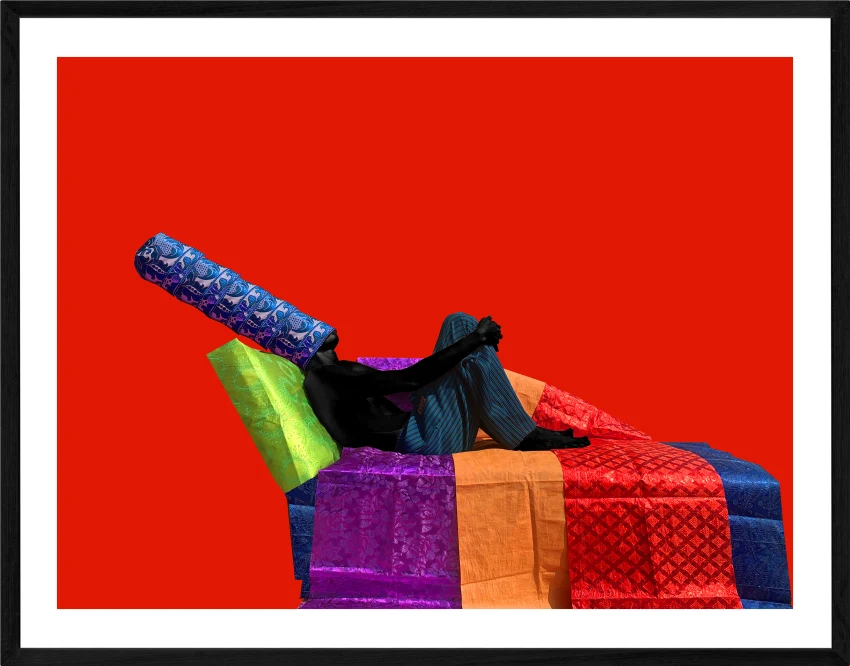
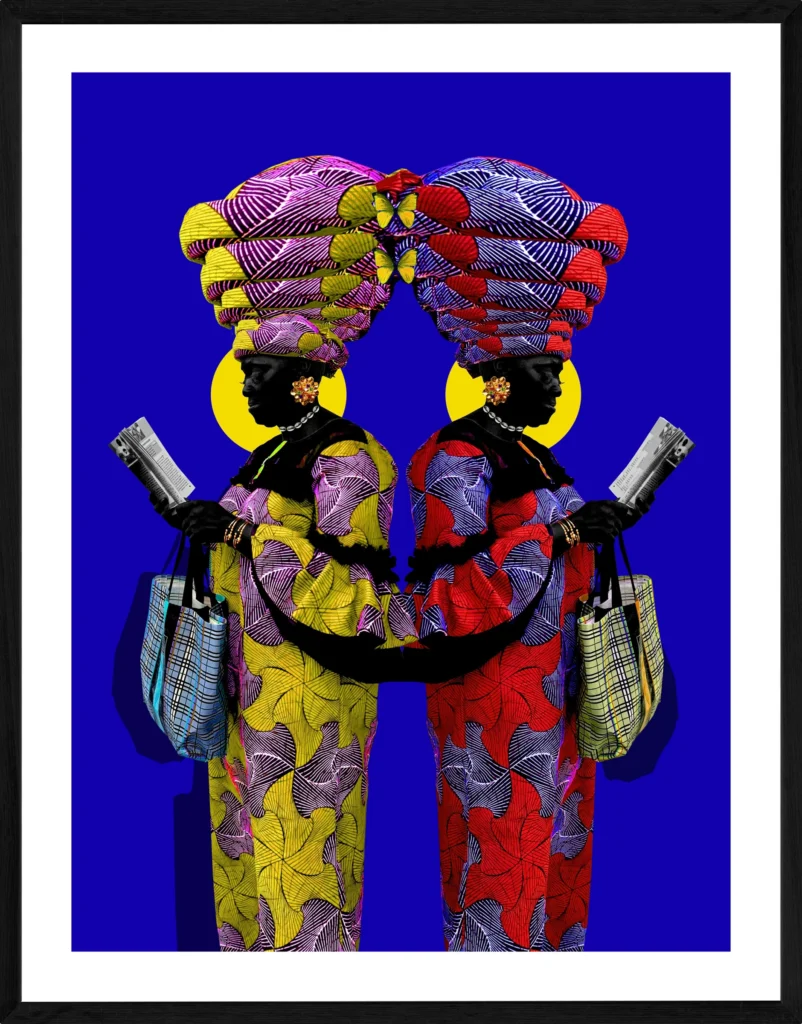
The series challenges conventions of African portraiture by using saturated, vibrant backgrounds, dramatic compositions, symbolic headgear and digital manipulation.
What might once have been considered documentary work now reads as contemporary ritual, a reclaiming of identity, history, and dignity through visual art.
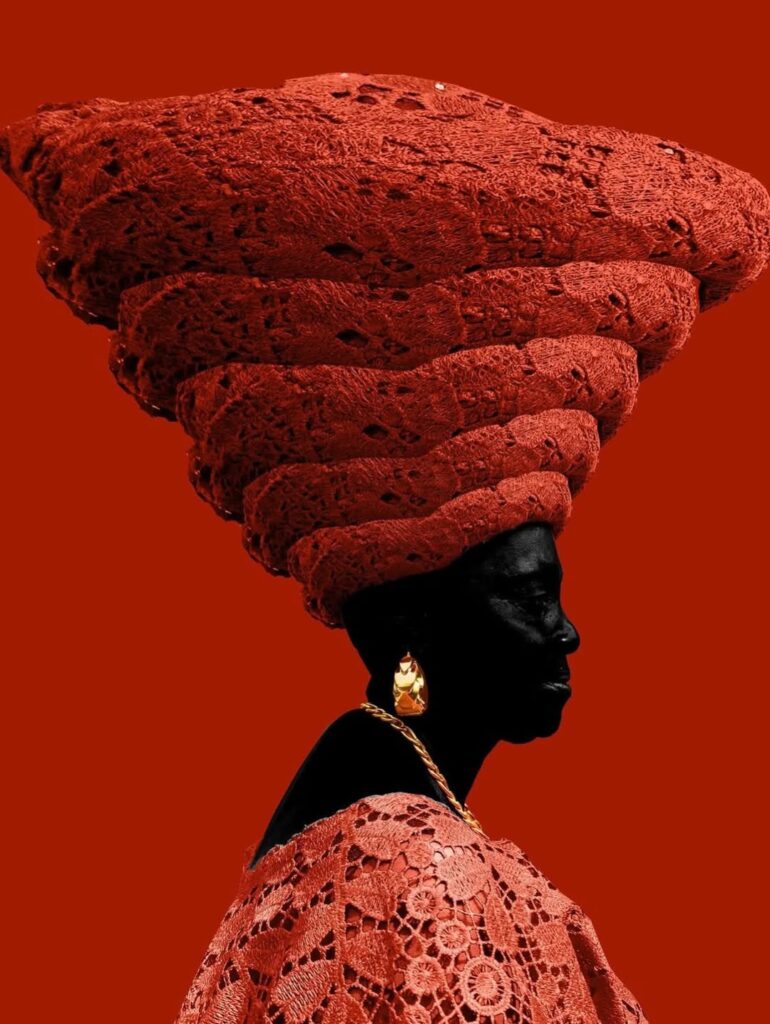
Beyond photography, he extends his artistic vision into fashion: together with his siblings he co-founded a fashion collective called Brothers Lawee, reworking traditional Nigerian fabrics into contemporary clothing, which becomes a continuation of his aesthetic and cultural philosophy.
What Makes His Work Important, Beyond the Aesthetic
Decolonising the Camera & Democratising Representation
By choosing to work with a smartphone and everyday surroundings, rather than a formal studio or fancy equipment, Lawal rejects traditional hierarchies in art. His methods democratise photography: art does not require elite tools; it just needs a vision.
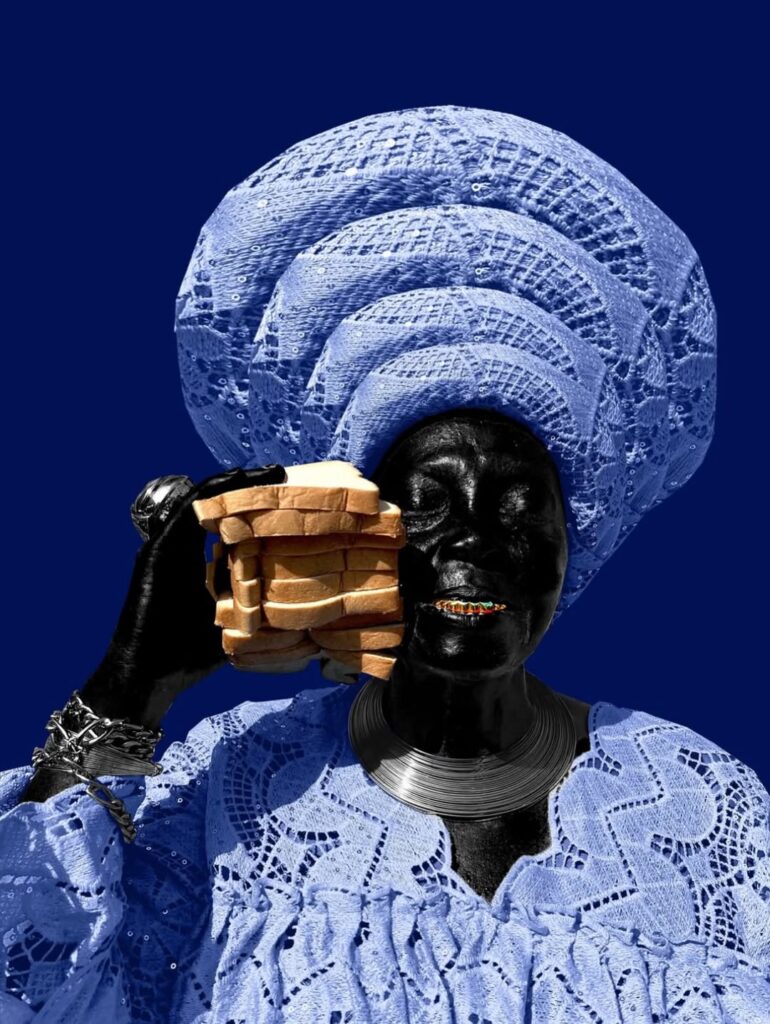
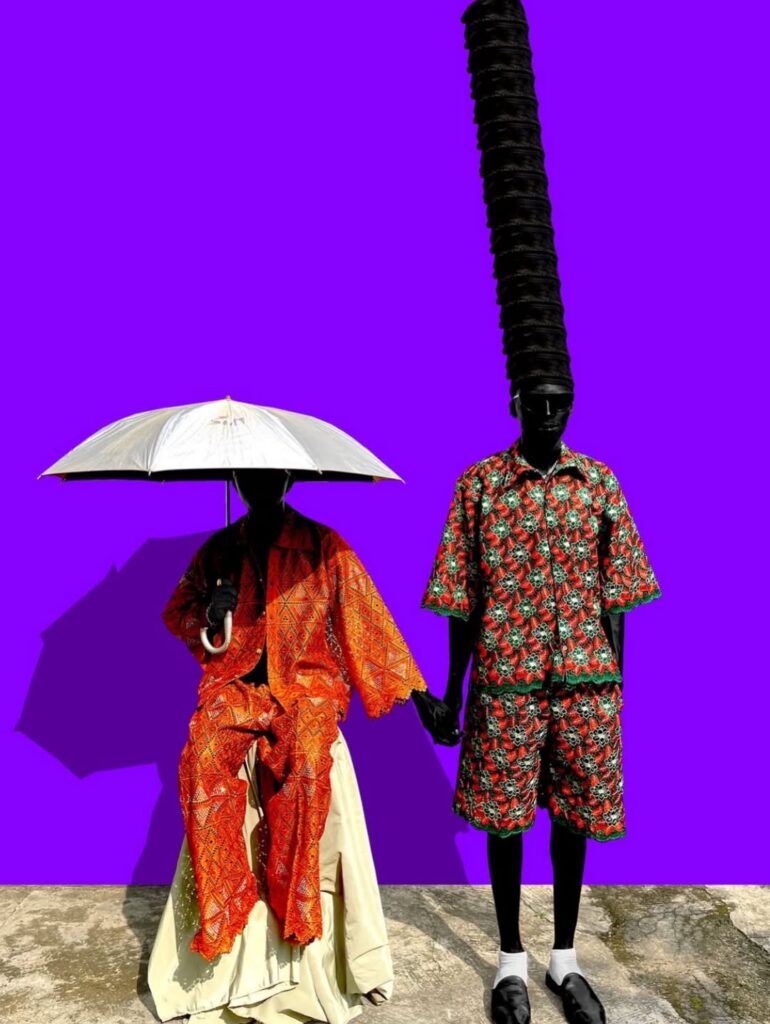
He links tradition with contemporary experience: using Yoruba cultural symbols in modern portraits, he shows that identity is not fixed, it is lived, transformed, reimagined.
His work celebrates the beauty, dignity and spirituality of African identity in a way that feels both ancestral and forward-looking.
Storytelling Through Visual Poetry
Each portrait by Lawal feels like a narrative. He captures faces but also memories, hopes, social realities, and spiritual presence. There’s a ritualistic quality to his compositions, they command reverence, reflection, and pride.
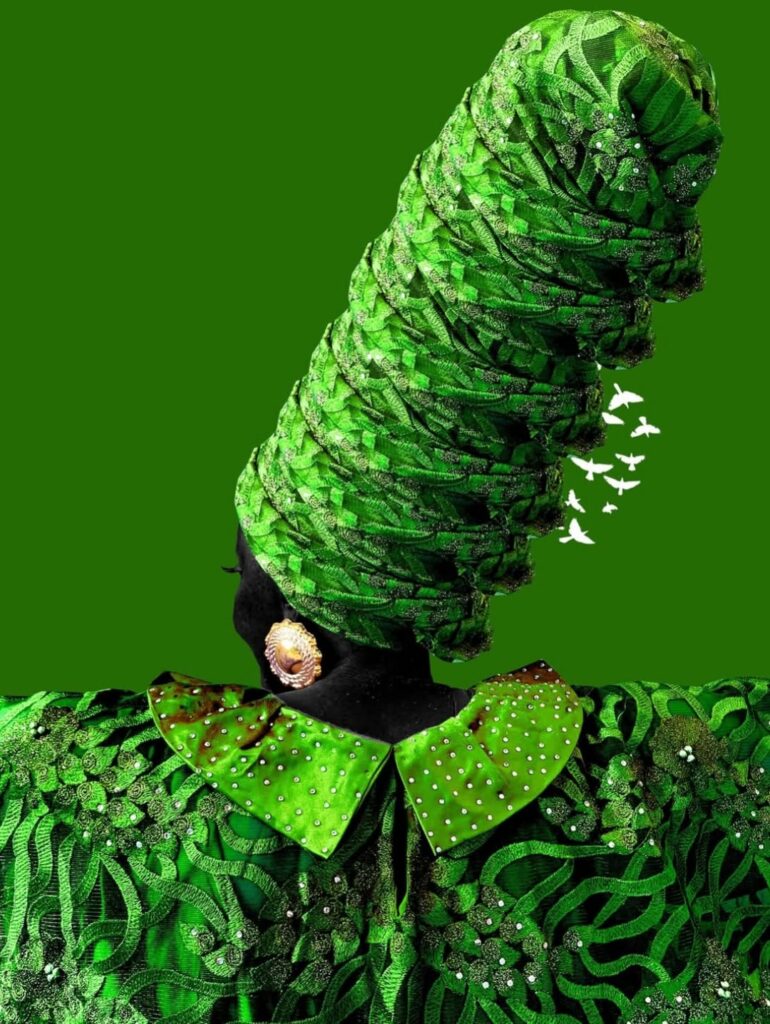
In a world where media often distorts or flattens African identity, Lawal’s images reclaim fullness, black skin rendered with dignity, traditional attire reimagined as regal garb, everyday faces honoured as carriers of history, almost royal in their plush depiction of richness.