


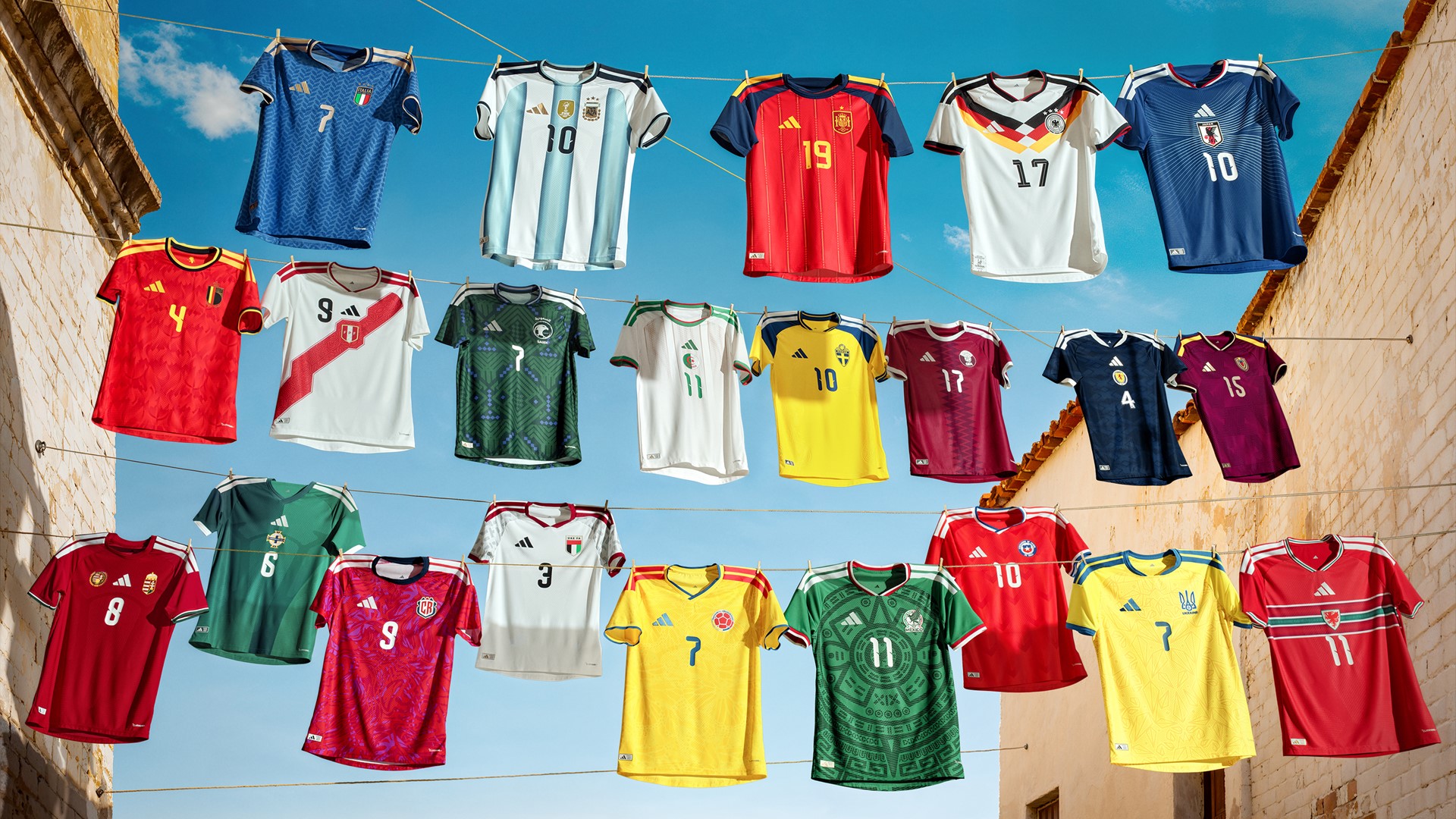

Football jerseys were once reserved for match day. Today, they’re just as likely to be spotted at a fashion event, music festival, street market, or creative gathering as they are in a stadium. What was once a symbol of club loyalty has evolved into a cultural statement that sits at the intersection of sport, fashion, music, and identity.

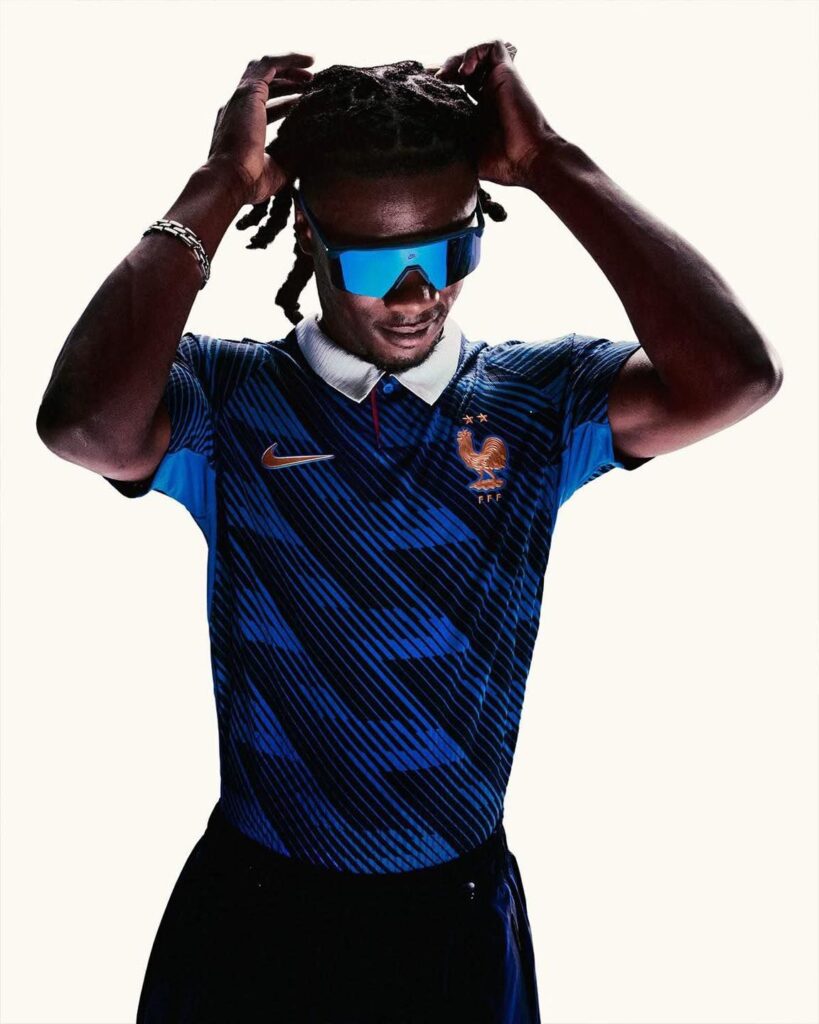
Images: Focalistic and Magile Mondiale
For decades, supporters have proudly worn the colours of their favourite teams, whether it was the iconic red of Manchester United, the black and white of Orlando Pirates, or the green and gold of Bafana Bafana. But somewhere along the way, football jerseys became bigger than the game itself.
The Rise of the Football Archivist
Today’s football fan is also a collector.
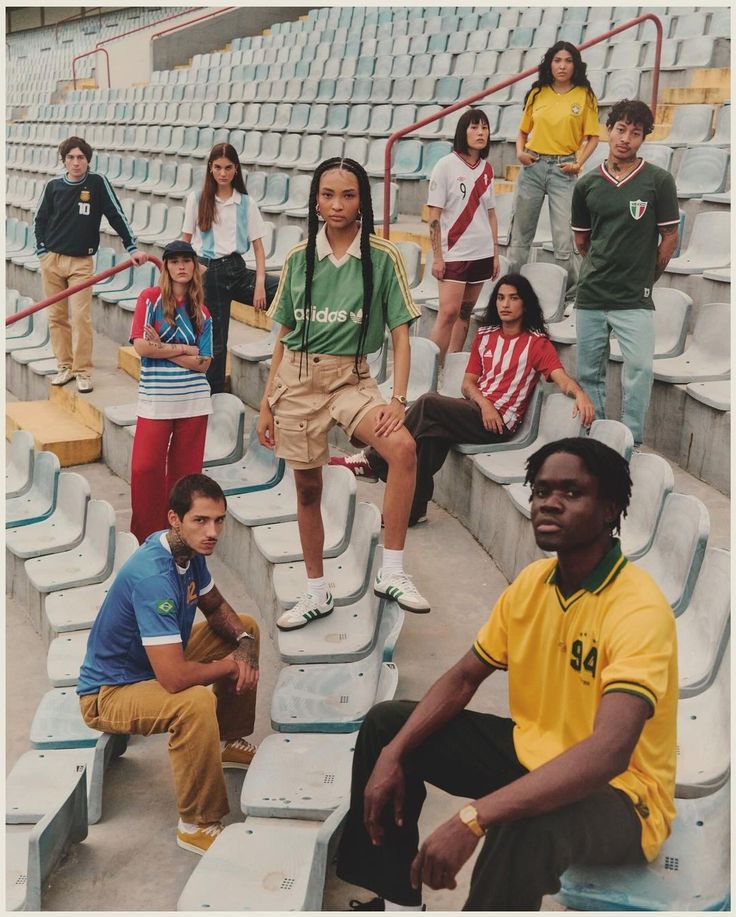
Social media has created an entire ecosystem dedicated to rare kits, forgotten sponsors, cult teams, and historic seasons. Jerseys from the 1980s, 1990s, and early 2000s have become highly sought-after pieces that tell stories about particular eras of football and design.
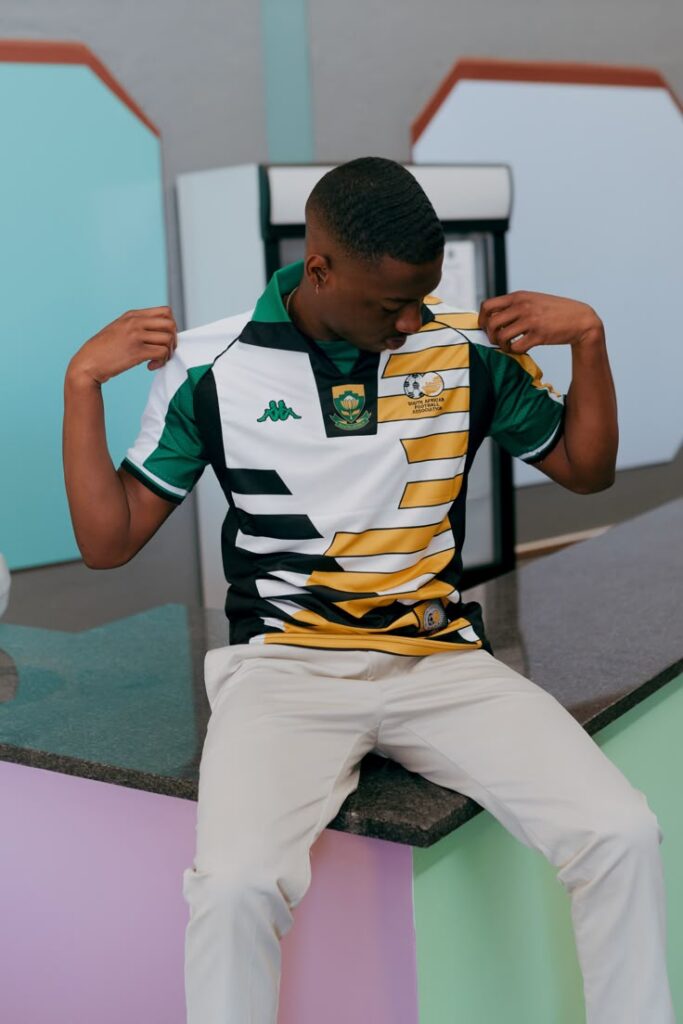
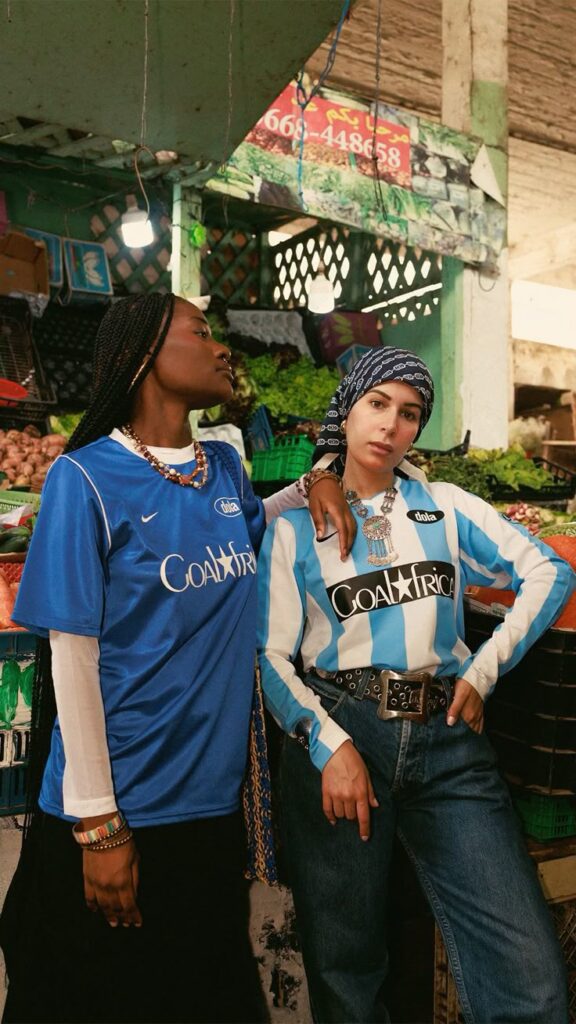
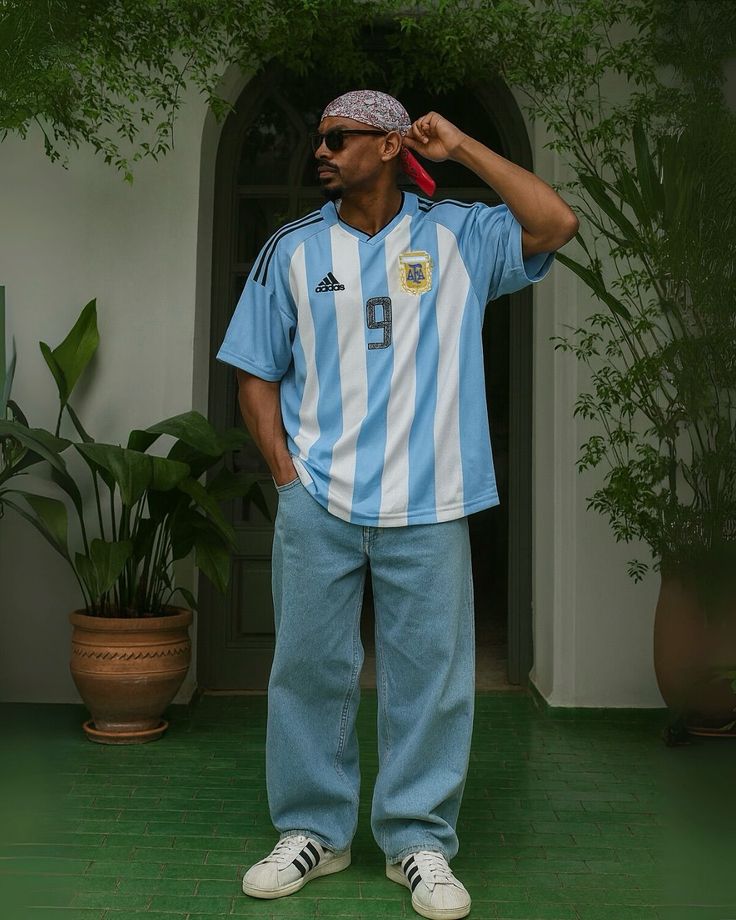
Collectors search for specific player editions, championship-winning seasons, and limited releases. The shirt has become both a fashion item and historical document.
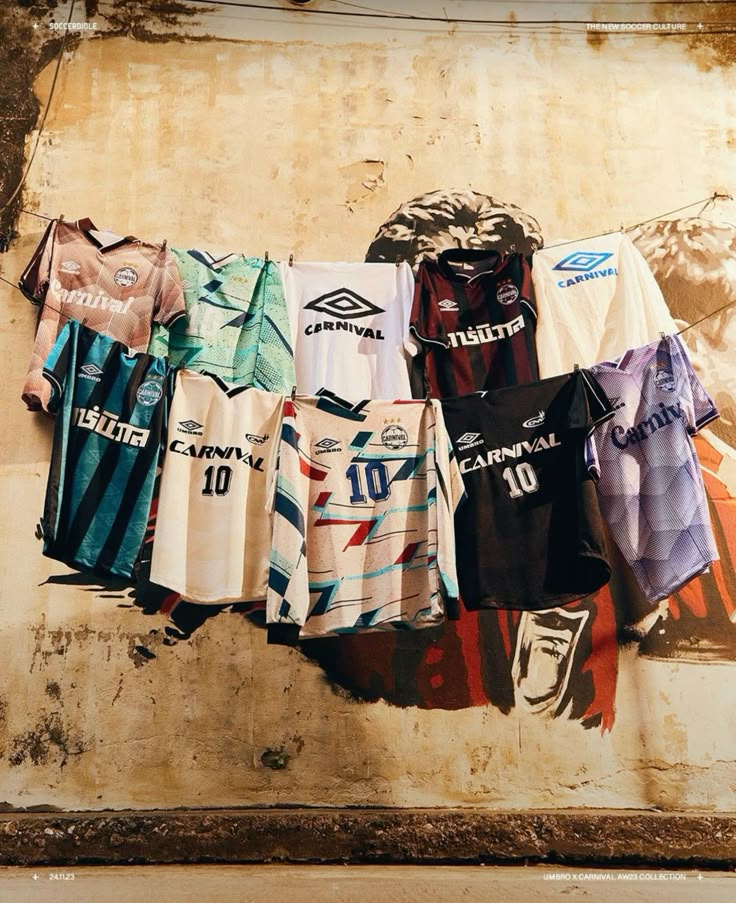
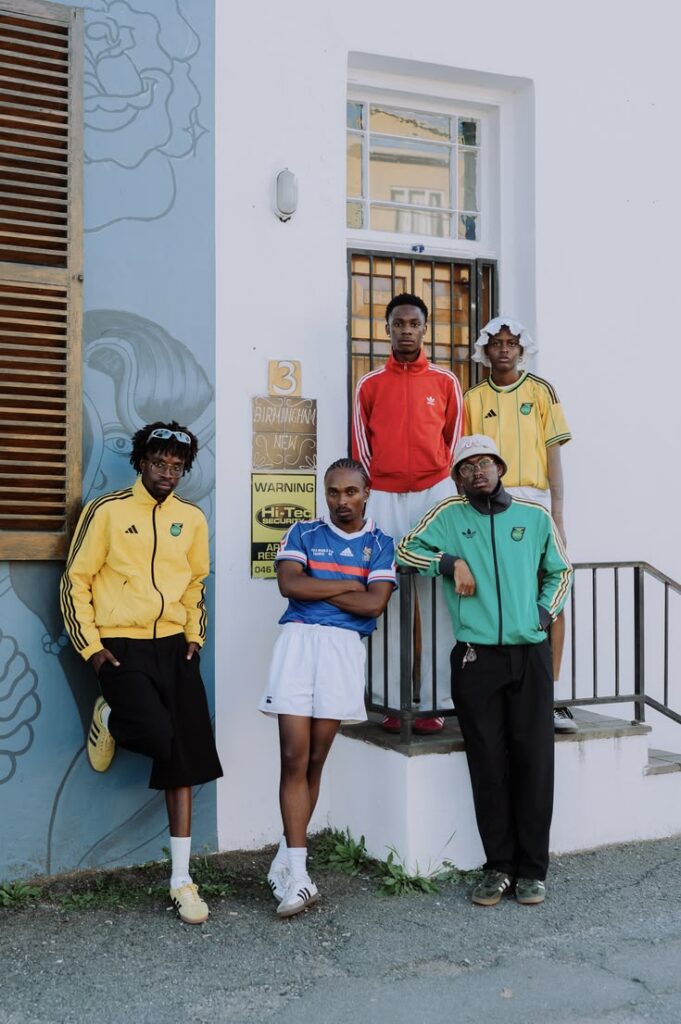
The rise of streetwear, vintage fashion, and football’s global influence has transformed jerseys into everyday fashion pieces. Today’s fans don’t just wear shirts to support a team; they wear them because they represent an era, a memory, a culture, or simply great design.
The Cross Over of Football and Culture
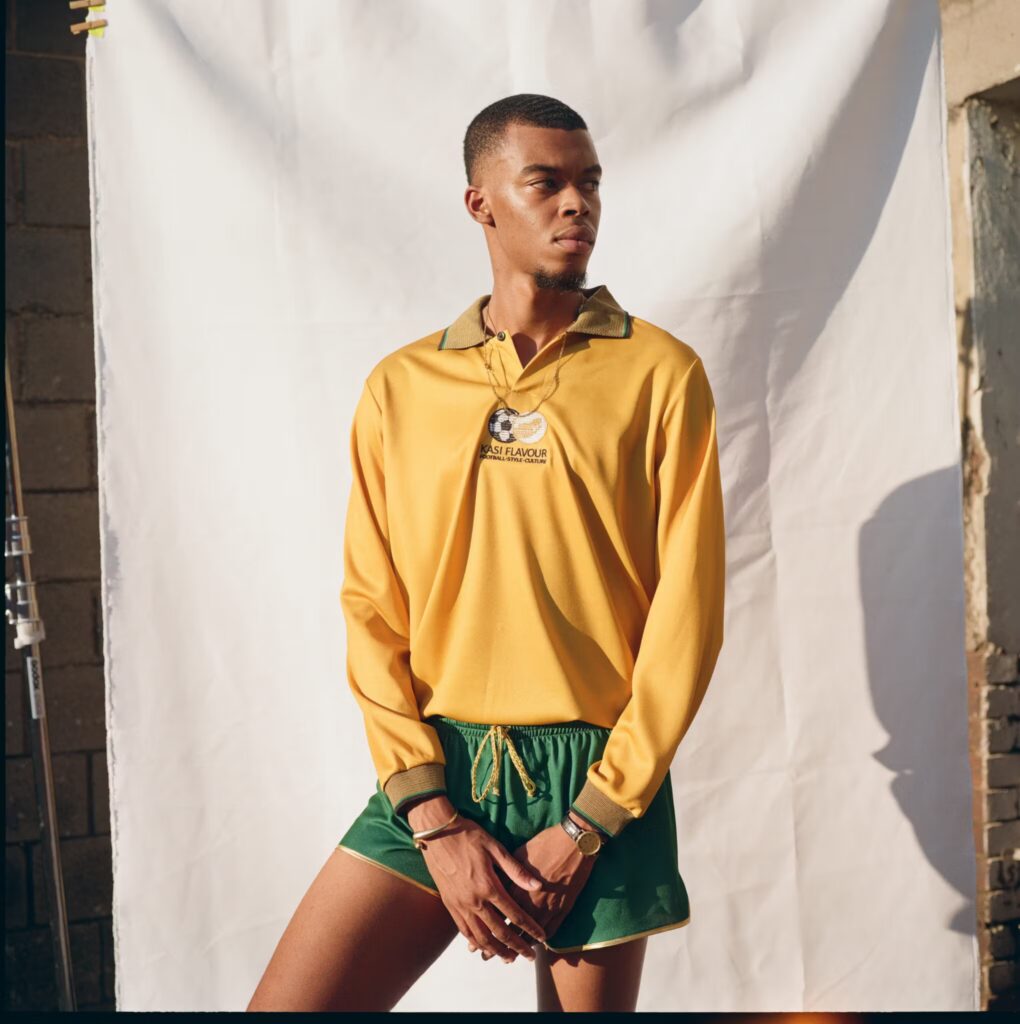
In South Africa, we’ve seen this crossover become increasingly visible. Designer Thebe Magugu’s collaboration with Orlando Pirates showed how football heritage can be reimagined through a luxury fashion lens, while local streetwear brand Kasi Flavour tapped into nostalgia by reviving the iconic colours of South Africa’s 1996 AFCON-winning Bafana Bafana team in a contemporary way.

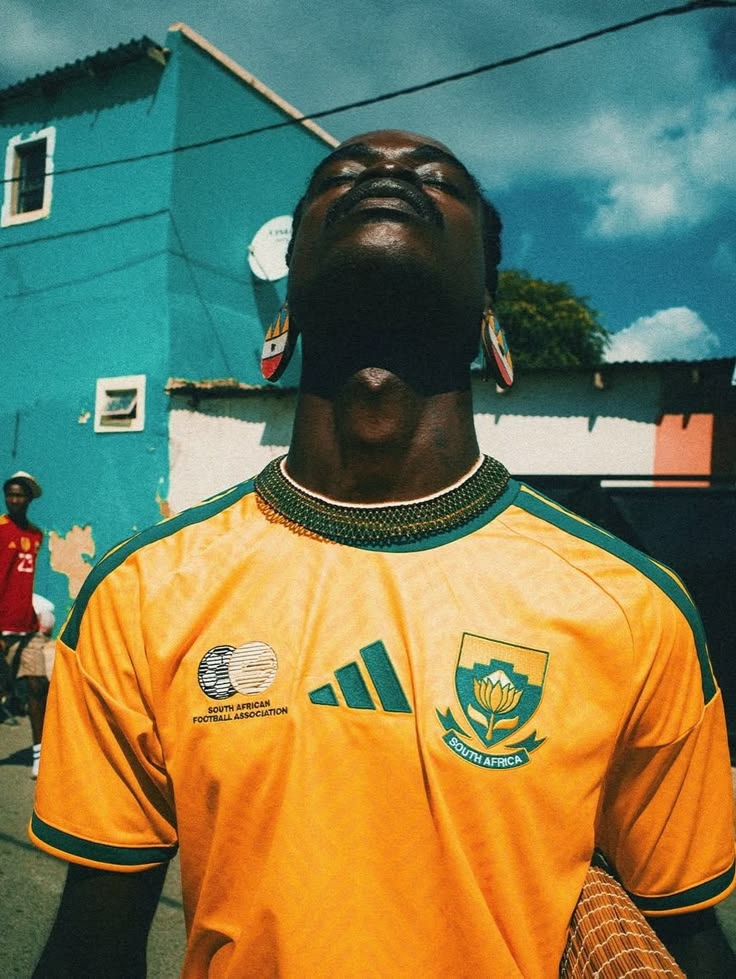
The connection makes sense. The same fan who spends weekends watching football is often listening to music, following fashion trends, attending cultural events, and expressing themselves through what they wear. Football has never existed in isolation; it has always been connected to the communities and cultures that support it.


The Dawn Of The Fifa 2026 World Cup
Globally, artists, musicians, DJs, and creatives have embraced football jerseys as part of their personal style. From hip-hop and grime to amapiano and house music, jerseys have become a staple in youth culture because they carry stories, memories, and a sense of belonging.
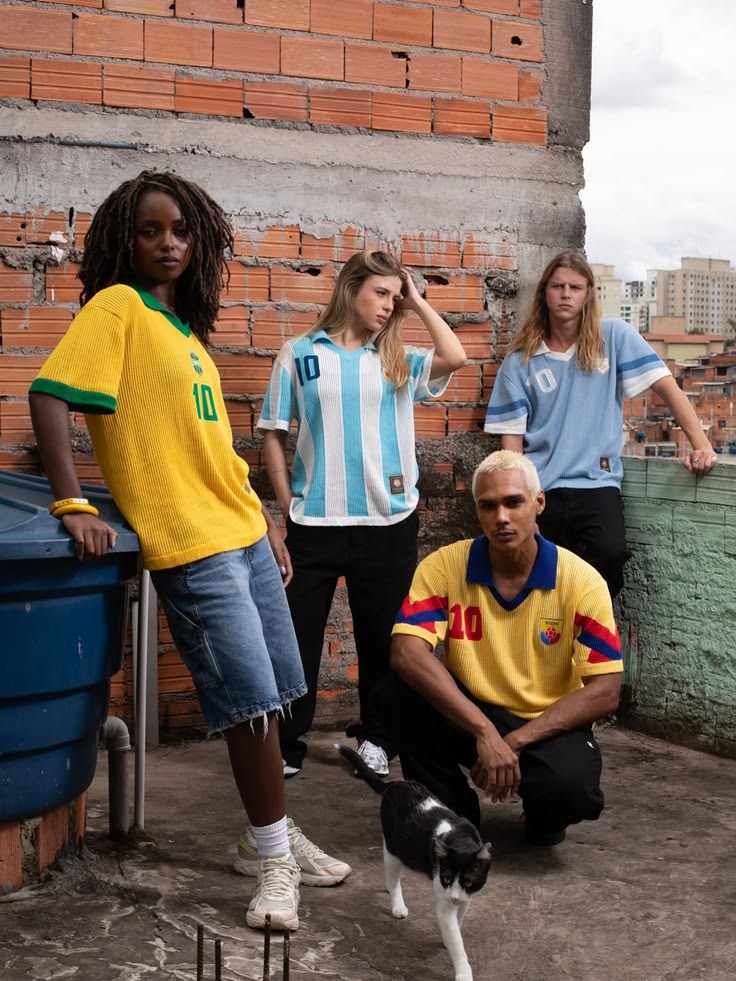
As another major international football tournament captures the world’s attention, one thing is clear: football jerseys are no longer just sportswear. They are cultural artefacts that connect generations, communities, and creative movements.
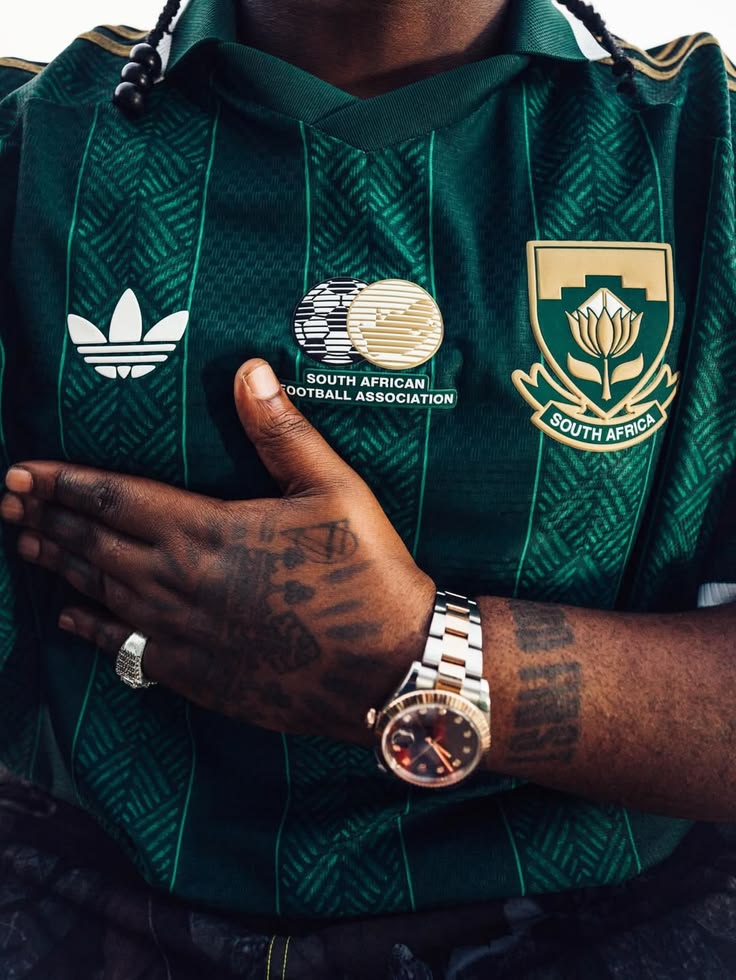
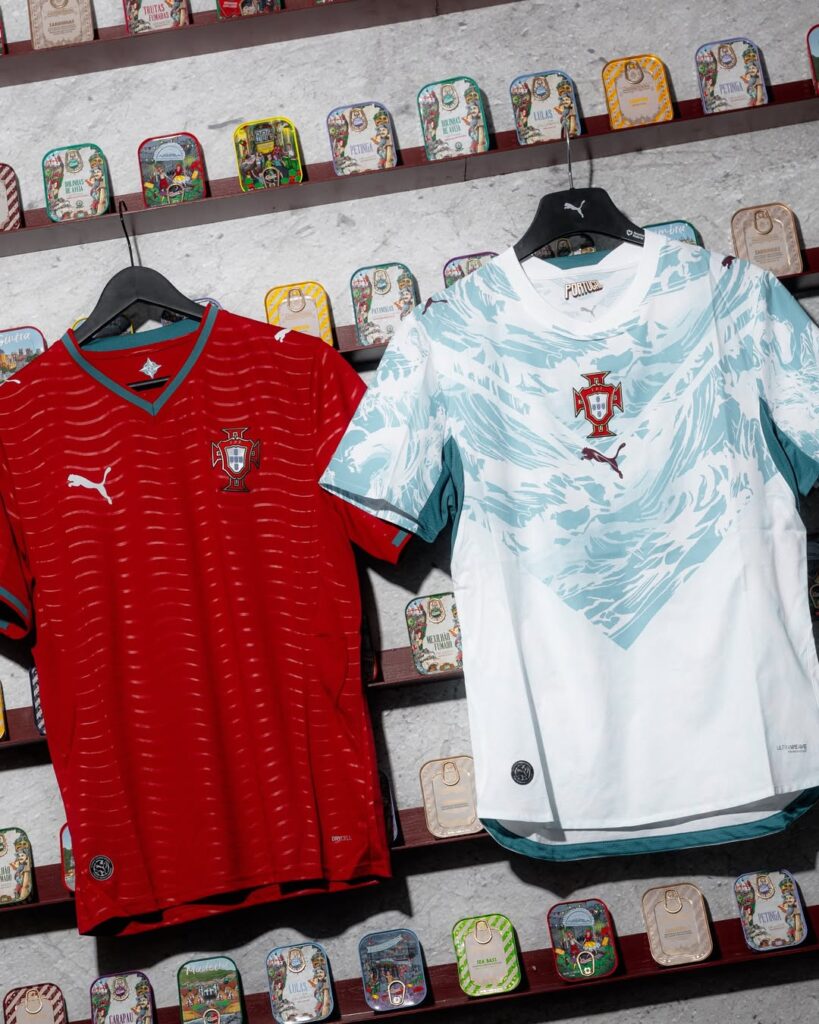
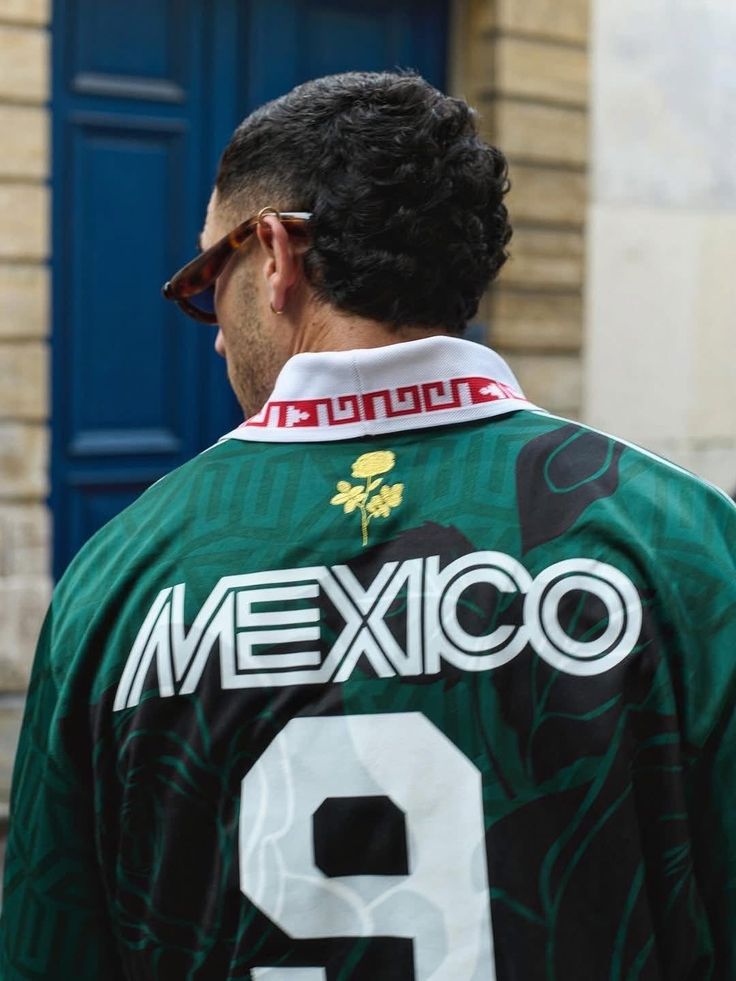
Whether you’re wearing a jersey because you support the team, love the design, or appreciate what it represents, you’re participating in a culture that extends far beyond the ninety minutes on the pitch.
The beautiful game has always been about more than football. The jersey is proof of that.