


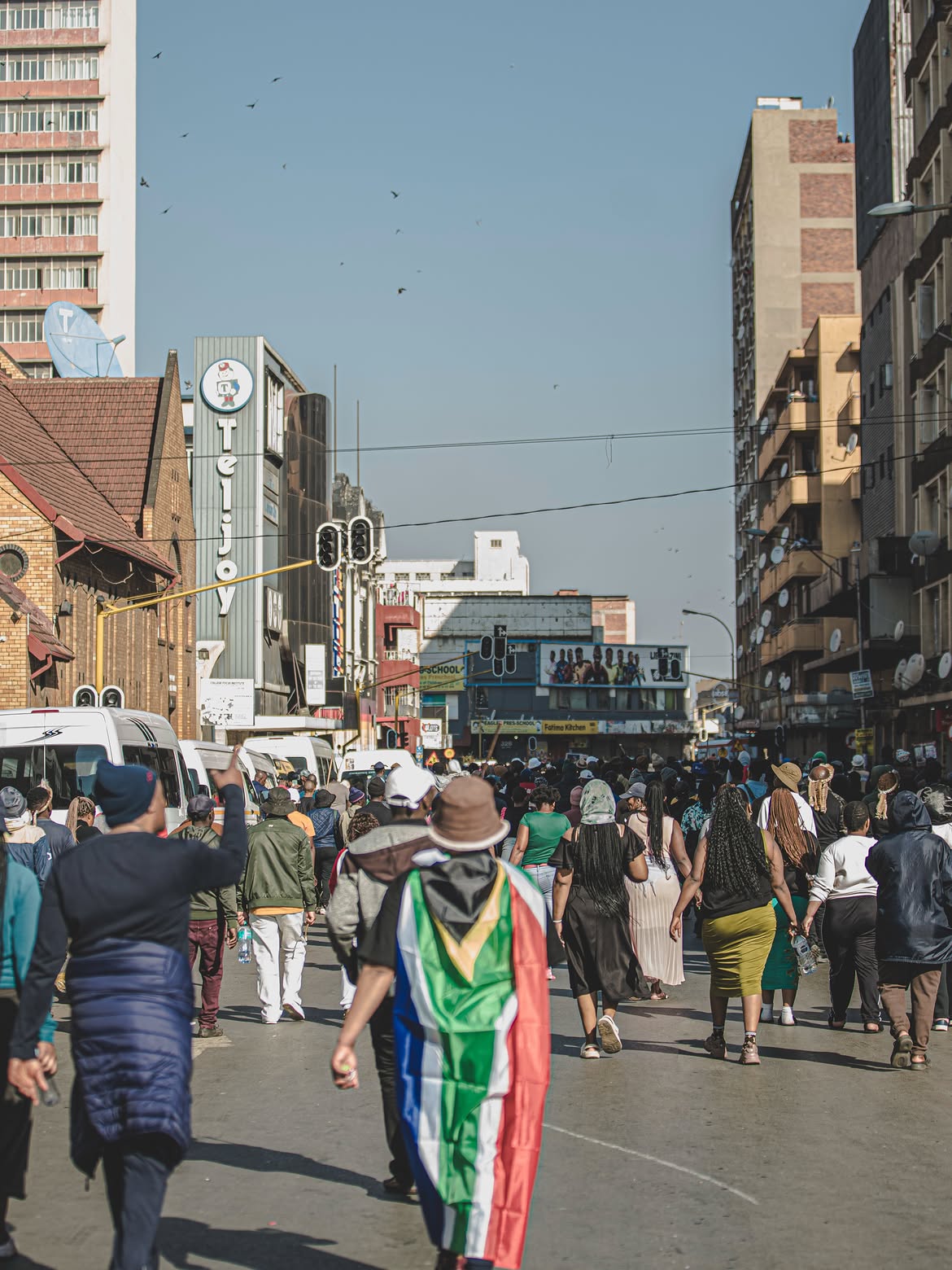

The story of 30 June wasn’t only about who took to the streets. It was also about who stayed away, why they stayed away, and what that says about a country carrying both frustration and fear.
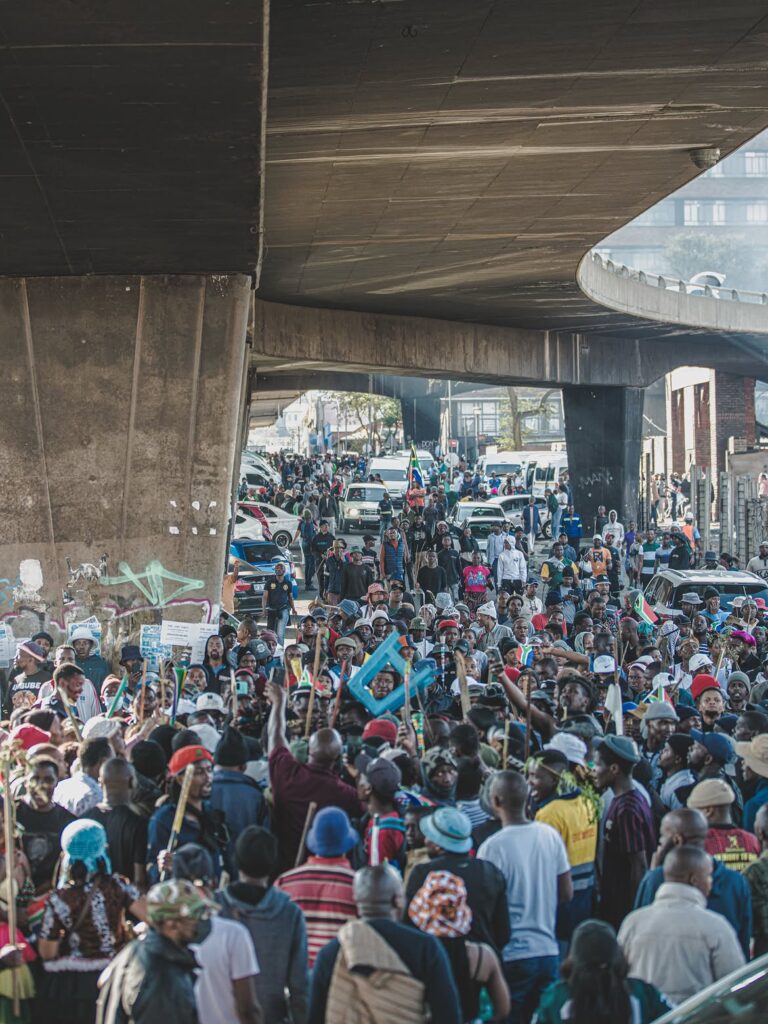
IMAGE CREDIT: Tshepiso Seleke [IG: @thedarkroomartist]
A Country On Edge
South Africa didn’t fall silent on the 30th of June. Protesters gathered in several cities, police maintained a visible presence, and the country watched closely as the March and March mobilisation unfolded.
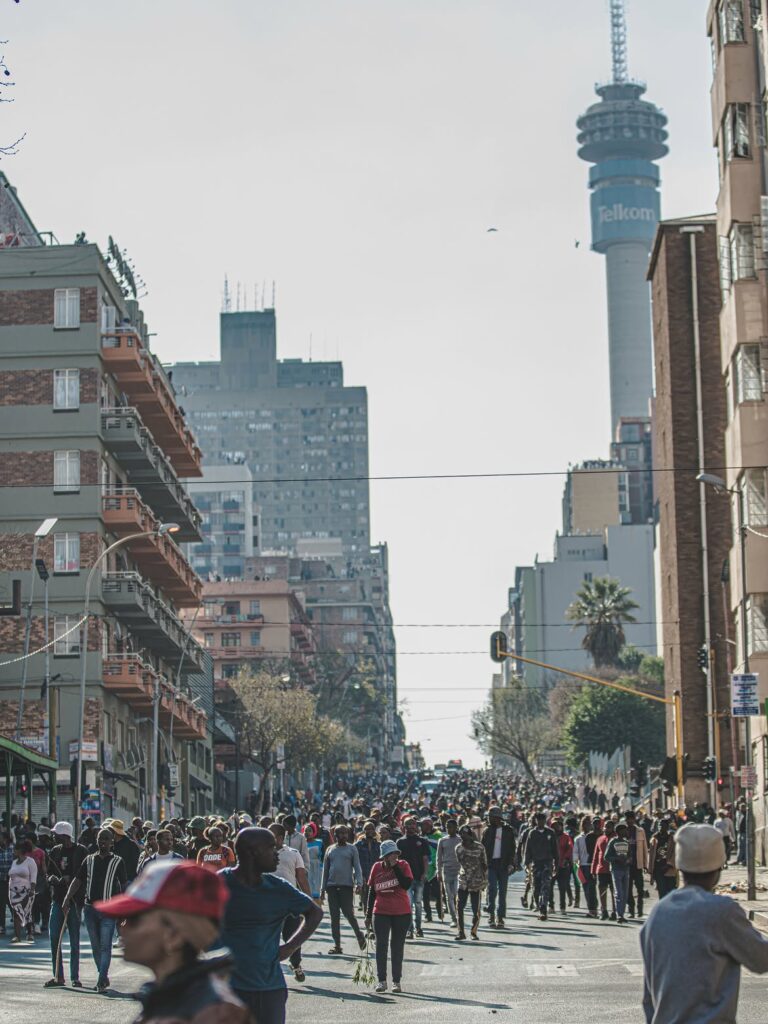
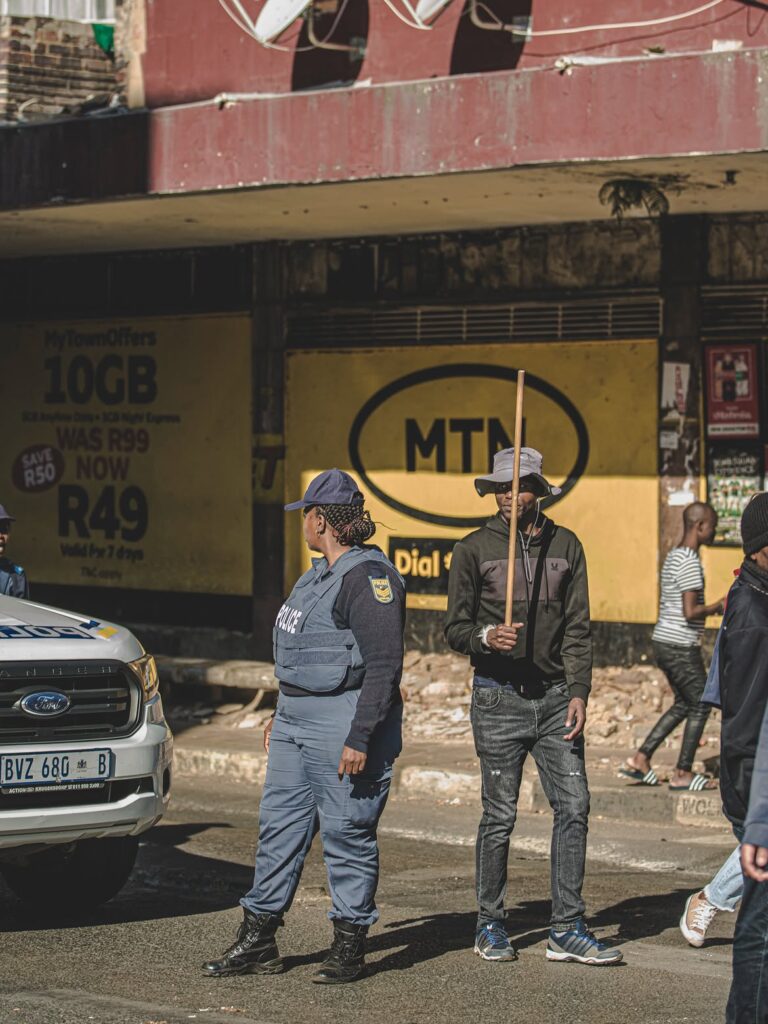
IMAGE CREDIT: Tshepiso Seleke [IG: @thedarkroomartist]
But alongside the demonstrations was another reality: many businesses closed early, workers stayed home, events were reconsidered, and countless people, particularly foreign nationals, moved through the day with caution. The mood wasn’t one of emptiness. It was one of anticipation.
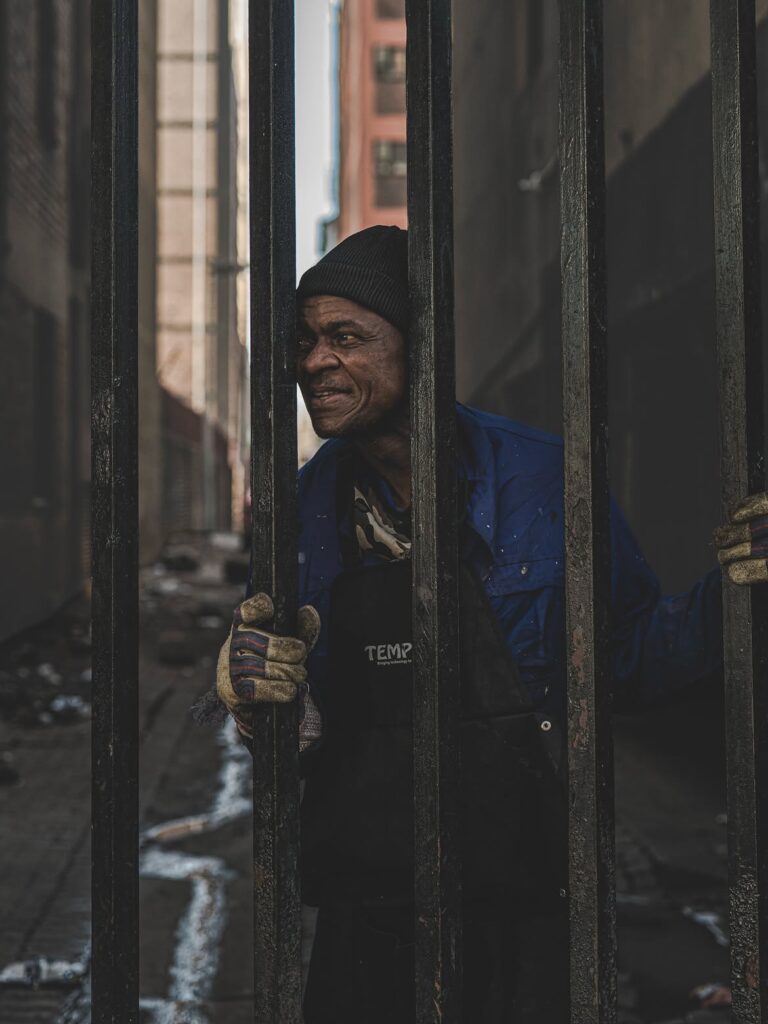
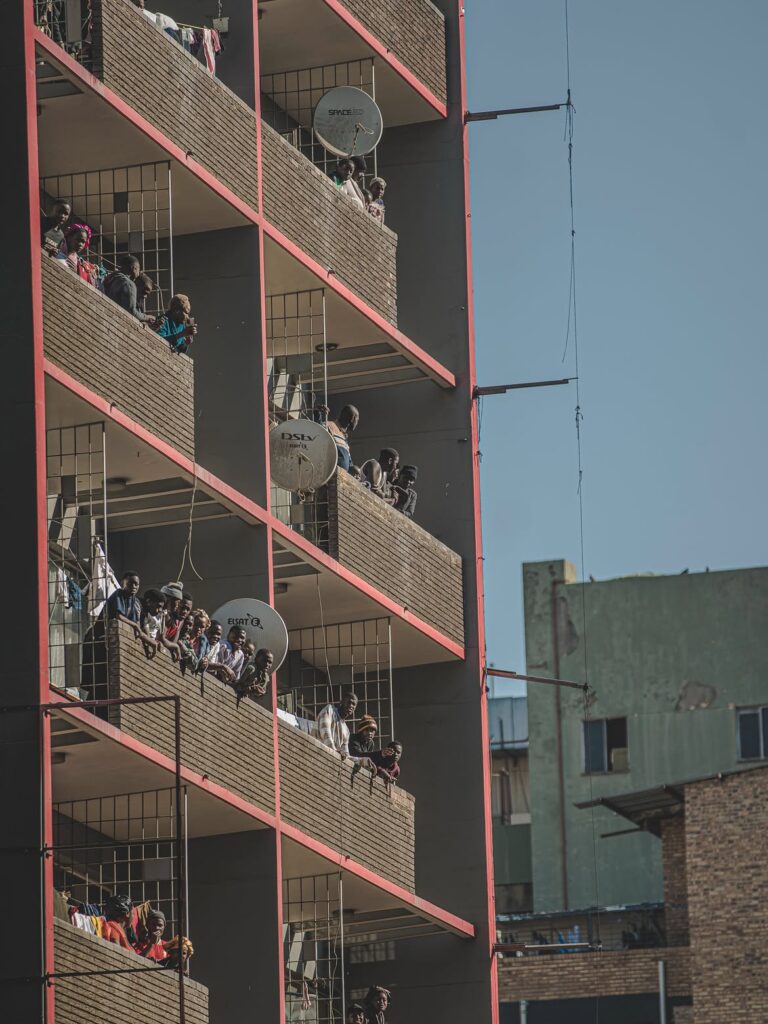
IMAGE CREDIT: Tshepiso Seleke [IG: @thedarkroomartist]
The Story Behind The Fear
The mobilisation was driven by a coalition of anti-immigration organisations calling for undocumented migrants to leave South Africa and for nationwide protests on 30 June. Organisers described it as a protest rather than a national shutdown, but the build-up to the day carried enough uncertainty to make many South Africans change their routines.
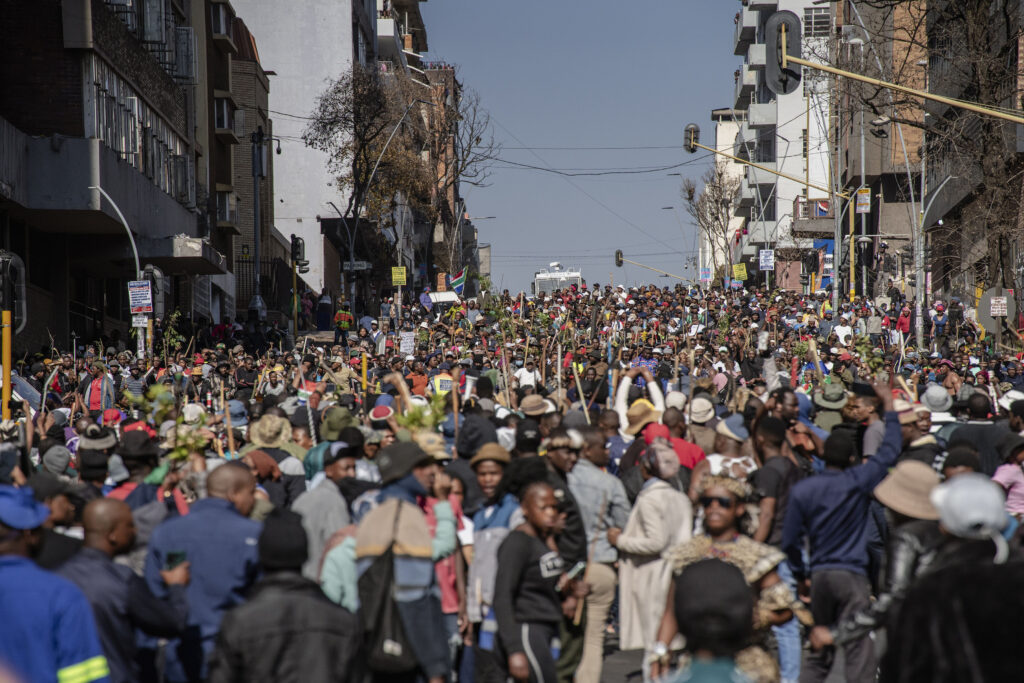
IMAGE CREDIT: [Ihsaan Haffejee]
That uncertainty was not imagined. In the weeks leading up to the march, reports emerged of violence linked to anti-immigrant protests, including attacks on foreign nationals, assaults on journalists covering the unrest, and the displacement of families in parts of KwaZulu-Natal.
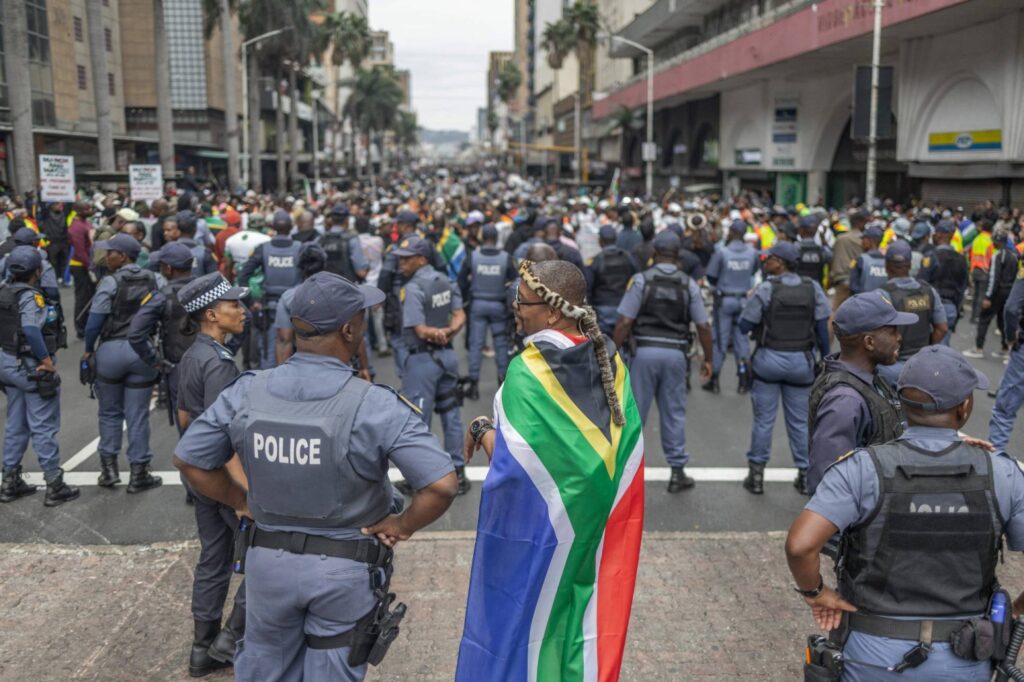
IMAGE CREDIT: [RAJESH JANTILAL ]
What The Streets Told Us
For us at Between 10and5, the most interesting question is not only what happened politically, but what happened culturally.
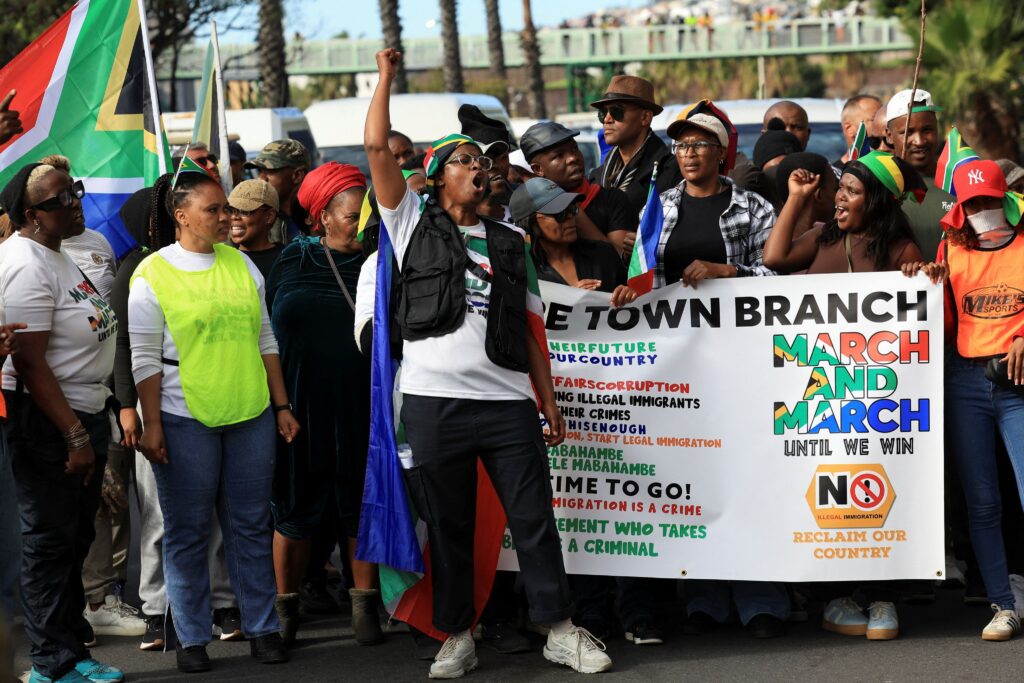
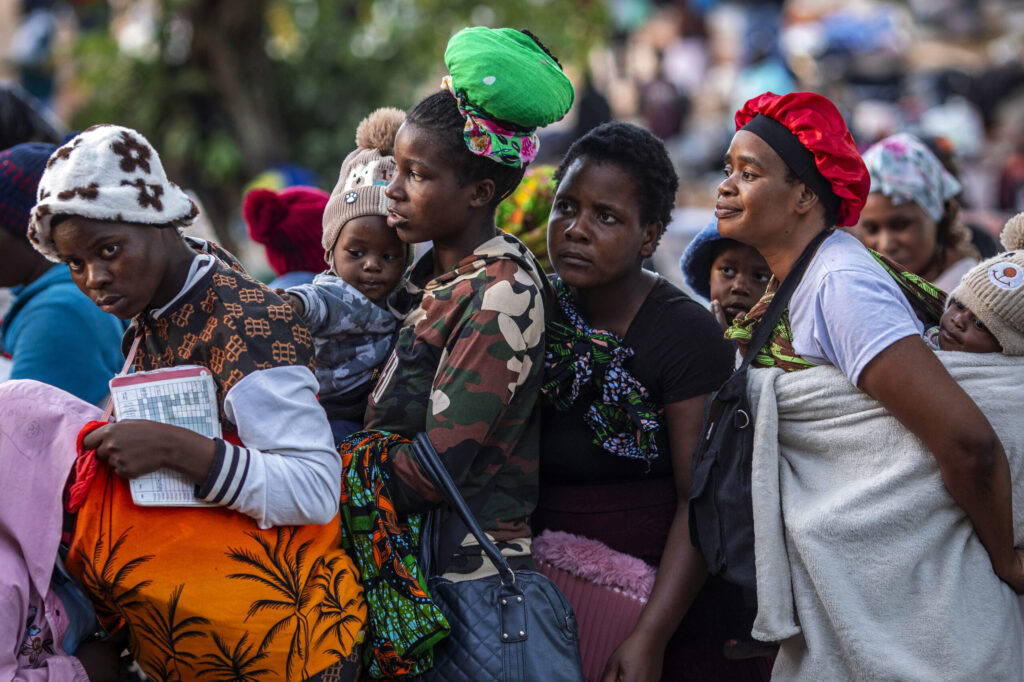
IMAGE CREDIT RIGHT TO LEFT: Reuters/Esa Alexander and Getty Images
A Mood Larger Than The March
High unemployment, economic pressure, failing public services and years of inequality have created deep frustration within the South African people on the ground. But 30 June also showed how quickly that frustration can become a broader public issue, one that affects not only politics, but how people move through cities, support local businesses, attend cultural events and engage with one another.
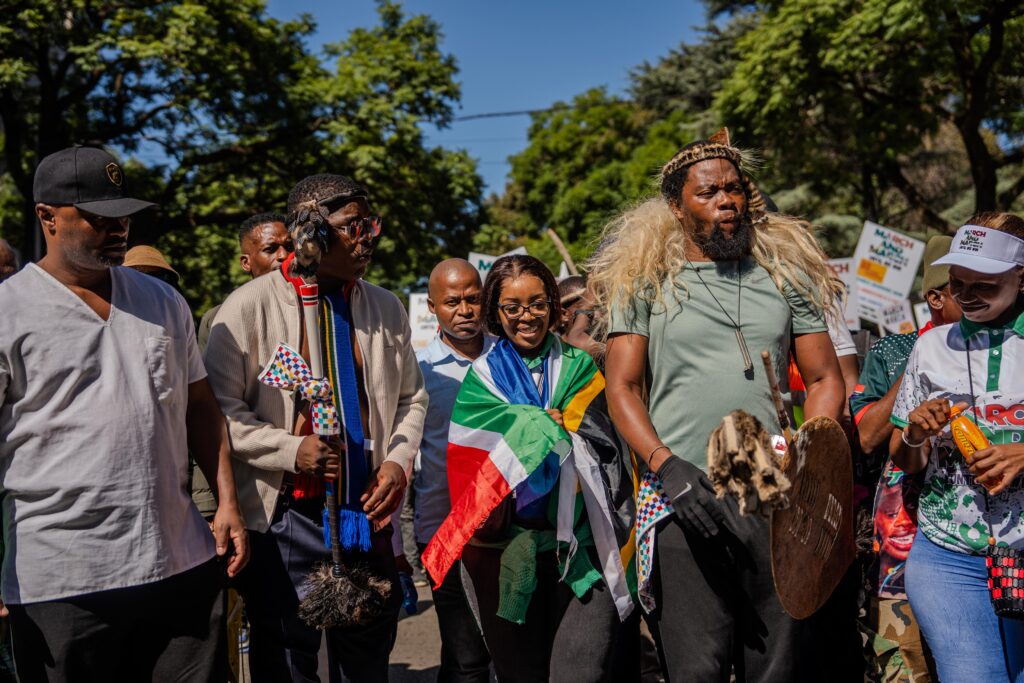
IMAGE CREDIT: [Katlego Jiyane/EWN]
Beyond The Headlines
Whether people supported the march and march movement, opposed it, or simply wanted to avoid trouble, the day left a clear impression, South Africa is wrestling with questions that go far beyond a single protest. That is the real cultural takeaway, the story of 30 June was not only about the people who marched, It was also about the people who stayed home, the conversations that happened behind closed doors and the uneasy feeling that settled over many communities as the country tried to figure out what comes next.
#EndXenophobia #SouthAfrica