


![10and5 169 [MISHY KOPE]](https://10and5.com/wp-content/uploads/2026/08/10and5-169-MISHY-KOPE-scaled.jpg)

Finding a Sound That Feels Like Home
For this edition of CREATIVES SPOTLIGHT, we turn our attention to Mishy Kope, a South African singer and songwriter whose music sits at the intersection of Afro-folk, soul and cultural storytelling. Rooted in her Eastern Cape upbringing and the richness of isiXhosa, Mishy uses music to explore identity, relationships, everyday life and the experiences that shape us. From her early beginnings in school and church choirs to the release of songs including ‘Qongqotha’, ‘Mama’, ‘Mntakwethu’ and ‘UNGOWAM’, her work continues to evolve while remaining grounded in authenticity and heritage.
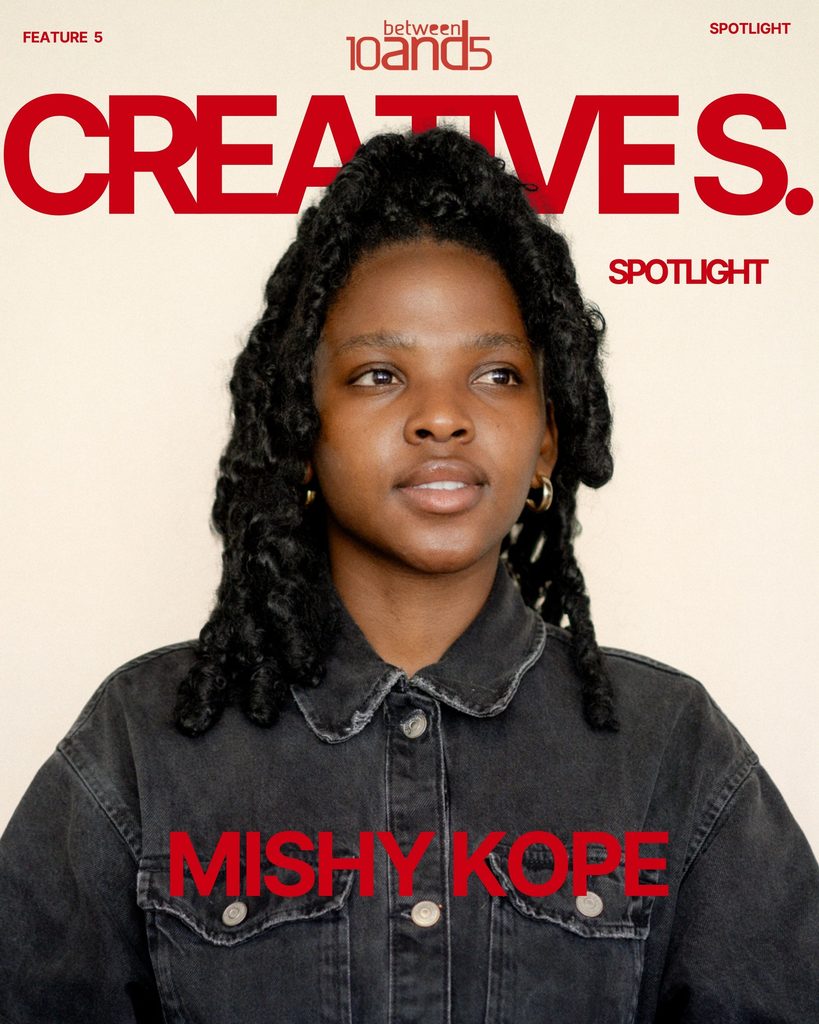
We get to know the artist behind the music, her influences, creative journey, relationship with language and what she hopes to express through her evolving sound.
Finding freedom in language
For Mishy, language is more than a vehicle for communicating an idea. Writing in isiXhosa has become a way of accessing parts of herself that might otherwise remain out of reach.
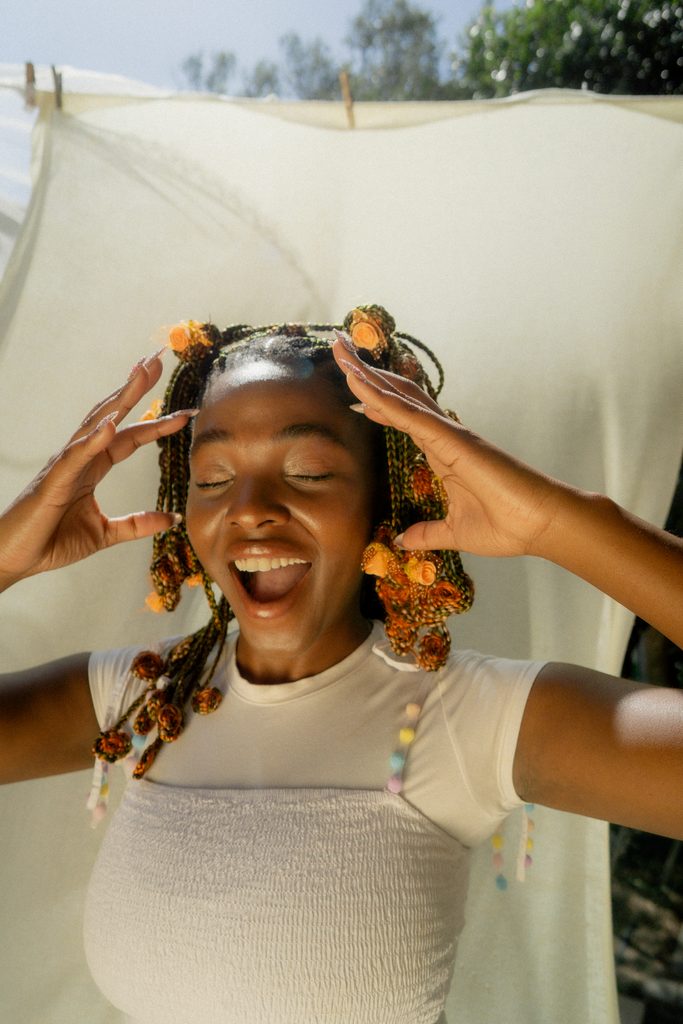
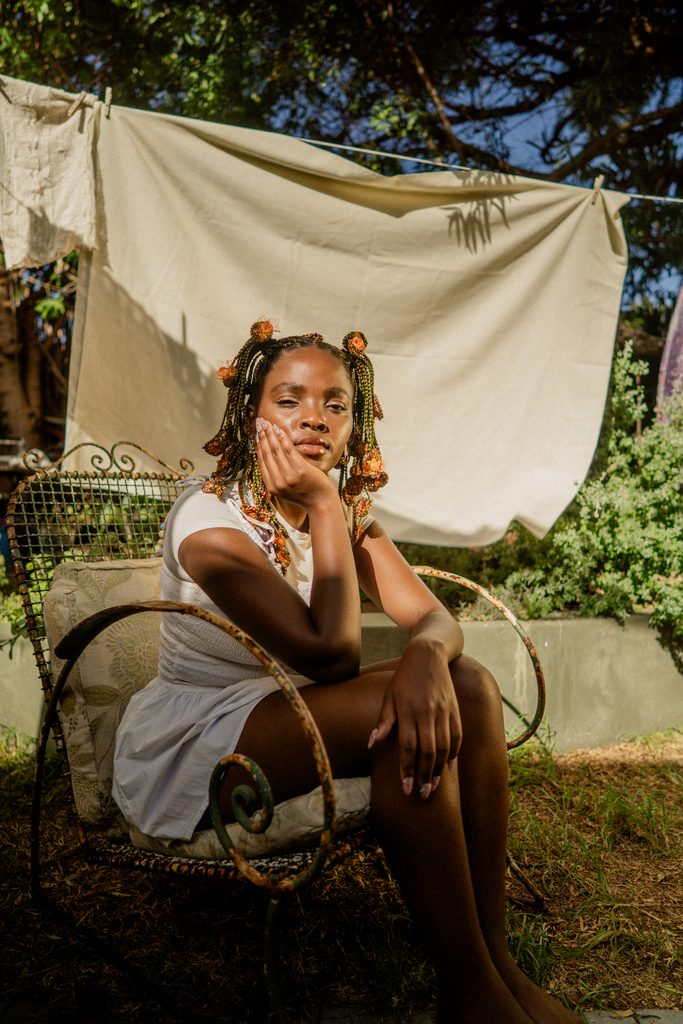
“Creating in my language has helped me express myself in ways I could never if I was creating in any other language,” she says. There is an intimacy in being able to create from a place that feels instinctive, allowing her to reach her deepest emotions without having to translate them first. That connection is also deeply personal. Writing in isiXhosa represents a sense of pride in who she is and where she comes from. “It is also just my pride and joy to be able to write in isiXhosa because I love everything about being Xhosa,” she says.
It was through this relationship with language that Mishy began to discover the sound that would ultimately feel most authentic to her.
From serving to connecting
Before music became a professional creative pursuit, Mishy encountered it through church and school choirs, spaces where singing was fundamentally about collective experience. Looking back, she remembers church singing as being less about individual performance and more about connection.
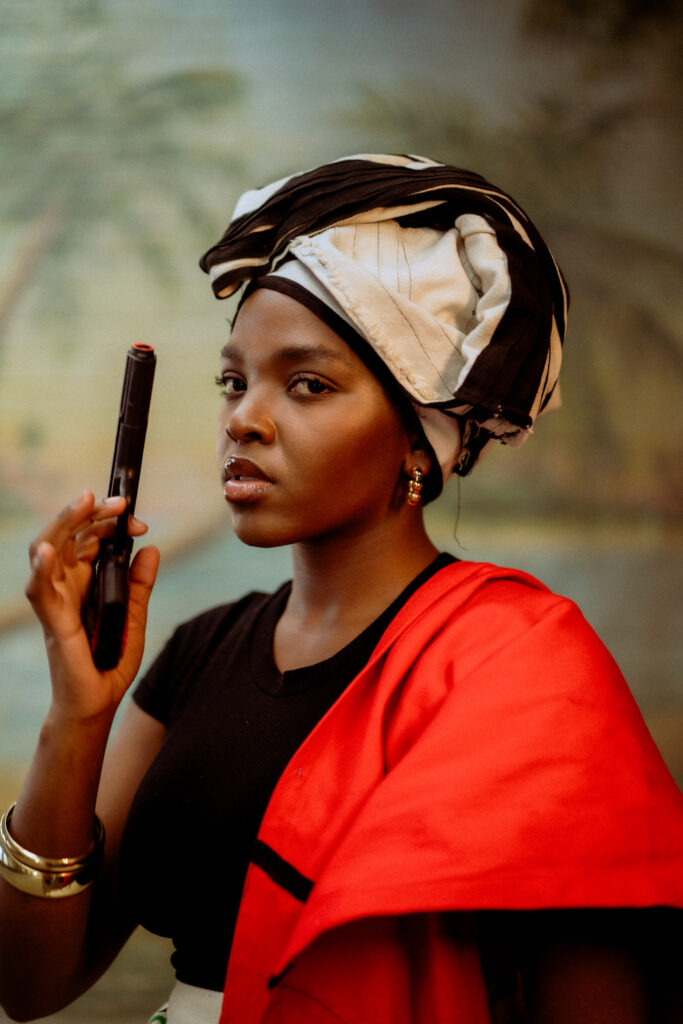
“Singing in the church was always less about the individual singing, it was more about connecting people with their ‘god’, it was about serving.”
Although she no longer occupies that world, the principle has stayed with her. Today, she approaches music with a similar sense of responsibility to something larger than herself. The song is not simply an expression of the artist; it becomes a space for someone else to find themselves. “The music is less about me. It’s about the person that will hear a lyric and connect to it in a healing, eye-opening way or just simply resonating with the feeling of it.” she adds.
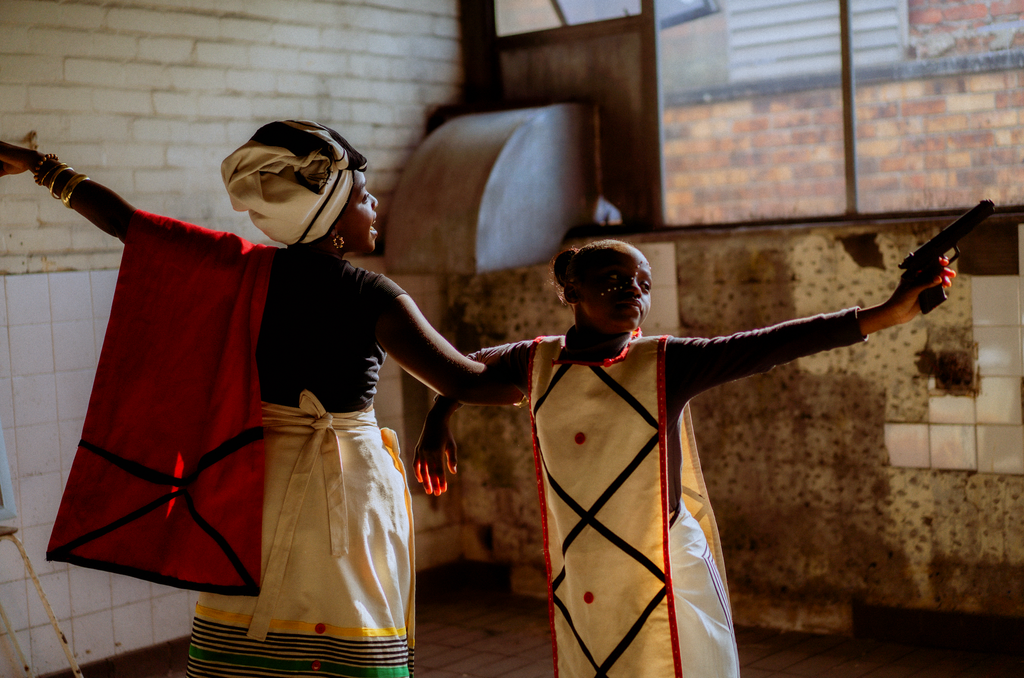
That idea of connection extends to her memories of school choirs, where the collective energy and unity of singing together continue to inform her creative practice. The result is music that leaves room for the listener, music that can become personal to someone beyond the person who wrote it.
Vulnerability As A Creative Practice
Mishy’s songwriting is rooted in the belief that there is something universal within our individual experiences. She describes humans as “quite complex beings with so many interesting layers”, acknowledging how different our lives can be while recognising the common ground that exists underneath those differences.
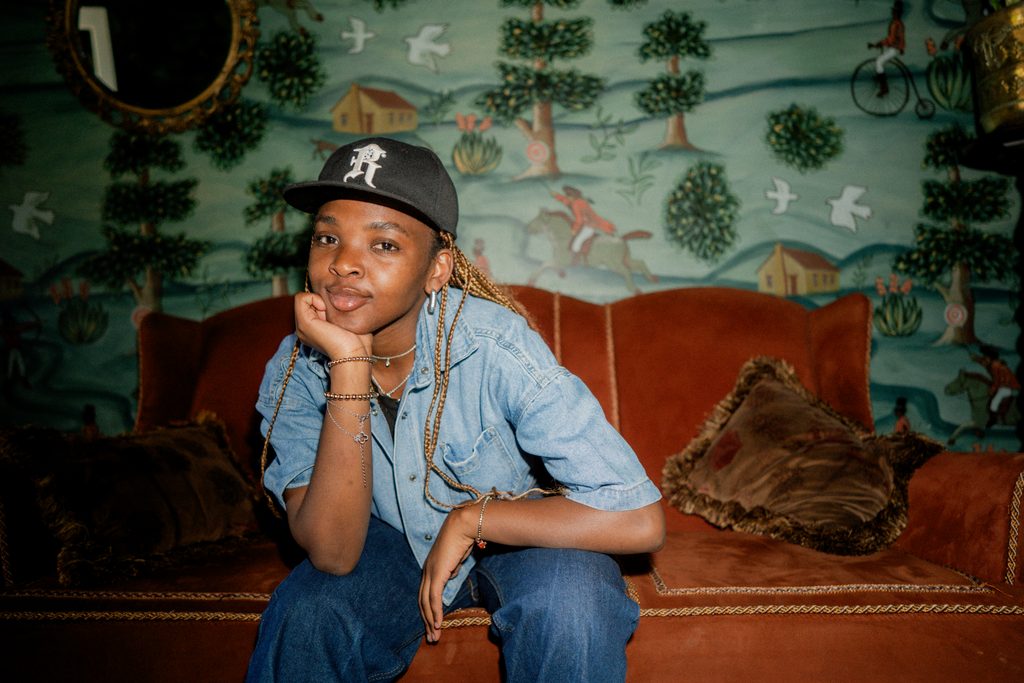
For her, songwriting has become a way of exploring that space. “Tapping into my true self without feeling any shame or judgement, allowing myself to be vulnerable when writing, to heal myself or just to have an outlet has been such a gift to myself,” she explains.
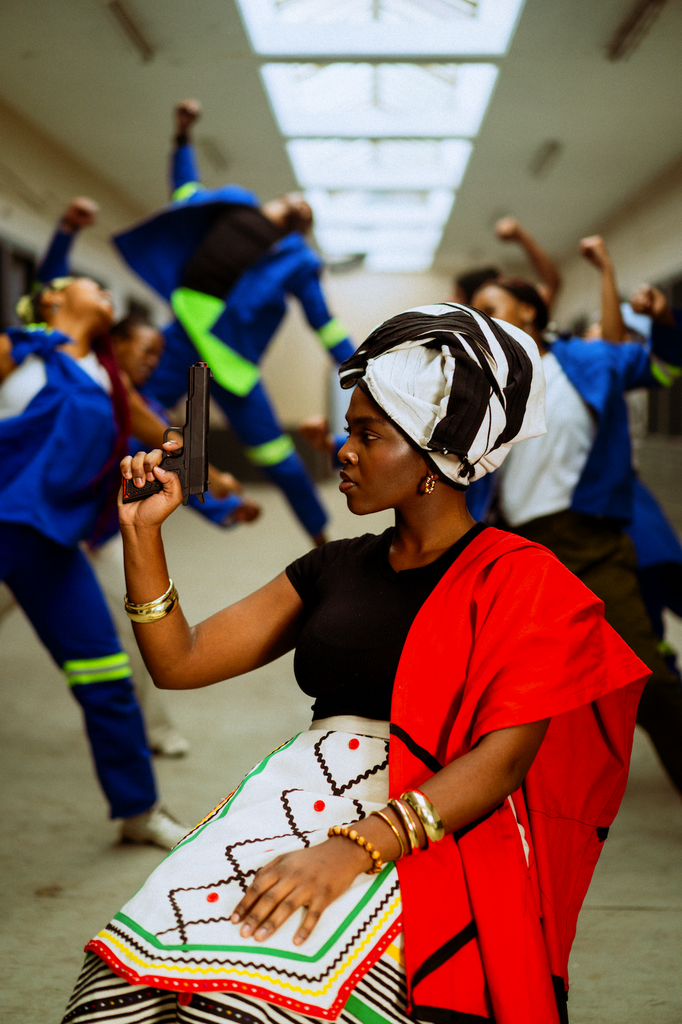
It is this balance between introspection and connection that gives her songwriting its emotional weight. The stories may begin with Mishy, but they are ultimately open to interpretation and ownership by whoever hears them. “When others can resonate it feels even more worth it.” She adds.
When the sound became clear
Mishy’s movement away from the pop sound of her 2022 debut ‘I’ll Wait’ towards the Afro-folk and soul influences that now define her work was not an overnight decision. It was the culmination of a search for something that felt more distinctly her own. She knew the shift was coming. “I had been searching for it for quite a while,” she says. The turning point arrived when she began writing music in isiXhosa. “When I started writing music in my own language the music felt bigger than me. It felt like a calling I had to respond to and it had to be a specific sound.”
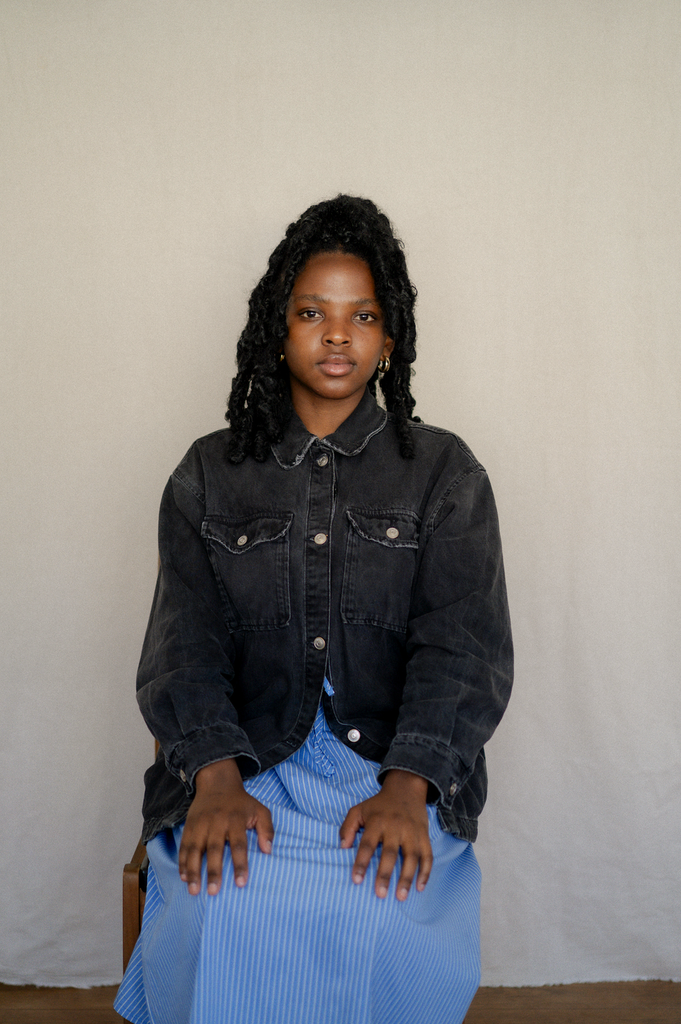
That distinction, music feeling bigger than her, speaks to the larger philosophy running through Mishy’s practice. From the communal experience of church and school choirs to her belief in music as a source of healing and recognition, her work has consistently been about connection. Following that instinct required trusting herself enough to move away from what she had already established and towards something less certain, but more authentic.
“I’m truly happy that I followed my heart and took that path.”
Today, that path continues to unfold through a growing body of music that places isiXhosa, heritage and honest storytelling at its centre. For Mishy Kope, finding her sound has also meant finding a deeper relationship with herself and creating music that allows others to find something of themselves in it too.