


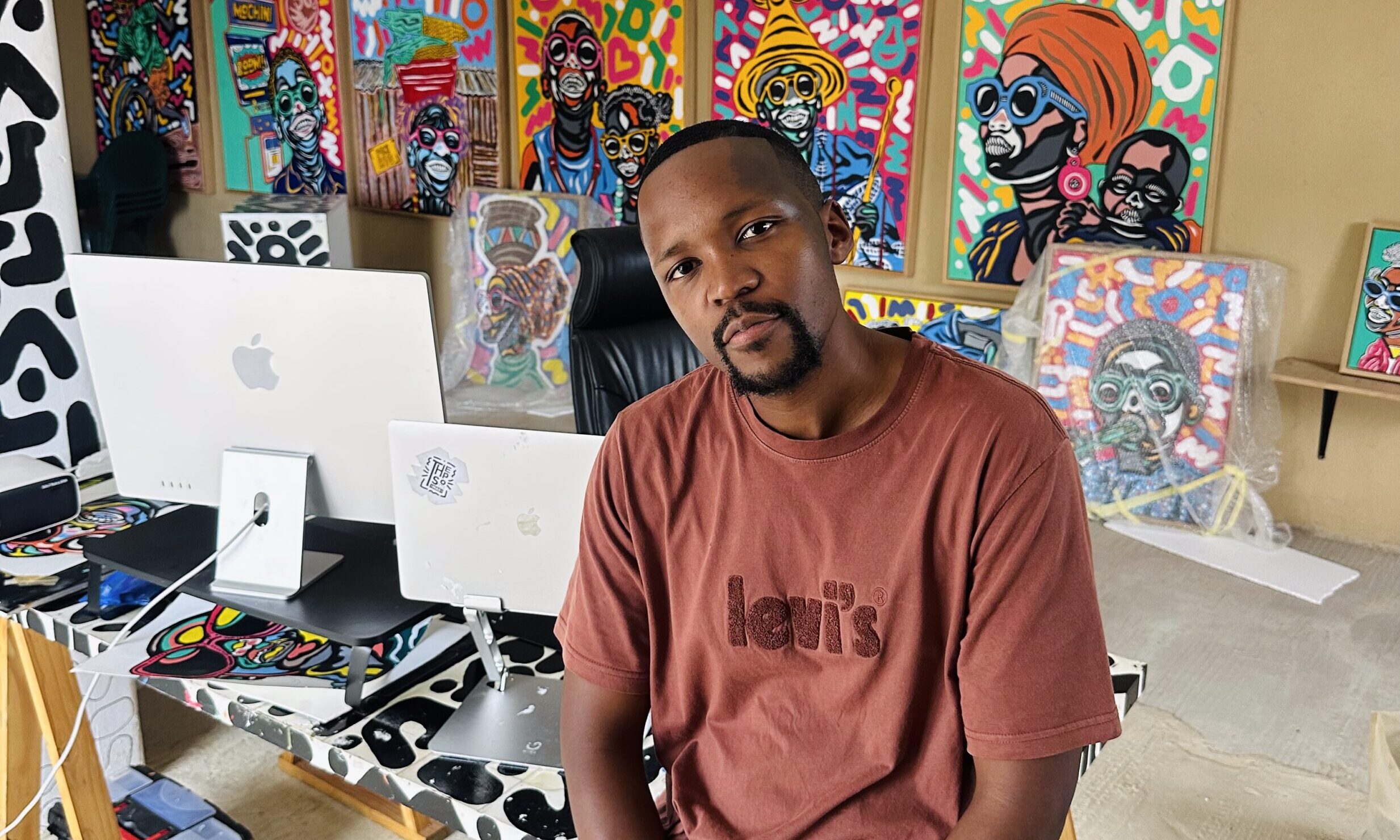

Between 10and5 caught up with South African illustrator Tshepo Masilo to talk about finding his visual voice, drawing inspiration from township life and how illustrators are increasingly working with brands.
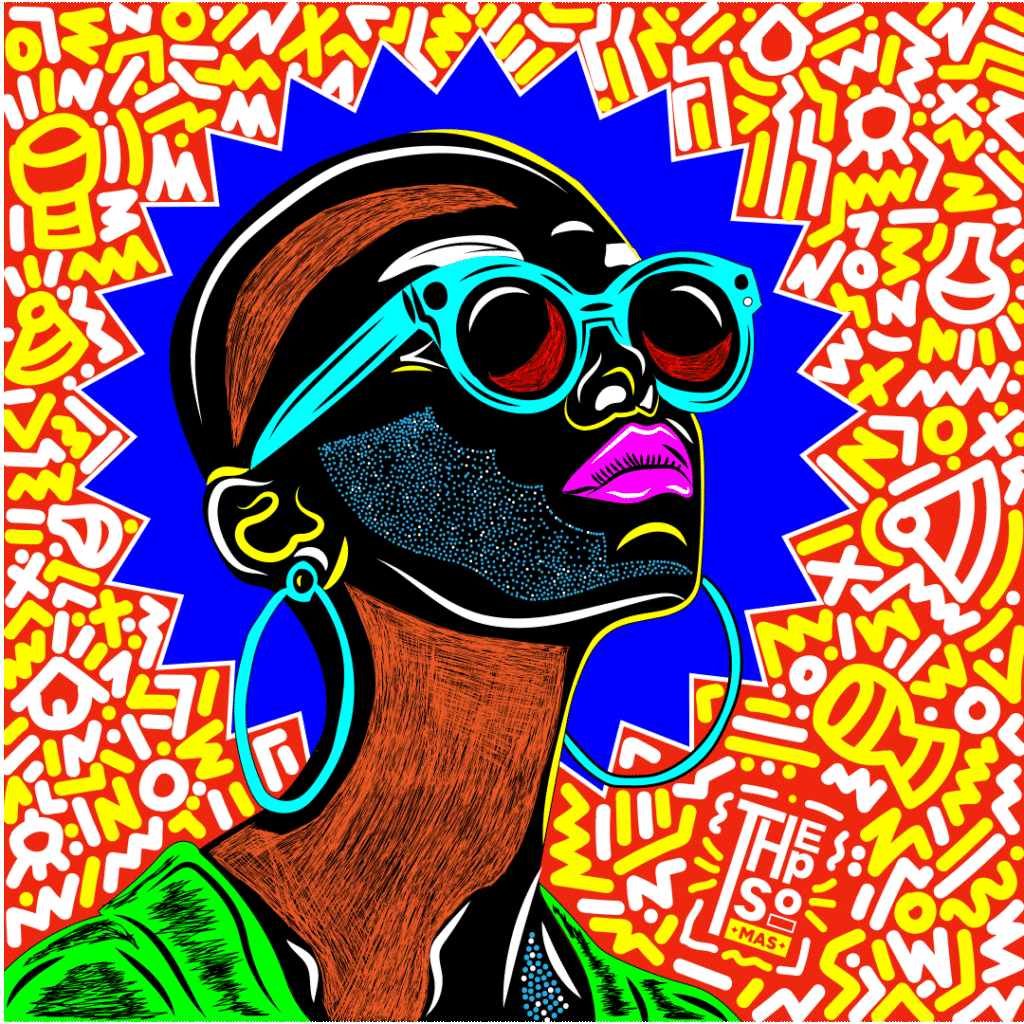
Born and raised in Parys in the Free State, Masilo’s work is rooted in the visual language of everyday South African experience. His illustrations draw from heritage, culture and township life, using bold colour and contemporary styling to document how people live, survive and express themselves.
His perspective comes at a moment when illustration is gaining new ground in the commercial world. Across Africa, a new generation of illustrators is moving beyond editorial and gallery spaces into advertising, fashion and brand storytelling. As companies search for visuals that feel authentic and culturally grounded, illustrators like Masilo are helping shape how brands connect with young, urban audiences.
We asked Masilo about his journey as an illustrator and how he approaches culture, colour and collaboration with brands. Read the full interview below.
Your work has a strong visual identity. When did you feel you had found your voice as an illustrator?
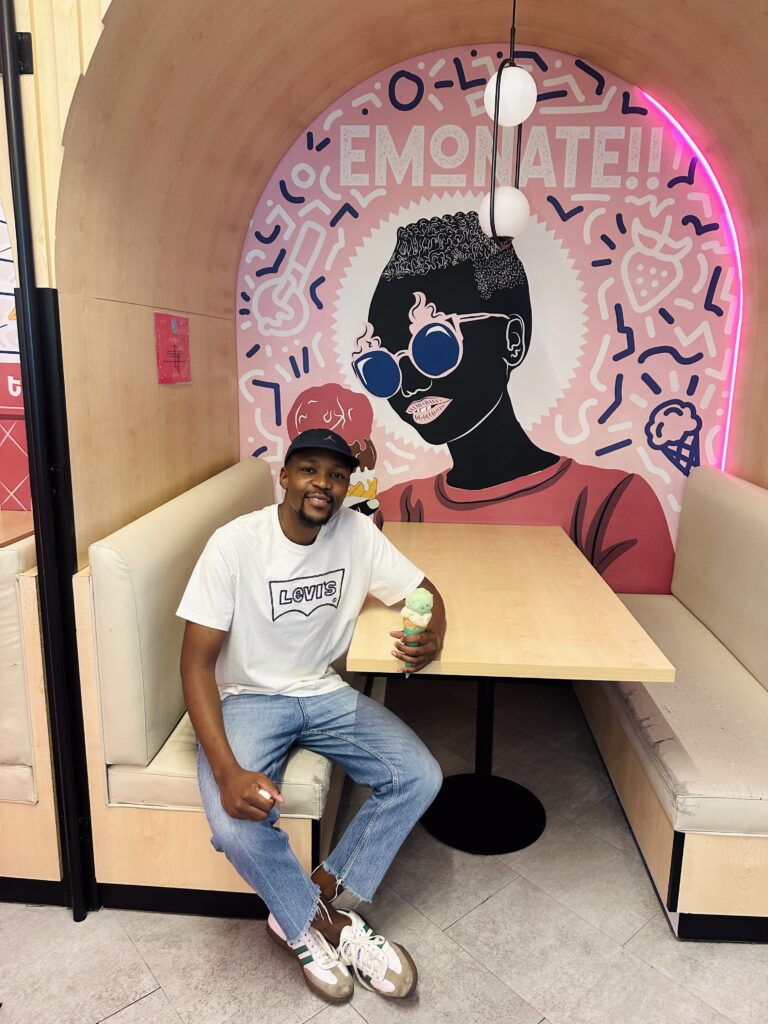
Around 2020 and 2021 I was messing around with illustration styles and just sharpening the skill and just found my subject matter being African stories and South African culture and township life. A year later in 2022 there was a takealot heritage box design competition to celebrate south African and our heritage. This competition was right up my alley based on my subject matter so winning it made me feel like I have found my voice as an illustrator. It was just reaffirming

A lot of your work reflects contemporary African life and style. What parts of everyday culture inspire you the most?
Well, I grew up in a very small township in a small town in the free state (Parys), I think growing up in a township is an experience of its own because it is very much rich in culture. The inspiration really comes from just how we live, the things that represent us, the things we do to survive (making ends meet) and just documenting the stories and history from my grandmother and using visuals to do so.
How do you approach colour and mood when you want an illustration to communicate a specific feeling or story?
Honestly, with colour I really let the artwork guide me, but the idea is to always use bright colours and complimentary colours, the work I do Is meant to educate and tell our stories. The mood is always happy or cheerful so with the use of bright colours it automatically captures the mood.
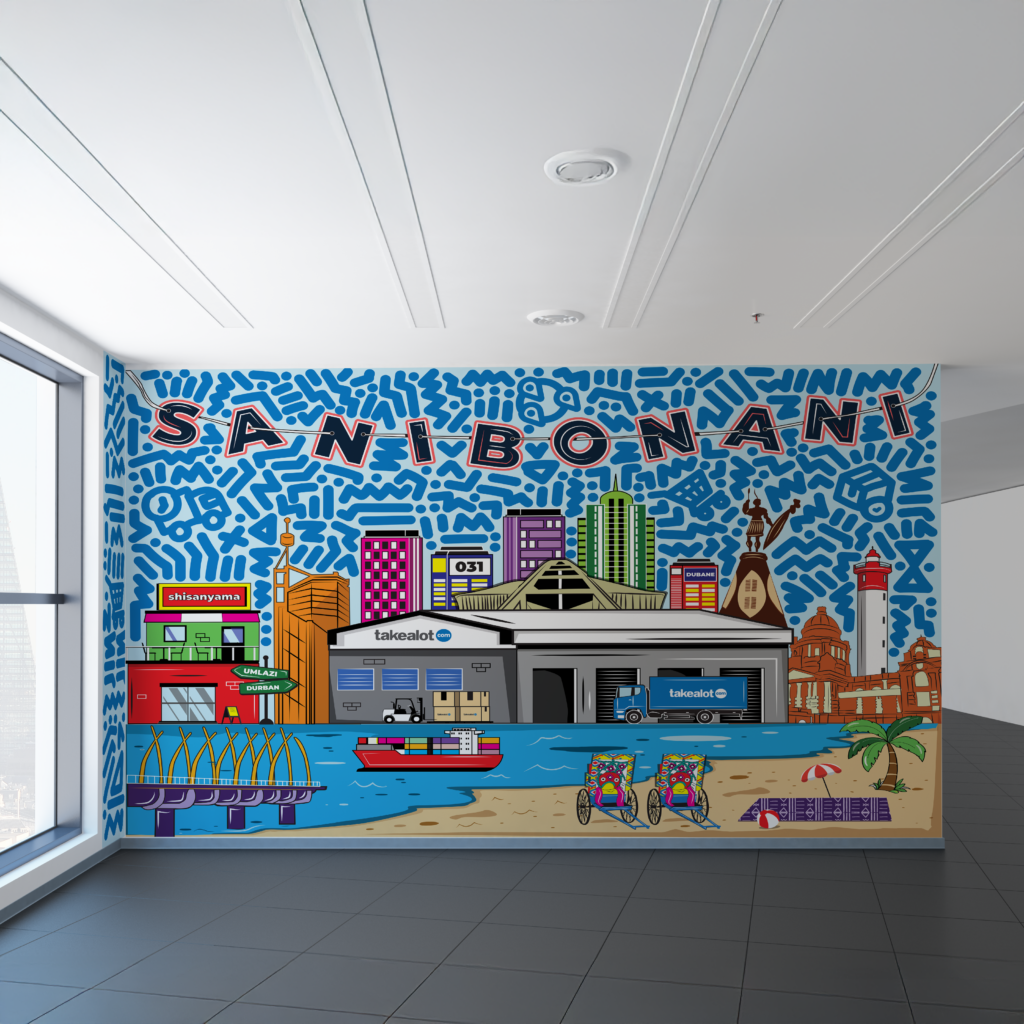
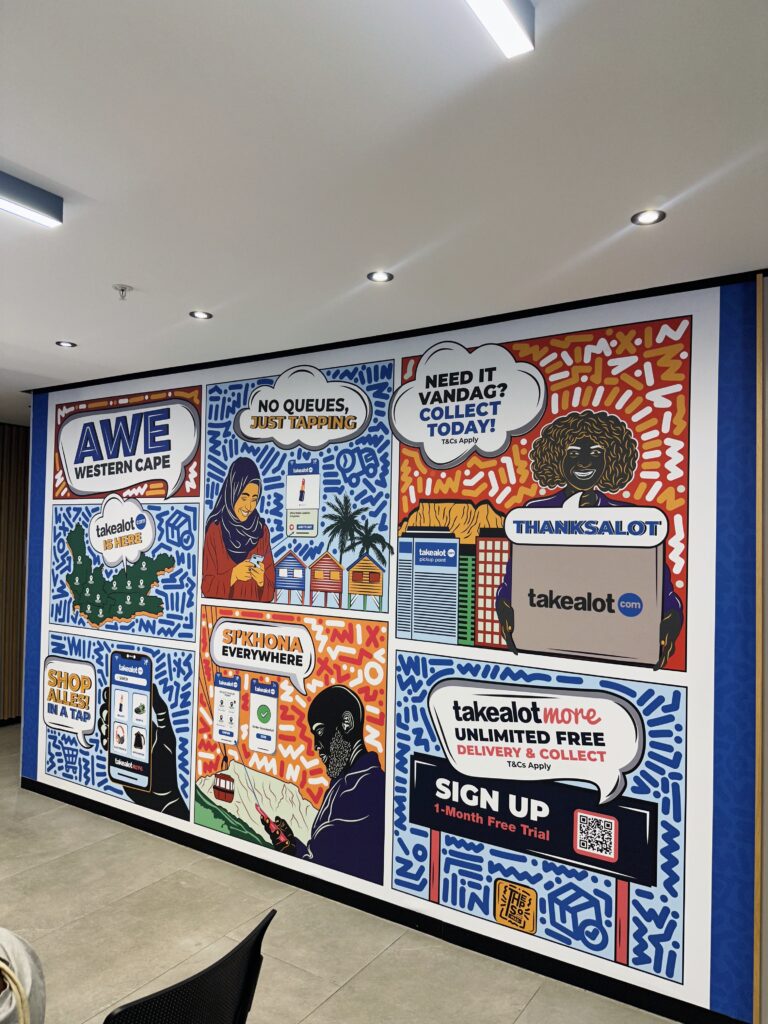
Illustration is becoming more visible in advertising and brand campaigns. Why do you think brands are turning to illustrators right now?
I can’t really pinpoint why because I am not sure. But I really think they’re also tired of the corporate style and look. Some brands I think reach out to illustrators also because they are targeting a certain demographic or target audience and besides I think some also do these campaigns with illustrators to set them apart from their competitors. I stand to be corrected though.
When working with a brand, how do you make sure the work still feels like you?
Before everything else we need to remember that when working with these brands its collaboration and not compromise. Before the work starts I usually send out a client questionnaire form for them to answer a few questions about the project. Based on the answers I can somewhat tell if there is room for me to still be able to express myself while also catering to the clients needs and providing value. Well another upside to it is that I’d like to believe that my work is a bit niche so when client reach out to me in most cases they know what to expect from me.

Social media has become a portfolio for many creatives. How has Instagram shaped your opportunities or the way you present your work?
To be honest Instagram in particular for me has been more of a platform where I can share my work and just build a portfolio before I had a website, it has been a platform that just shows what I can do but it hasn’t really resulted in solid leads for me. Platforms like LinkedIn has worked for me because for me that is where the decision makers for these brands are, so the more I share my work there the closer I get to my client.

What has been a project that changed the way you see your work or your career?
I worked on a project with BIC Nigeria I think two years ago. That project really changed how I see my work because I had to capture the cultures of 5 different African countries into a pocket lighter. It really opened me up to the idea of telling the stories of Africa irrespective of where they are coming from in the continent and to not just focus on SA and township culture. That somewhat drove me to my bigger mission which is to travel all the 52 African states and tell their stories through illustration. This is a very long mission but I hope that one day I will make it to all of them. Well, the project also helped me realise that my work doesn’t have to be here in SA only and I can collaborate with more international clients.
Right now, what kind of work or collaborations are you most interested in exploring?
At the moment I am interested in doing more township advertising murals, I would like to do more of those this year as I feel like it has been a while since I’ve done one. The last one I did was with Takealot in 2023 which went on to win a silver award at the pendoring award. So I would like to reignite that spark this year.
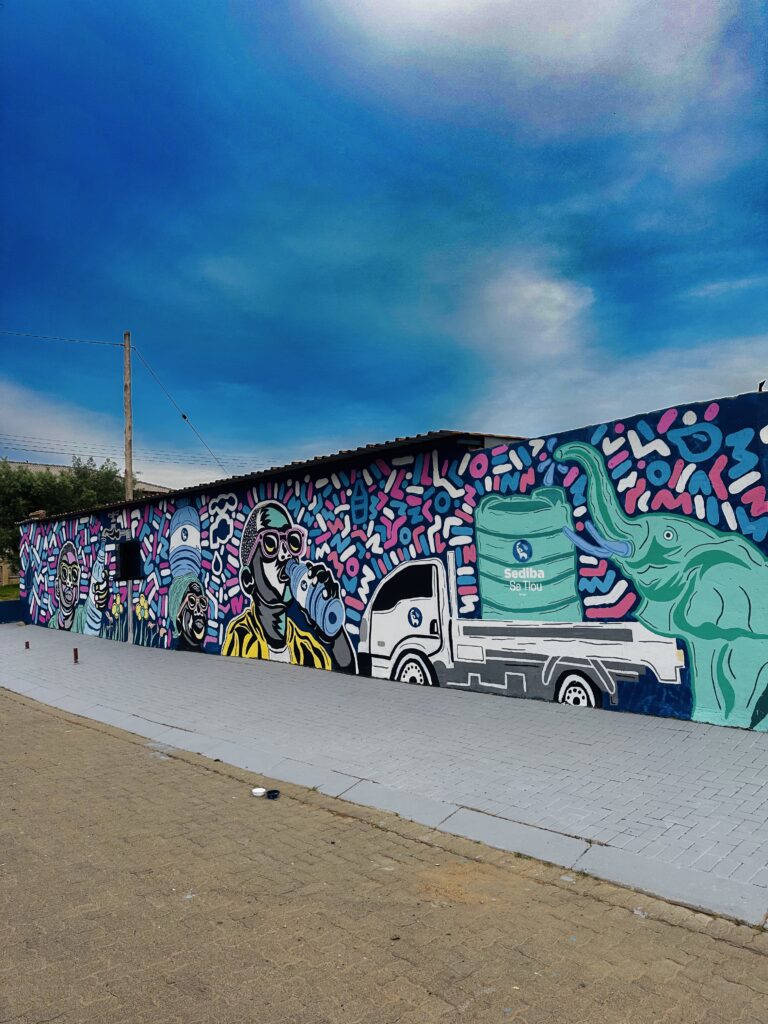
As brands look for more culturally grounded ways to connect with audiences, illustrators like Masilo are helping shape how visual stories are told. His work reflects a growing demand for perspectives rooted in lived experience and local culture.
Stay tuned to Between 10and5 for more in-depth interviews with young creatives shaping the future of South African design and visual culture.
* Check out Tshepo Masilo’s website to see more of his work.