


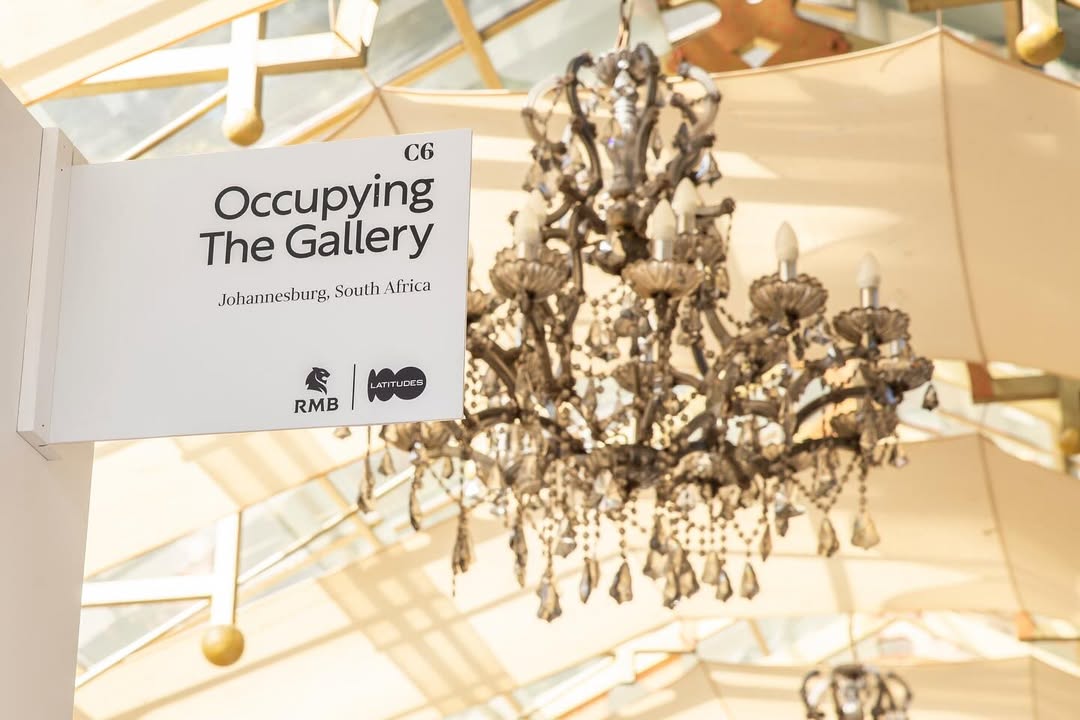

Between 10and5 spoke with the team behind Occupying the Gallery about how the initiative began, their approach to mentorship, and the role independent art spaces play within the broader ecosystem.
Independent artist-run spaces continue to play an important role in South Africa’s cultural ecosystem. Often operating outside traditional gallery structures, these initiatives create space for experimentation, mentorship, and collaboration while supporting artists at critical stages in their careers.
One such platform is Occupying the Gallery (OTG), founded by artists Mary Sibande and Lawrence Lemaoana, together with artist and curator Mosa Anita Kaiser. Through exhibitions, mentorship, and partnerships with galleries and cultural institutions, the initiative works with emerging artists as they develop their practices and build sustainable careers.
Rather than operating from a permanent venue, OTG functions through a mobile, project-based model, collaborating with different spaces and partners. Artists in the programme — referred to as Occupants — gain opportunities to present their work, connect with audiences, and expand their practices beyond traditional formats.
As conversations around artist-run spaces continue to shape South Africa’s contemporary art landscape, initiatives like Occupying the Gallery offer alternative ways for artists to build community and sustain their work.
10and5 spoke with the team behind Occupying the Gallery about how the initiative began, their approach to mentorship and more. Read the full interview here.
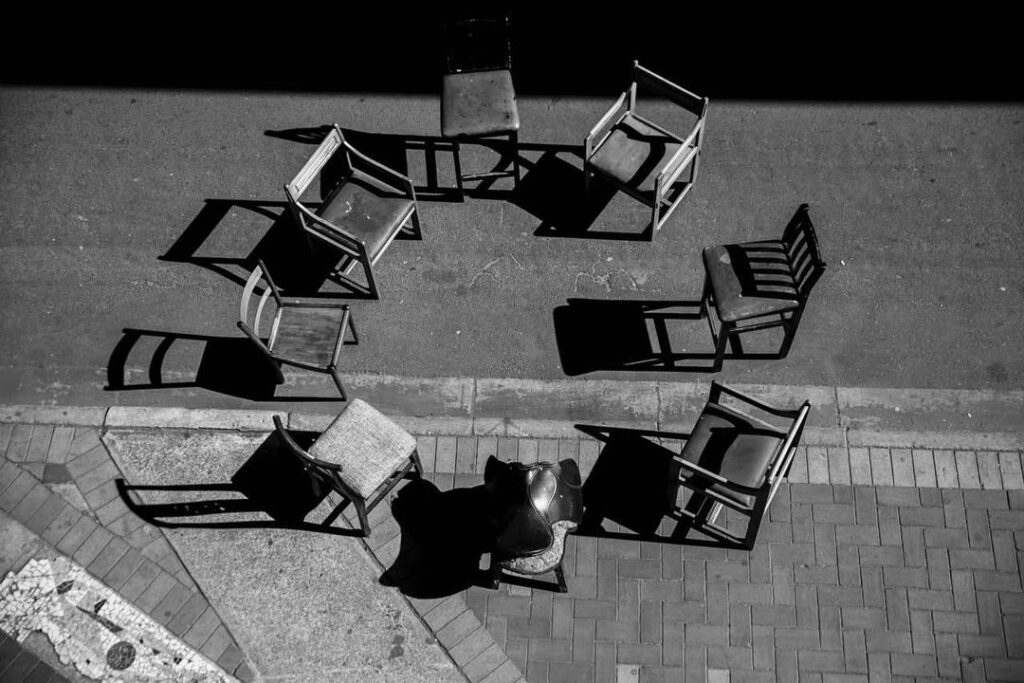
What led to the founding of Occupying the Gallery, and what gap were you hoping to address in the art ecosystem?
Occupying the Gallery really started quite organically. Co-founder Lawrence Lemaoana initially had the impulse to curate an exhibition of works by mentees he had inherited through various mentorship programmes he had participated in as a mentor, alongside his partner and fellow co-founder Mary Sibande. Over time, both Lawrence and Mary began to grow concerned about the longevity of their mentees’ careers and what happens to their bodies of work once those institutional mentorship programmes come to an end.
Often these programmes provide incredible support while they’re running, but once artists leave that structure, there’s a real risk that the momentum of their work can slow down or even disappear entirely. Lawrence and Mary had become deeply invested in many of these artists and their practices, so what started as a genuine desire to continue supporting those bodies of work gradually evolved into something bigger.
That impulse eventually grew into Occupying the Gallery: a platform rooted in organic mentorship, exhibition-making, and partnerships with galleries and cultural institutions. The gap we hoped to address was this moment of vulnerability that many independent artists face once they leave the scaffolding of institutional mentorship.
Too often, strong bodies of work lose momentum simply because artists lack the resources or institutional connections to sustain them.
It was in these initial stages that Mosa Anita Kaiser, artist and cultural worker, came on board as structural support and an intermediary in various nuanced relationships and formed a core part of the operations team. Lawrence and Mary were very aware of the networks and cultural capital they had built over many years as established artists. Occupying the Gallery became a way to leverage those connections and their visibility to uplift younger and emerging artists, helping them navigate the next stages of their careers.
How does your mobile or project-based model work, and why was this approach important to you?
Our model is essentially built around partnerships. We collaborate with active galleries, project spaces, or cultural institutions that are looking for innovative activations within their programmes. Instead of operating from a fixed location, we move between spaces and create projects wherever opportunities arise.
For us, it’s really important to remain flexible and malleable while maximizing the network and connections we’ve built over time. That flexibility allows our mentees, who we call Occupants, to be exposed to and plugged into as many different spaces, audiences, and professional contexts as possible.
Interestingly, the mobile model actually began out of necessity. As a young and under-resourced initiative ourselves, we didn’t have the luxury of a permanent home base. But what initially felt like a limitation turned into a bit of a happy accident. Over time we realised that mobility was actually a strength. It allows us to occupy different spaces, contexts, and conversations without being tied down to a single venue or structure.
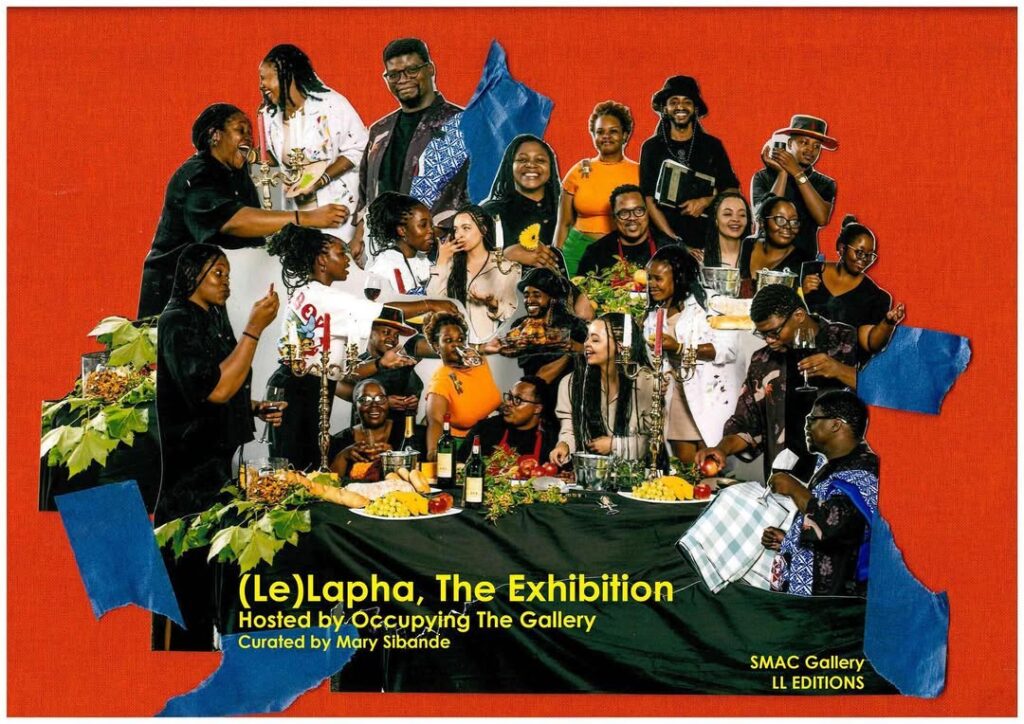
How do you select the artists you work with, and what kind of support do you offer beyond exhibition space?
The first group of Occupants naturally came from Lawrence and Mary’s relationships with artists they had worked with through various institutional mentorship programmes. In cases where there was a strong organic synergy between the mentor, the mentee, and the body of work itself, Mary and Lawrence often felt compelled to continue walking alongside those artists and their projects in order to see their ideas fully realised.
From that point onward, each new “occupation” has followed a similarly organic process. We tend to work with artists who are already in our orbit and who align with the energy and ethos of the Occupying the Gallery community.
Rather than working through open calls, we’ve maintained more of an open-door approach. Artists are welcome to approach us, and if we find that there’s a good fit, and if we have the capacity, resources, and programming space, we try to create opportunities together. We also like to see what each new occupant can bring to the collective be it in thinking, perspective or positionality.
Beyond providing exhibition opportunities, the biggest support we offer is community.
Being an artist can be incredibly isolating, so we try to create a network that counters that isolation. Within Occupying the Gallery there’s a sounding board, a support system, and a growing network of connections.
In many ways it functions like an incubator for thinking about what it actually means to live a life as an artist. Mary and Lawrence bring years of experience that go far beyond simply critiquing the work. Their mentorship often touches on the very human realities of sustaining a creative career, things that no rubric or institutional framework can really teach.
What impact have you seen the platform have on the artists you’ve worked with so far?
A big part of how we approach mentorship is by encouraging artists to expand their skill sets and push their practices into new territories. Many of Lawrence’s initial mentees came through The Market Photo Workshop, so they began with strong foundations in photography.
Through the mentorship process, we’ve seen several of these artists evolve into truly multidisciplinary practitioners. Photography often remains the research base of their work, but it begins to transform into installations, mixed media works, and more experimental forms.
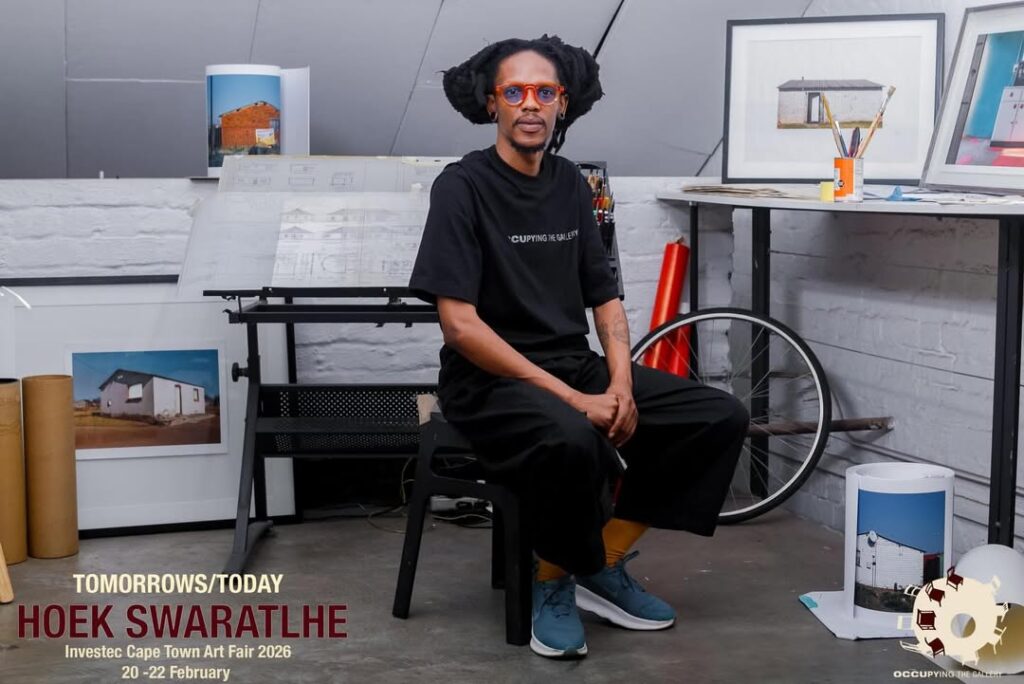
A great example of this is Occupant Hoek Swaratlhe. His body of work NE51 / This House is Not 4 Sale was recently presented in a solo booth in the Tomorrows/Today section of the 2026 Investec Cape Town Art Fair. That moment really illustrated how the expansion of his skill set also translated into the expansion of his professional trajectory.
It was Hoek’s first time presenting at an art fair, and he handled it with top professionalism. Art fairs are chaotic, high-pressure environments that demand quick thinking and intense time management, and he navigated that beautifully. For us, mentorship isn’t only about developing the art itself, it’s also about developing the life skills required to steward that art and sustain a career around it.
What does participating in the Investec Cape Town Art Fair mean for Occupying the Gallery?
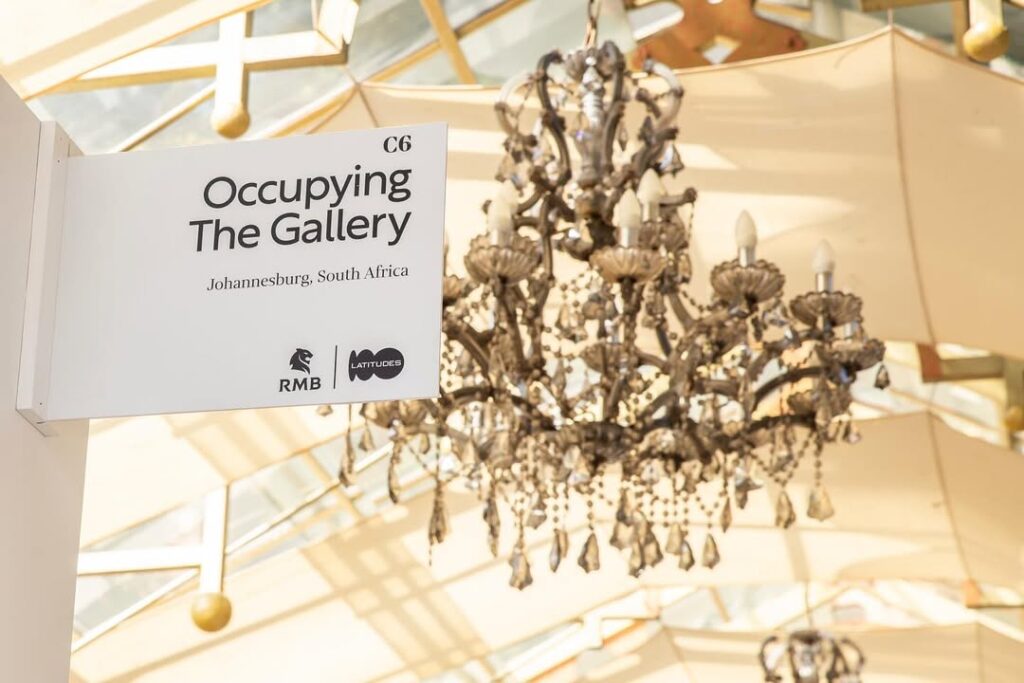
As a Johannesburg-based project space, we were really excited about the opportunity to expand our network in Cape Town, as well as connect with the many international visitors who frequent the fair.
We were particularly happy to be included in the Tomorrows/Today section, which focuses on solo presentations by emerging artists. Being able to curate Hoek Swaratlhe’s solo presentation within that context felt very special. It was rewarding to see one of our Occupants presented alongside his contemporaries from both South Africa and abroad.
Another important aspect of Occupying the Gallery is that we see the art experience as extending beyond just the booth or the fair itself. For us, it was also meaningful to travel as a team to Cape Town and engage with the city outside of the convention centre walls. Art fairs can be incredibly stressful and high-pressure environments, so being there together as a collective allowed us to lean on one another and grow together. Spaces like that really test and activate community in a very real way.
Why did you choose to present Hoek Swaratlhe and the collaboration with Thesis at the fair?
Hoek Swaratlhe has been with Occupying the Gallery from the very beginning. He was one of our first Occupants when the collective initially formed, and his work has been nurtured within the mentorship structure and the broader network of the collective for several years.
His solo presentation at the fair, our first ever solo booth as Occupying the Gallery, felt like a kind of graduation moment. It was an opportunity to usher him into a new level of independence and visibility, allowing him to step into spaces that extend beyond the collective itself.
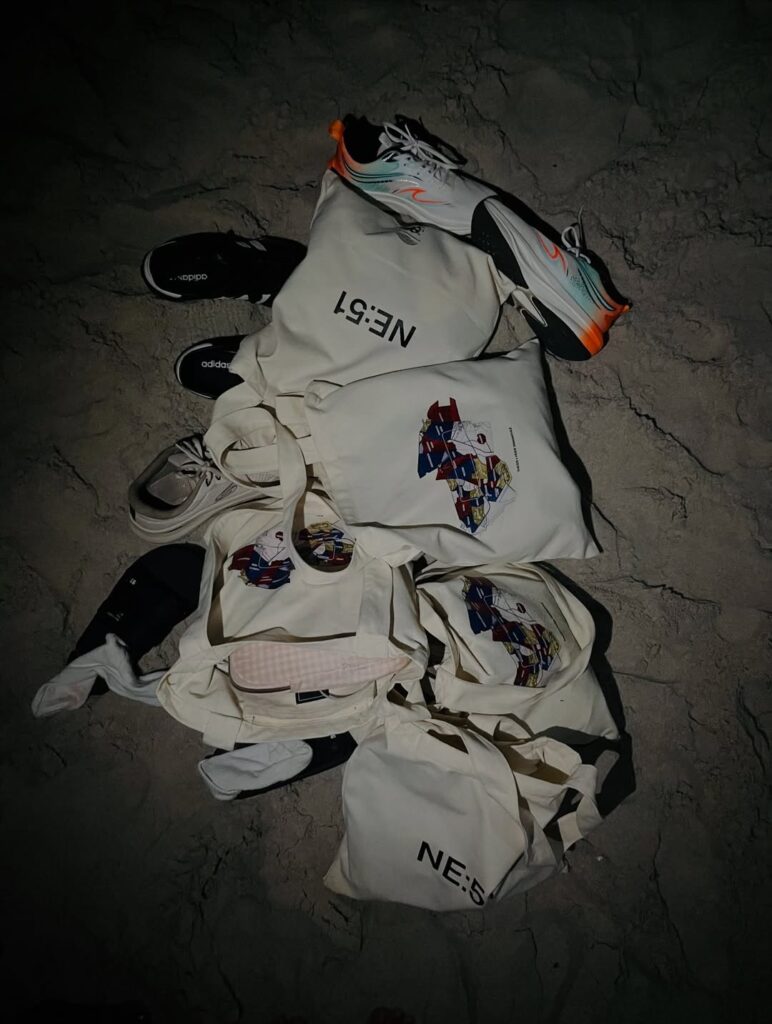
The collaboration with Thesis Lifestyle was really the cherry on top. Through our networks we were able to form a partnership with the brand, who designed T-shirts and tote bags inspired by Hoek’s artworks. The collaboration felt incredibly organic. Thesis is a proudly Soweto-based brand, and Hoek’s body of work speaks very intimately to the socio-political atmosphere of Soweto.
Partnering with a clothing and lifestyle brand was also a way to allow the work to live beyond the gallery space and enter everyday culture. Not everyone has access to buying artworks, but almost everyone wears a T-shirt. It becomes another way for the ideas within the work to circulate and remain alive in the world.
What roles do independent, artist-run spaces play in South Africa’s art ecosystem right now?
With great bias, we’ll say that artist-run spaces are refreshingly shaking up South Africa’s art ecosystem.
It’s no secret that many artists are becoming increasingly discontent with the normalization of certain unsavoury practices within parts of the commercial gallery system. At the same time, some galleries themselves seem to be craving innovation and fresh perspectives outside of their usual structures.
That’s where initiatives like Occupying the Gallery come in. We’re not a gallery, but we’re very happy to be friends with galleries. Our intention is not to compete with or replace them, but rather to collaborate and participate alongside them.
We’re not a gallery, but we’re very happy to be friends with galleries.
Our team is also unique in their perspectives and background as Mary Sibande has been positioned throughout her whole career as an artist working with and represented by various galleries, she has a grounded perspective on what works and what does not work and what is not sustainable when it comes to being on the receiving end of gallery and institutional support.
Mosa Anita Kaiser brings perspective and experiences of working within galleries and cultural institutions as well as being an emerging artist. Her in-depth understanding of how the “gallery machine” works allows her to troubleshoot its structures with a pragmatic approach that is also sympathetic to the lived realities of young artists.
Lawrence Lemaoana’s background and active position in academia uniquely equipments him with a wealth of knowledge, research and references that allow him to deepen occupants perspective and thought, equipping them to make stronger connections between concept and articulation.
In some ways we function as a kind of bridge or intermediary, helping connect artists, institutions, and audiences in ways that feel more grounded, experimental, and less contrived.
What challenges do spaces like yours face?
Like many small start-ups and non-profit organisations, some of our biggest challenges are financial sustainability, access to resources, and organisational capacity.
Most of our projects rely on grants, donor funding, and partnerships with other organisations. While those structures make a lot of our work possible, they also mean that we’re constantly navigating the realities of limited resources.
That being said, where we lack in capacity, we more than make up for it with enthusiasm, commitment, and the strength of our community.
What’s next for Occupying the Gallery in 2026?
Given how organically we tend to operate, that question is honestly a bit of a mystery to us to.
We’ve never been overly rigid with long-term planning. Instead, we try to remain open and responsive to the opportunities, collaborations, and conversations that naturally come our way.
So the honest answer is: we don’t fully know yet. We tend to move with the flow of what feels right and what aligns with the energy of the collective. And historically, that openness has led us to some of our most exciting projects.
As South Africa’s art ecosystem continues to shift, artist-run initiatives are becoming increasingly important spaces for experimentation, mentorship, and community. Platforms like Occupying the Gallery offer emerging artists the support structures that often fall away once formal programmes end, helping them sustain both their practices and their confidence within the industry.
In doing so, they are not only supporting individual artists, but also expanding the ways contemporary art can be produced, shared, and experienced. And as more artist-led initiatives emerge across the country, their role in shaping the future of South Africa’s art landscape is becoming harder to ignore.